Last updated:
What You Need to Know About an Arlington Heights Electrical Permit
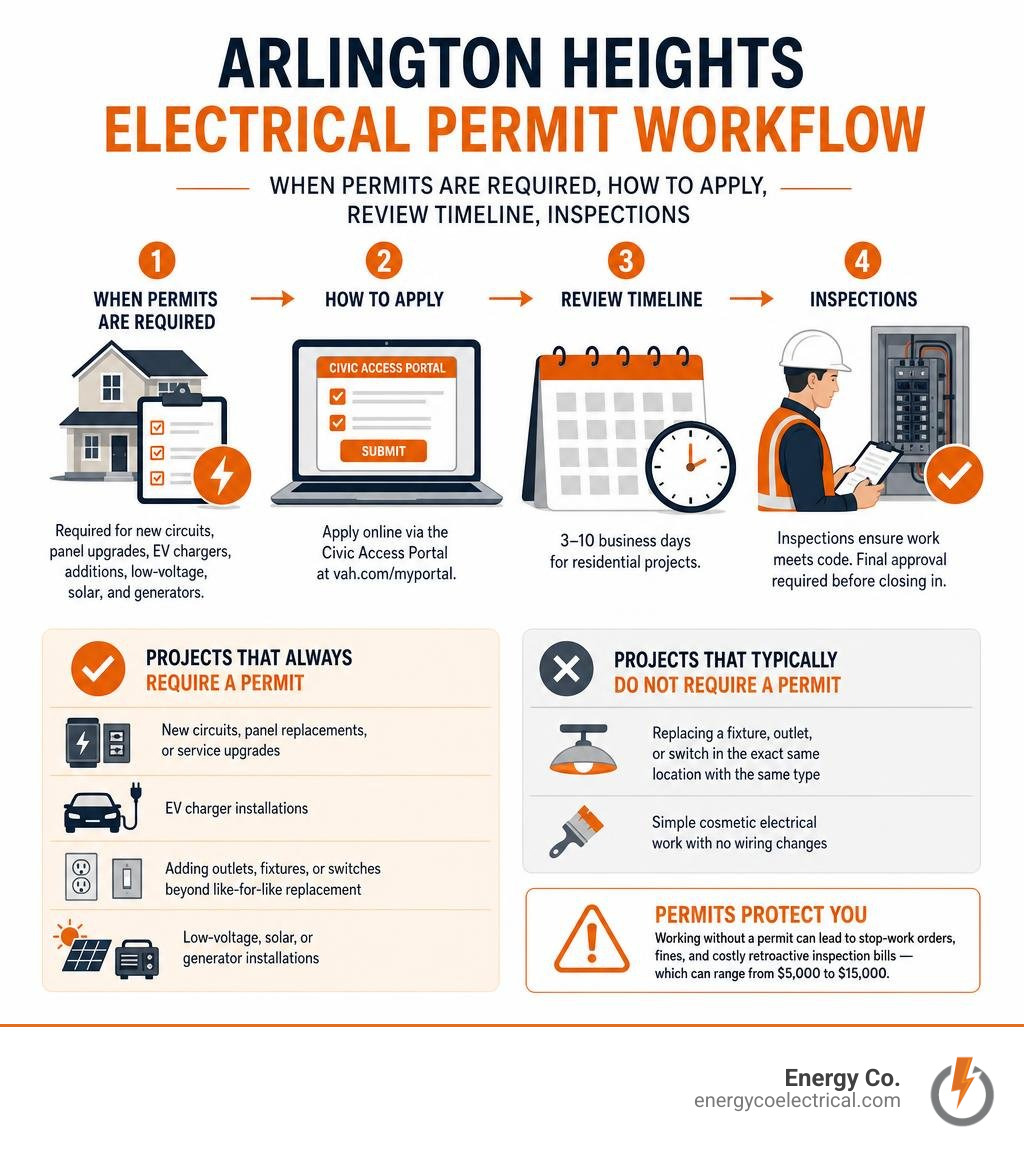
Getting an Arlington Heights electrical permit is required before starting most electrical projects in the village. Here’s a quick summary:
| Question | Answer |
|---|---|
| Who issues the permit? | Village of Arlington Heights, Building & Life Safety Department |
| Who can apply? | Licensed Illinois electrician, or homeowner (with Homeowner as General Contractor form) |
| How do you apply? | Online via the Civic Access Portal at vah.com/myportal |
| How long does review take? | 3–10 business days for residential projects |
| How much does it cost? | Typically $75–$400 depending on project scope |
| How long is the permit valid? | One year from issuance; work must start within six months |
Projects that always require a permit:
- New circuits, panel replacements, or service upgrades
- EV charger installations
- Adding outlets, fixtures, or switches beyond like-for-like replacement
- Low-voltage, solar, or generator installations
Projects that typically do NOT require a permit:
- Replacing a fixture, outlet, or switch in the exact same location with the same type
- Simple cosmetic electrical work with no wiring changes
Here’s the reality most Arlington Heights homeowners don’t expect: even a straightforward bathroom fan or extra outlet can trigger a permit requirement. Skip the permit and you risk stop-work orders, fines, and a costly retroactive inspection bill — one that can run $5,000 to $15,000 if it surfaces during a home sale.
The Village of Arlington Heights enforces the NEC 2020 electrical code along with local amendments, and it takes compliance seriously. Whether you’re upgrading an aging panel in a 1970s-era home, installing an EV charger, or rewiring after storm damage, understanding the permit process upfront saves you time, money, and stress.
I’m Michał Napieralski from Energy Co., a licensed electrician serving the Chicago suburbs with hands-on experience navigating the Arlington Heights electrical permit process for both residential and commercial projects. In this guide, I’ll walk you through exactly what’s required — step by step.
When Do You Need an Arlington Heights Electrical Permit?
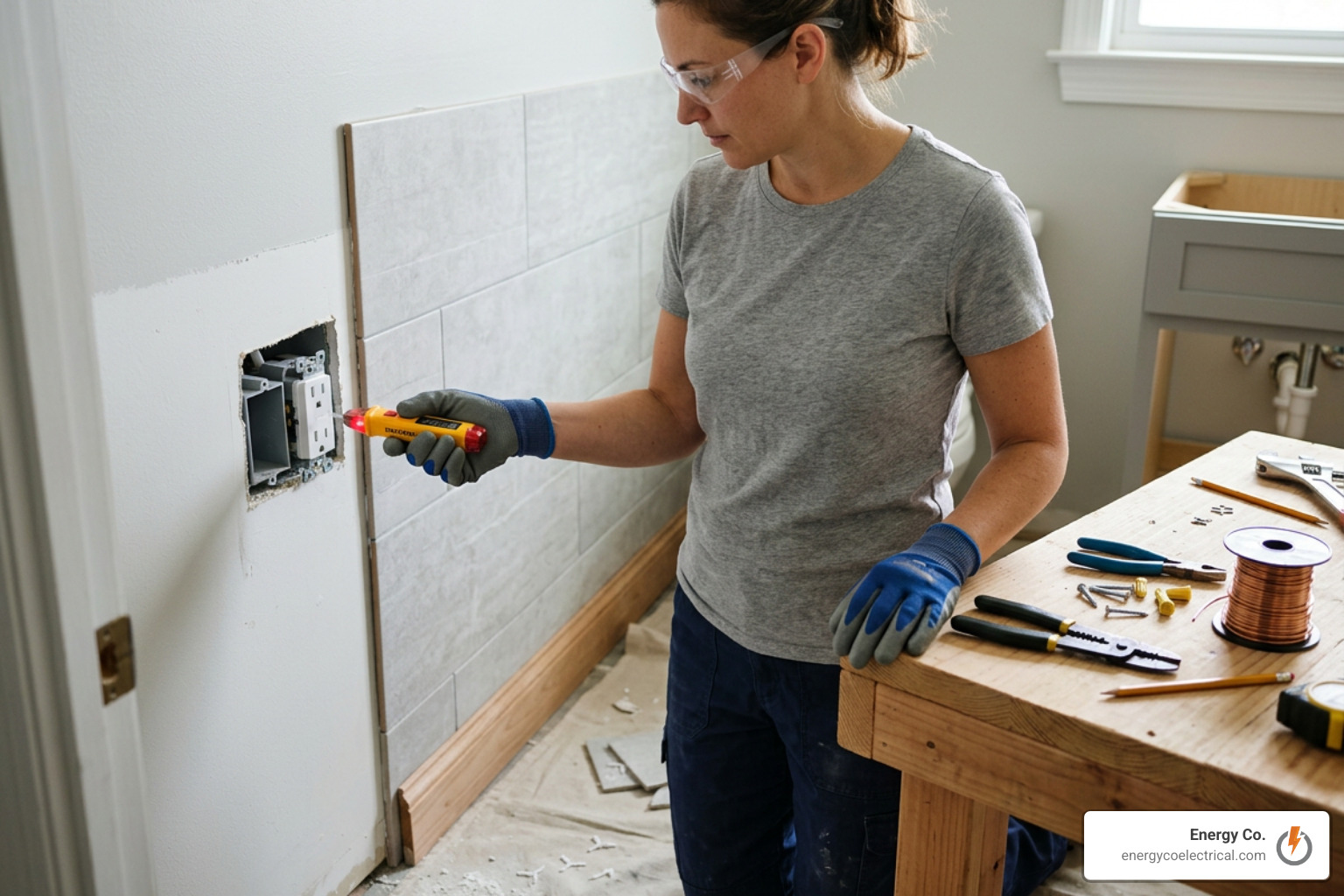
In Arlington Heights, the line between minor DIY tasks and projects requiring a permit is clearly defined. The main rule of thumb is safety: if you are adding new wiring, running new circuits, or altering the capacity of your electrical system, you need a permit.
According to the local building guidelines, which you can explore further in the Complete Guide to Building Permits in Arlington Heights, IL, permits exist to protect your home’s safety and maintain its resale value.
Cosmetic Exemptions vs. Code Requirements
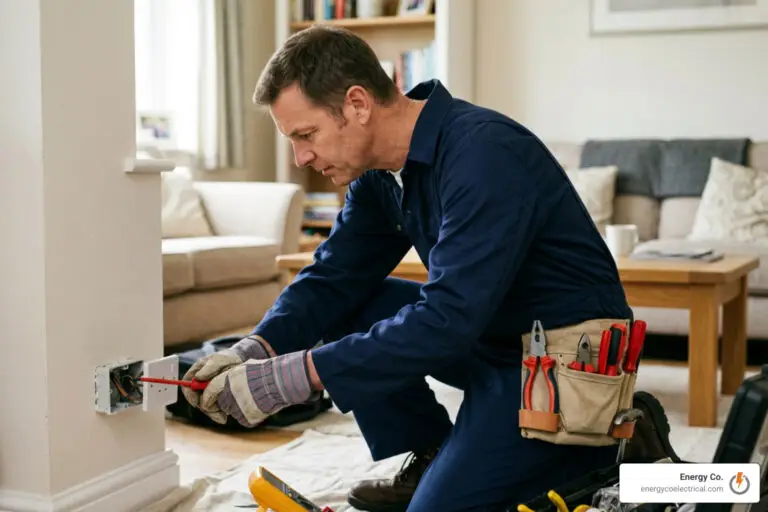
You do not need a permit for “like-for-like” replacements. This means if you are swapping out an old, ugly light fixture in your dining room for a modern chandelier, or replacing a cracked outlet cover in the kitchen with a fresh one, you are in the clear. The wiring footprint remains unchanged.
However, if you decide to add stunning exterior lighting to boost your home’s aesthetic, you’ll want to review the Arlington Heights Outdoor Lighting Guide for Stunning Curb Appeal to see how running new outdoor conduits and trenching fits into the village’s strict safety standards.
Here is a quick look at how common electrical projects are categorized:
Permit Required:
- Installing a new electrical panel or upgrading service (e.g., 100-amp to 200-amp).
- Running any new dedicated circuits (such as for a microwave, hot tub, sump pump, or heated bathroom floors).
- Installing a Level 2 electric vehicle (EV) charger.
- Adding a standby generator or residential solar panel system.
- Installing a pool pump and executing the mandatory electrical bonding.
- Running low-voltage wiring for security systems, controls, or voice/data cabling.
Permit Exempt:
- Replacing an existing light fixture or ceiling fan in the exact same junction box.
- Replacing an existing outlet or light switch with a matching unit in the same wall box.
- Swapping out non-gas/oil appliances in the same location without moving the physical electrical connections.
Skipping these requirements can lead to major headaches down the road. Unpermitted bathroom or kitchen remodels frequently cost homeowners between $5,000 and $15,000 to resolve during a home sale because buyers’ inspectors notice the work, forcing retroactive permitting and the demolition of finished drywall to show inspectors the rough-in wiring.
How to Apply: Who Can Pull a Permit and Required Documents
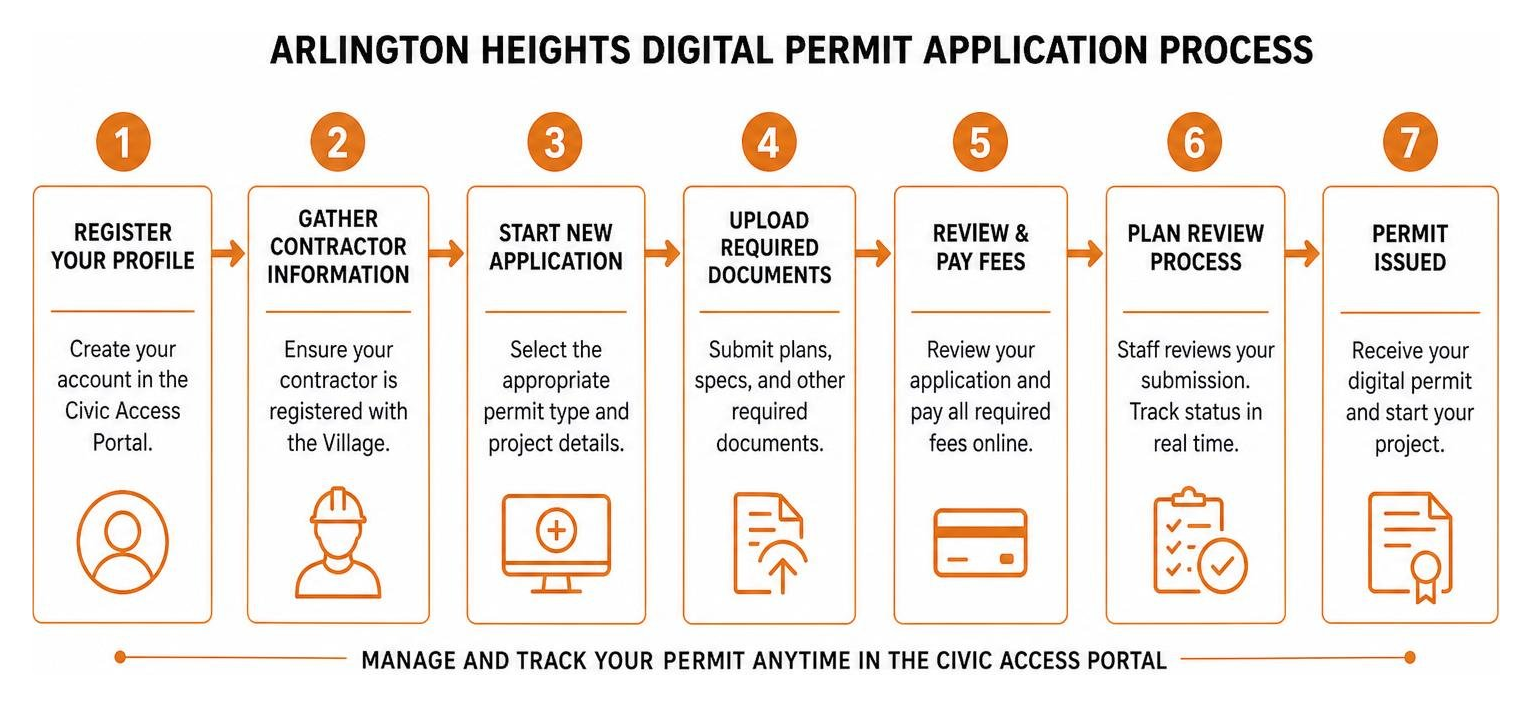
Arlington Heights has modernized its entire permitting process. All initial building and electrical permit submittals must be processed digitally through the Village’s Civic Access Portal. This eliminates the need to drive down to the Village Hall for every minor paperwork submission, allowing you to track your application status in real-time.
Step-by-Step Guide to the Arlington Heights Electrical Permit Application
To complete your permit application smoothly, follow these straightforward steps:
- Register Your Profile: Head over to the Civic Access Portal at Welcome to Arlington Heights, IL and set up your user account.
- Gather Contractor Information: If you are hiring a professional, they must be registered with the Village of Arlington Heights. The village maintains a mandatory contractor registration program, which ensures only licensed, bonded, and insured professionals work within municipal limits.
- Submit Your Documents: Upload your completed Electrical Permit Application form along with your single-line diagrams, load calculations, and a copy of the electrician’s registration.
- Allow for Review: The Building & Life Safety Department typically takes 10 working days for initial plan reviews. If they request revisions, each subsequent review cycle can take an additional 10 working days.
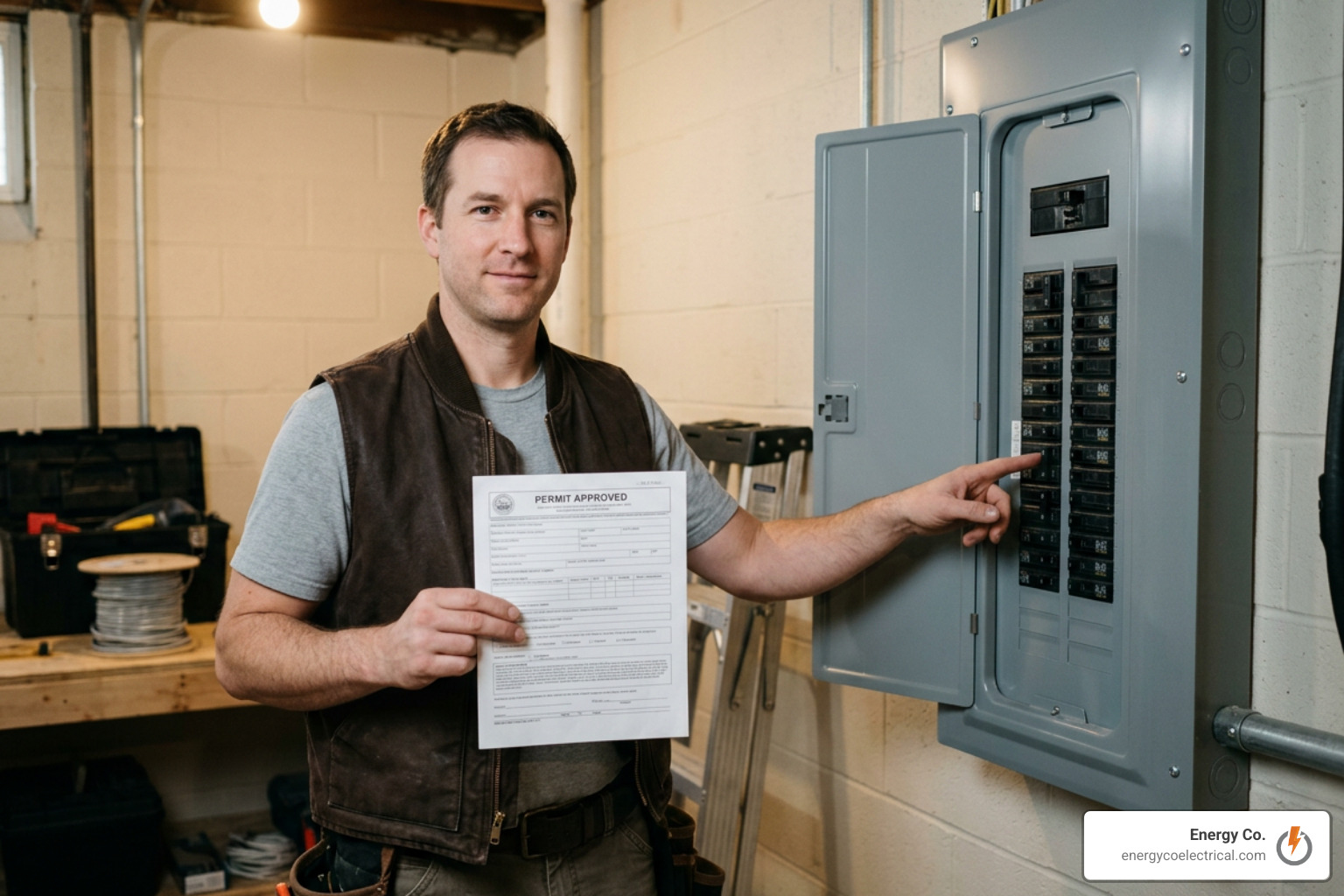
- Pay and Print: Once approved, you will receive a notification. While tracking is digital, payments cannot be made online at this time. You will pay the calculated fee upon picking up the physical permit packet. You must print your permit placard (minimum size 11 in. x 17 in.) and post it clearly on-site before starting work.
Required Documents for Your Arlington Heights Electrical Permit
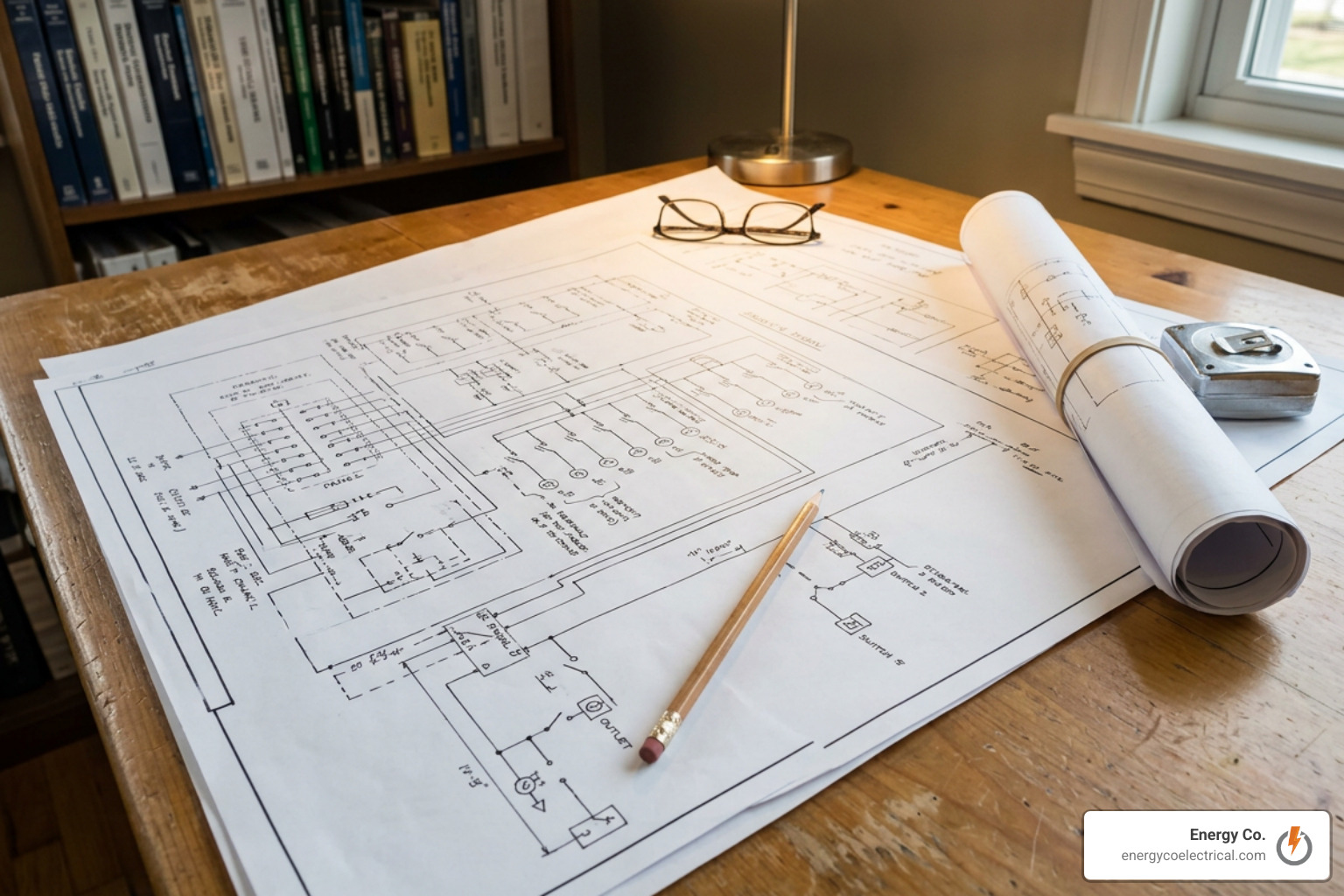
The Village of Arlington Heights requires specific technical documents to ensure your project complies with the NEC 2020 code. Hand-drawn sketches on napkins will not pass the initial completeness check! You will need:
- The Electrical Permit Application Form: Fully completed with the exact scope of work and list of electrical apparatuses.
- A Contractor List Form: If your project is part of a larger remodel involving multiple trades.
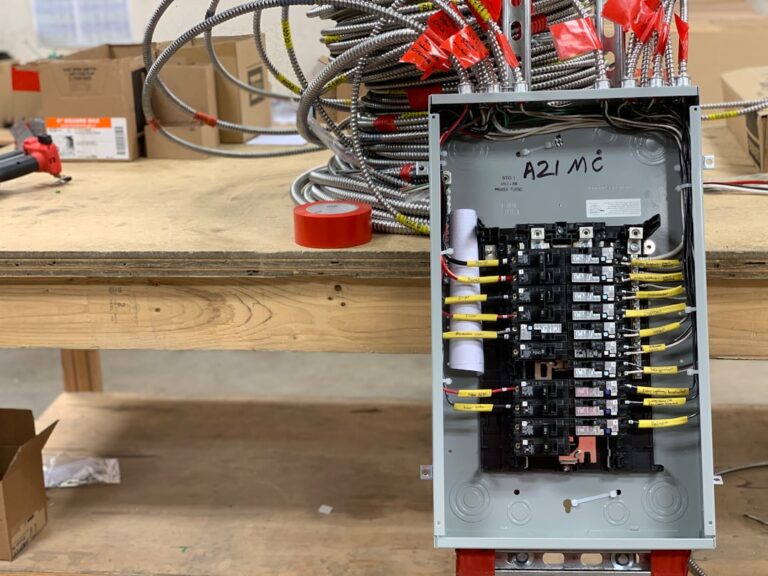
- Single-Line Diagram: A schematic showing how the new panels, subpanels, or circuits connect to the main service, including wire sizes and conduit types.
- Load Calculations: Required for panel upgrades, subpanels, and EV chargers to prove your existing electrical service can handle the new load.
- Manufacturer Cut Sheets: Standard specifications for heavy equipment like standby generators, solar inverters, or EV chargers.
- Acknowledgment Forms: The village requires specific acknowledgment forms for panel upgrades (100 AMP, 200 AMP, or 400 AMP) and impact protection guidelines for energy storage systems.
Panel Upgrades, EV Chargers, and Local Code Requirements
Because many homes in Arlington Heights were built during the mid-century construction boom of the 1970s, their electrical systems are often outdated. These older panels were designed for an era before smart appliances, high-draw HVAC systems, and electric cars. For a deeper dive into how regional homes handle modern upgrades, take a look at The Ultimate 2026 Guide to Spring Electrical Maintenance and Upgrades for Schaumburg Homeowners, which shares valuable insights on local Chicagoland grid demands.
The village enforces the National Electrical Code (NEC 2020) with specific local amendments. These amendments introduce unique requirements that can catch DIYers and out-of-town contractors off guard. You can read the specific municipal details in the Electrical Work Permit Guide in Arlington Heights, IL (2026).
Two major code hurdles often arise during residential remodels and panel swaps:
- AFCI Breaker Mandates: Under NEC 2020 Article 210.12, when you replace or upgrade an electrical panel, you must upgrade the modified branch circuits to Arc-Fault Circuit Interrupter (AFCI) protection. Retrofitting an entire older home with AFCI breakers can add $800 to $2,000 to the cost of a panel swap, but it is a critical fire-prevention measure.
- CSST Gas Line Bonding: If your home utilizes Corrugated Stainless Steel Tubing (CSST) for gas lines, local code requires it to be bonded to the electrical grounding system (NEC 250.104). If this was skipped during the original installation, retrofitting this bond during a panel upgrade typically costs $300 to $600.
Specific Requirements for Panel Upgrades (100, 200, and 400 Amp)
When upgrading your home’s main panel, your project requires close coordination with ComEd (the local utility provider) and the village inspectors.
| Panel Size | Typical Use Case | Key Arlington Heights Requirements | Utility Coordination |
|---|---|---|---|
| 100 Amp | Small homes, condos, or basic gas-heated ranches. | Requires 100A Acknowledgment Form; working clearance of 30″ W x 36″ D in front of the panel. | Standard service; rarely requires utility line upgrades. |
| 200 Amp | Standard family homes with central AC, electric dryers, or basic EV chargers. | Requires 200A Acknowledgment Form; strict adherence to grounding electrode conductor sizing. | ComEd must schedule a meter pull; service drop lines may need upgrading. |
| 400 Amp | Large custom homes, multi-system HVAC, heated pools, or dual EV chargers. | Requires 400A Acknowledgment Form; full load calculations and single-line diagrams mandatory. | Extensive ComEd coordination; potential transformer upgrades on the street. |
Because ComEd requires a village-approved final inspection certificate before they will permanently re-energize your service, we always recommend scheduling your meter pull and service coordination 5 to 7 business days in advance.
EV Charger Installations and NEC 2020 Compliance
Installing a Level 2 EV charging station in your garage is one of the most common reasons homeowners seek an Arlington Heights electrical permit.
Under NEC Article 625, EV chargers are classified as continuous loads. This means the branch circuit and overcurrent protection must be sized at 125% of the charger’s maximum current output. For example, a 48-amp charger requires a dedicated 60-amp circuit breaker and heavy-duty wiring.
Additionally, the village requires physical impact protection (such as bollards or strategic wall placement) if the charger or its cord is positioned where it could be struck by a vehicle.
Frequently Asked Questions about Arlington Heights Electrical Permits
Navigating local building codes can feel overwhelming. Here are clear answers to the questions we hear most often from Arlington Heights residents.
Can I do my own electrical work as a homeowner in Arlington Heights?
Yes, but with strict conditions. A homeowner can pull an electrical permit for work on their own owner-occupied, single-family residence. To do this, you must complete and submit the “Homeowner as General Contractor” form.
However, you will be held to the exact same NEC 2020 standards as a licensed contractor. If your work fails to pass the rough-in or final inspections, you must correct it, which may require hiring a professional anyway. Homeowners are not allowed to pull permits for commercial properties, rental units, or multi-family dwellings.
What are the penalties for performing electrical work without a permit?
If the village discovers unpermitted work in progress, they will issue a Stop-Work Order immediately. To resume, you must apply for a permit, pay double the standard permit fees as a penalty, and potentially pay failed inspection or re-inspection fees ranging from $75 to $250.
Furthermore, if unpermitted work causes an electrical fire, your homeowner’s insurance policy may completely void your coverage, leaving you personally liable for the damages.
How long is an electrical permit valid in Arlington Heights?
Once issued, an Arlington Heights electrical permit is valid for one year. However, substantial construction work must begin within six months of the issuance date, or the permit will automatically expire. If your project experiences unexpected delays, you can submit a written extension request to the Building & Life Safety Department before the expiration date to secure an additional 180 days.
Conclusion
Securing an Arlington Heights electrical permit might seem like an extra chore, but it is the ultimate safeguard for your home, your family, and your financial investment. From digital portal submission to passing the final ComEd meter inspection, staying compliant ensures your electrical system operates safely for decades to come.
At Energy Co., we bring licensed, professional expertise and deep familiarity with Cook County municipal codes to every single job. Whether you need a quick panel upgrade, a seamless EV charger installation, or emergency repairs, we handle the permitting paperwork, coordinate with ComEd, and back our work with our signature satisfaction guarantee.
Ready to power up your next project safely and legally? Explore our Energy Co. Residential Electrical Services or Contact Us today to schedule a consultation with our local experts!