Introduction
Electrical safety is a paramount concern for any resident in the Chicagoland area. Our local architecture ranges from historic bungalows in Chicago to modern builds in Schaumburg and Hoffman Estates. Each of these homes has unique electrical needs, but they all share one thing in common: the need for a safe, functioning electrical system. Understanding the boundaries of DIY work is the first step in protecting your property.
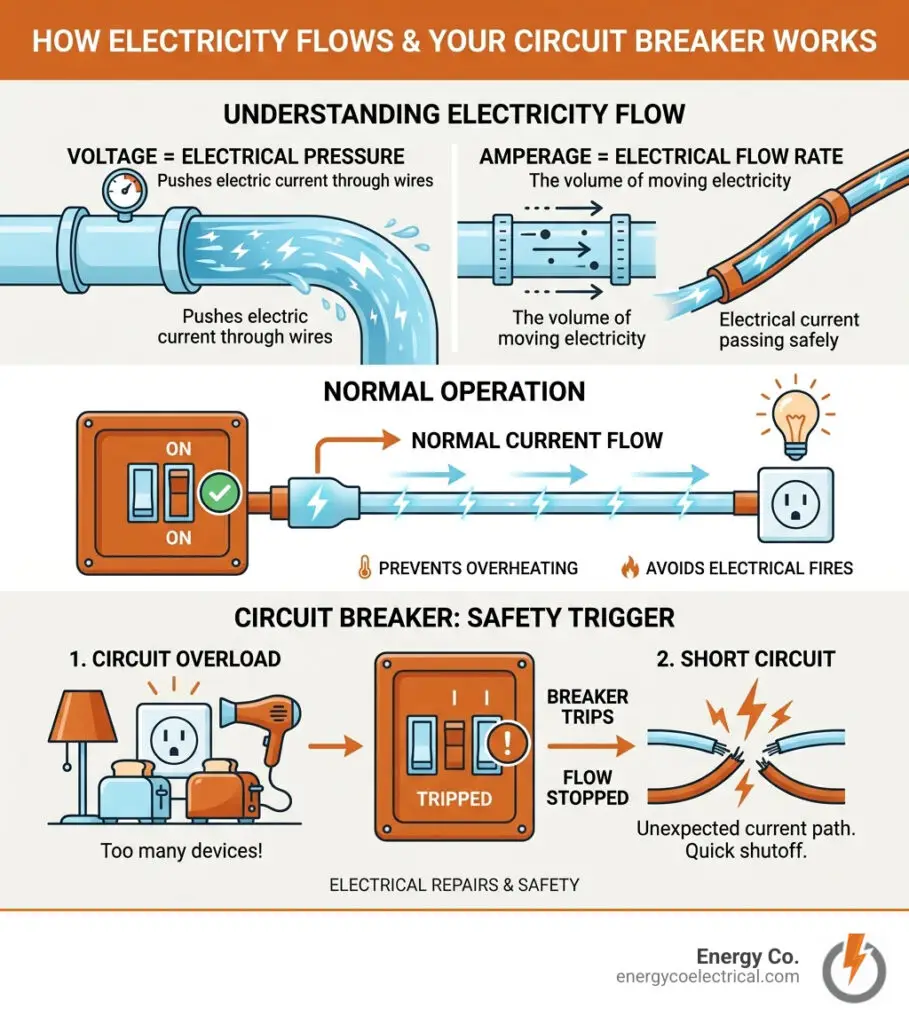
Electricity functions much like plumbing. Voltage is the “pressure” pushing the energy through your wires, while Amperage (amps) is the “flow rate.” When that flow is obstructed or overloaded, your system responds by tripping a breaker to prevent a fire. Knowing how to manage this flow is the key to mastering basic electrical repairs.
Recognizing the Warning Signs for Electrical Repairs
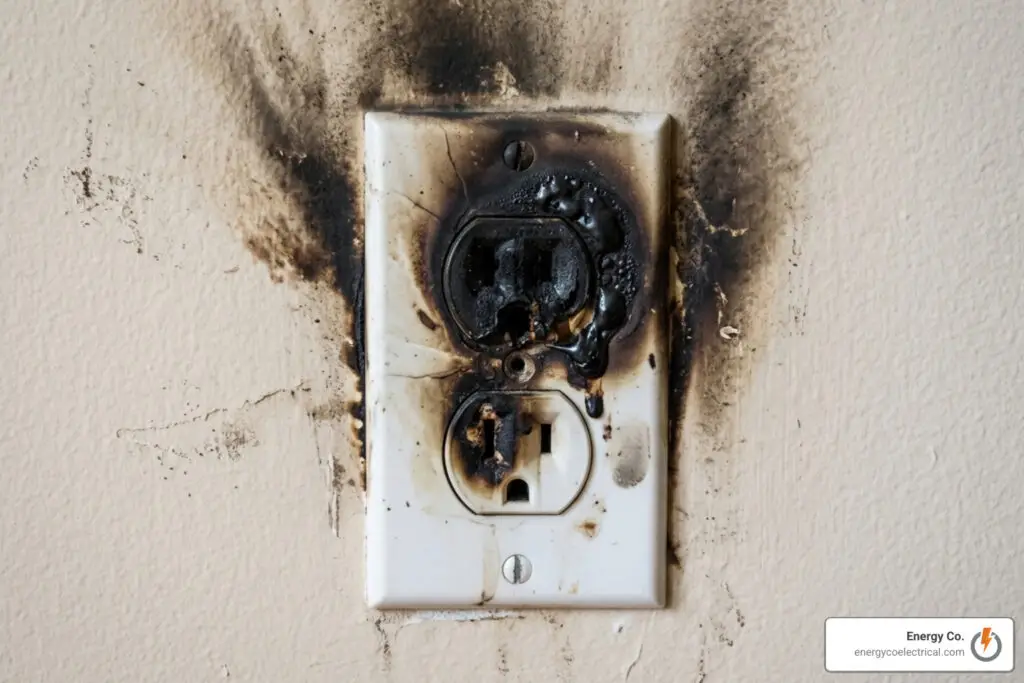
In our years of providing Residential Electrical Services, we have found that electrical systems almost always try to tell you something is wrong before they fail completely. Ignoring these signs is how minor fixes turn into Emergency Electrical Services calls.
- Flickering Lights: If your lights dim when the microwave or vacuum starts, your circuits may be overloaded. This is a sign that your home’s electrical “traffic” is too heavy for the current “lanes.”
- Burning Smells: An acrid, plastic-like odor near an outlet or the panel is a major red flag. This indicates that wires are melting due to excessive heat or arcing.
- Buzzing Sounds: Electricity should be silent. A buzzing or humming noise from a switch or outlet often means there is a loose connection or a failing component vibrating under the load.
- Warm Switch Plates: If an outlet or switch plate feels warm to the touch, it indicates a dangerous buildup of heat behind the wall.
- Sparking Outlets: While a tiny blue spark when plugging something in can occasionally be normal, frequent or large sparks suggest a short circuit or worn-out contact points.
The Beginner’s Guide to Safe DIY Fixes
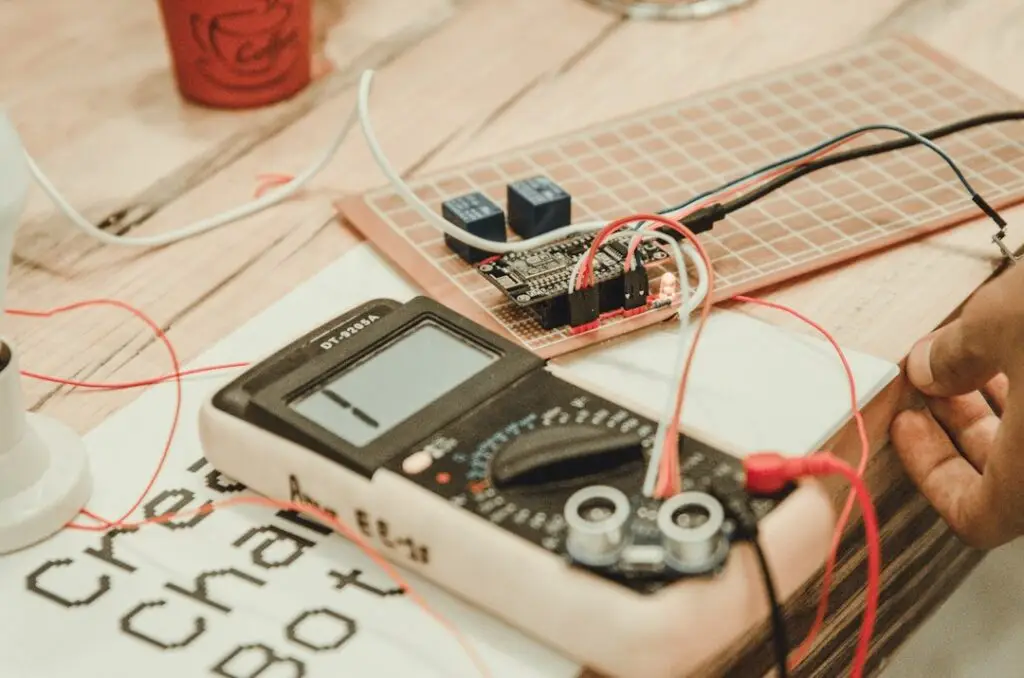
We believe in empowering homeowners to handle minor maintenance, provided they follow strict safety protocols. Before you even touch a screwdriver, you must have a digital multimeter or a non-contact voltage tester. These tools are your best friends for Electrical Repairs and Maintenance.
When performing Residential Electrical Services on your own, such as replacing a standard outlet, always respect circuit capacities. A standard 15-amp circuit can handle up to 1,800 watts, but for safety, you should never load it past 1,440 watts (the 80% rule). Similarly, a 20-amp circuit, common in kitchens and laundries, tops out at 2,400 watts (keep it under 1,920 watts).
Safe DIY Tasks:
- Replacing a Light Switch: If a switch feels “mushy” or doesn’t consistently turn the light on, it’s a simple swap. Just ensure the power is off at the breaker first.
- Swapping an Outlet: If your plugs are falling out of the wall because the outlet is worn, replacing it with a new, properly grounded unit is a great beginner project.
- Replacing a Light Fixture: As long as the mounting bracket is secure and you match the wire colors (Black to Black, White to White, Green to Ground), this is a manageable task.
Troubleshooting and Resetting a Tripped Circuit Breaker
The most common “repair” isn’t really a repair at all—it’s a reset. When a breaker trips, it’s doing its job to prevent a fire.
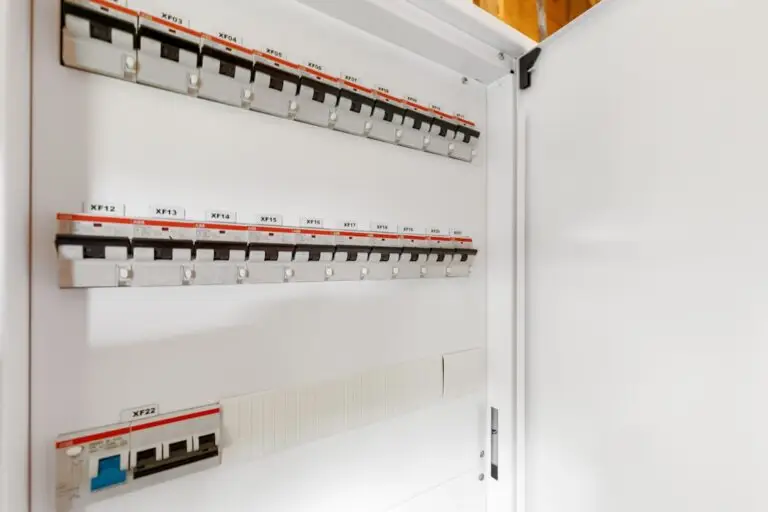
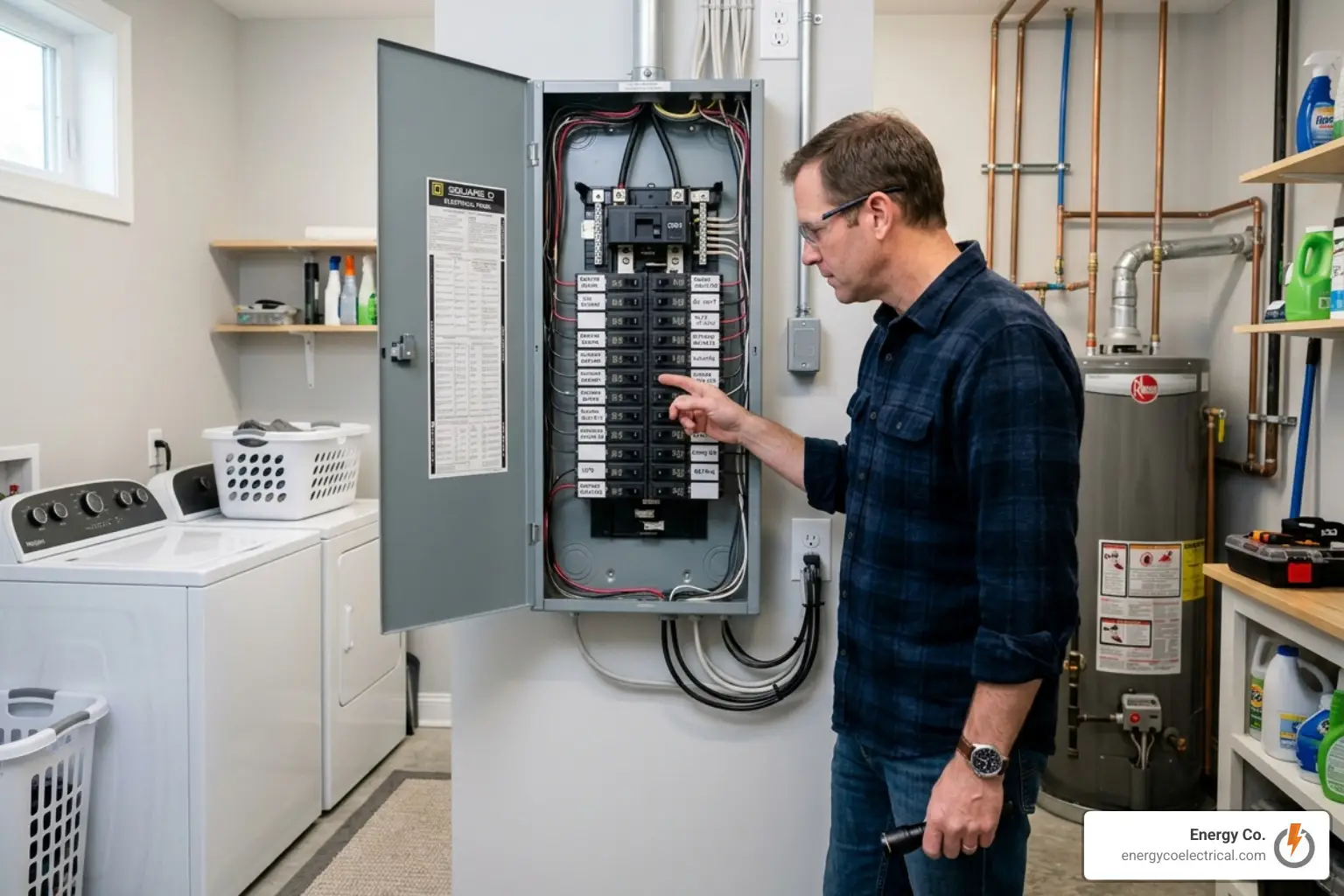
- Check the Panel Directory: Every panel should have a directory on the door. Find the breaker that has moved to the “middle” or “off” position.
- Load Reduction: Before flipping it back, think about what was running. Did the toaster and the space heater just start at the same time? Unplug them first.
- The Reset Procedure: To reset a breaker, you must push it firmly to the “OFF” position until you hear a click, then flip it back to “ON.”
- Persistent Trips: If the breaker trips again immediately, do not force it. This indicates a “hard short” or a faulty breaker that requires Circuit Breaker Repair.
When DIY Electrical Repairs Become Dangerous
There is a point where “handy” becomes “hazardous.” In the Chicagoland area, many homes built between 1960 and 1970 contain aluminum wiring. This material expands and contracts more than copper, leading to loose connections and fire risks as it ages. Attempting to “fix” aluminum wiring with standard copper connectors can actually cause a fire due to oxidation.
Other “No-Go” zones for beginners include:
- The Main Service Panel: This is where the high-voltage power enters your home. One slip can lead to fatal electrocution.
- Code Violations: Chicago has specific, stringent building codes. Work done without a permit or by an unlicensed individual can void your homeowner’s insurance and complicate future home sales.
- Shock Hazards: Any work involving water (sump pumps, hot tubs, or outdoor lighting) carries a much higher risk of lethal shock.
If your panel is outdated or crowded, it’s time to consider an Electrical Panel Upgrade rather than trying to squeeze in more DIY circuits.
Why Professional Expertise is Essential for Your Home
Hiring licensed professionals isn’t just about getting the lights back on; it’s about liability and longevity. When we perform Commercial Wiring or Industrial Electrical Services, we adhere to the latest National Electrical Code (NEC) and local Chicago amendments.
A professional electrician brings:
- Advanced Diagnostics: We use thermal imaging and circuit analyzers to find “hidden” problems behind your walls before they become fires.
- Insurance Protection: If an unlicensed person performs work and your house burns down, your insurance company may deny the claim.
- Permit Management: We handle the paperwork with the city or suburb (like Elk Grove Village or Mount Prospect) to ensure everything is legal.
The Real Cost of Common Electrical Repairs in April 2026
In 2026, pricing for electrical repairs reflects both the cost of high-quality materials and the specialized labor required for modern smart-home integration. While we provide upfront pricing to avoid surprises, here are the current market averages for the Northwest Suburbs:
- Outlet/Switch Replacement: Expect to pay between $150 and $200 per unit, including the service call.
- Ceiling Fan Installation: Professional installation typically ranges from $150 to $350, depending on whether a new brace is needed.
- Circuit Breaker Replacement: Fixing a single faulty breaker usually costs between $200 and $300.
- Whole-Home Rewiring: For older homes in Cicero or Chicago, a full rewire can range from $4,000 to $15,000+, depending on the size of the home.
For businesses, our Commercial Electrical Services offer tailored quotes based on the complexity of the facility’s power needs.
Frequently Asked Questions about Electrical Repairs
When should I call an emergency electrician for immediate help?
You should call for Emergency Electrical Services if you experience:
- Complete Power Loss: If your neighbors have power but you don’t, and your breakers aren’t tripped.
- Wet Electrical Panels: If a pipe burst or heavy rain has caused water to enter your panel.
- Persistent Burning Odors: If the smell doesn’t go away after turning off the breaker.
- Rapidly Tripping Breakers: If a breaker trips immediately every time you reset it, even with nothing plugged in.
How does regular maintenance prevent the need for repairs?
Our Our Services menu includes preventive maintenance, which is far cheaper than emergency fixes. Over time, connections can loosen due to the “vibration” of electricity and thermal expansion. A professional can tighten these connections, remove dust (which is a fire hazard in panels), and test GFCI/AFCI outlets to ensure they will actually trip when you need them to.
Is my 1960s-era aluminum wiring a fire hazard?
As of April 2026, aluminum wiring is still considered a significant risk in older homes. The main issue isn’t the wire itself, but the connections. Aluminum oxidizes, creating resistance, which creates heat. We recommend a full safety inspection for any home built in that era. Often, we can perform a “retrofitting” using specialized connectors (CO/ALR) to make the system safe without the massive expense of a full rewire.
Conclusion
At Energy Co., we take pride in being the go-to experts for electrical repairs across the Chicagoland area. Whether you are in Rolling Meadows, Palatine, or Roselle, our team of licensed pros is dedicated to keeping your home safe and efficient.
We understand the unique challenges of Chicago’s older buildings and the high-tech demands of modern suburban homes. With our satisfaction guarantee and 24/7 availability, you never have to tackle a dangerous electrical problem alone. From a simple outlet swap to a complex industrial overhaul, we have the local expertise to get the job done right the first time.
Ready to secure your home’s electrical future? Explore Our Services or contact us today for a free estimate.