When your lights flicker, your outlets hum, or you’re planning a big electrical job, finding a good electrician near me is super important. It’s not just about convenience, it’s about making sure everything is safe and works right. We’re going to talk about what you need to know, from what to do in an emergency to how to pick someone you can trust. We’ll cover why it’s so important to hire someone certified and why local knowledge really matters, especially around here.
Key Takeaways
- Know what a real electrical emergency looks like and what to do before help arrives.
- Always check if an electrician is licensed and insured, and look at reviews from other customers.
- Avoid trying to fix electrical problems yourself; it’s dangerous and can cause more issues.
- Understand that emergency electrical services might cost more, but getting clear estimates upfront is key.
- Regular maintenance and professional check-ups can help prevent future electrical problems.
When you need a 24-hour emergency electrician near me right now
Electrical emergencies don’t clock out at 5 PM. Whether it’s a sudden power outage that plunges your home into darkness or a strange burning smell coming from an outlet, these situations demand immediate attention. In the Chicagoland area, where older homes and complex electrical systems are common, knowing when to call for help is key to keeping your family and property safe. Don’t wait for a minor issue to become a major disaster.
Identifying a true electrical emergency
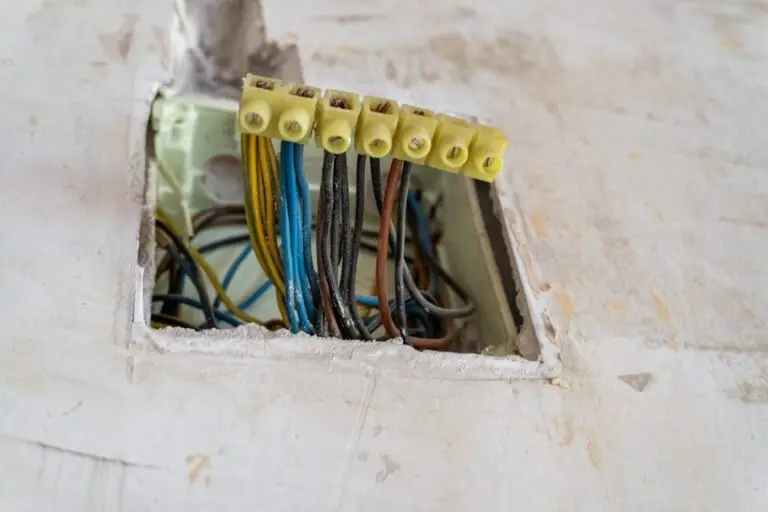
Not every flickering light bulb signals an impending crisis, but some signs are definite red flags. A true electrical emergency is any situation that poses an immediate risk of fire, electrocution, or significant damage. If you’re unsure, err on the side of caution and call a professional. Here are some common indicators:
- Burning Smells: A distinct odor of burning plastic, rubber, or a
Choosing a reliable 24-hour emergency electrician near me
When you’re in the middle of an electrical crisis, like a power outage at 3 AM or a sparking outlet that just won’t quit, the last thing you want to worry about is finding a trustworthy electrician. It’s easy to just grab the first name you see, but that can lead to big problems, like paying too much or, worse, getting a repair that isn’t safe. So, how do you pick the right person when you’re stressed and time is ticking?
Licensing and insurance verification
First things first: always check if they’re licensed and insured. A licensed electrician has proven they know their stuff and have passed tests to make sure they can do the job safely and correctly. Insurance is just as important. It means if something goes wrong while they’re working, like accidental damage to your property, they’ve got it covered. You don’t want to be on the hook for that.
Here’s a quick rundown of what to look for:
- License: Verify their state or local electrical license is current.
- Insurance: Ask for proof of general liability and worker’s compensation insurance.
- Credentials: Look for certifications that show they’ve had extra training.
Checking reviews and accreditation
After you’ve confirmed they’re legit, take a few minutes to see what other people are saying. Online reviews on sites like Google or Yelp can give you a good idea of their reputation. Look for patterns in the feedback – are people consistently happy with their service, or are there recurring complaints? Also, check if they’re part of any professional organizations. While not always a deal-breaker, accreditation can show a commitment to industry standards. We’ve found that companies with a solid history of positive feedback often provide the most dependable service.
Don’t just look at the star rating; read the actual comments. Sometimes a few negative reviews can be outliers, but a string of complaints about punctuality, cost, or quality is a big red flag.
Understanding upfront pricing
Nobody likes surprises, especially when it comes to bills. A good emergency electrician will give you a clear estimate before they start any work. This usually includes a trip fee for coming out and then a breakdown of labor and parts costs. Some companies offer flat-rate pricing, which means you know the total cost upfront. This is often better than an hourly rate, where the bill can keep climbing unexpectedly. Always ask for a detailed quote and make sure you understand what you’re paying for. If a company is hesitant to provide this, it might be best to look elsewhere. You can check out our services to see how we approach transparent pricing.
The dangers of DIY electrical fixes
It’s easy to look at a flickering light or a loose outlet and think, "I can fix that myself." Maybe you’ve watched a few videos online, or perhaps you’re just trying to save a few bucks. But when it comes to electrical work, that temptation can lead to some serious trouble. Attempting electrical repairs without the proper training and tools is a gamble with your safety and your home.
Risks of Electrocution and Fire Hazards
Electricity is powerful and unforgiving. A mistake that seems small can have huge consequences. When you mess with wiring, you’re playing with fire – literally. Loose connections, improper grounding, or using the wrong materials can all create hot spots that can easily ignite nearby materials, leading to a house fire. Electrocution is also a very real danger. Even low voltage can cause serious injury or worse if you’re not careful. It’s not worth the risk when you can call a professional.
Potential for Code Violations and Insurance Issues
Beyond the immediate physical dangers, DIY electrical work can cause long-term problems. Most areas have strict electrical codes designed to keep homes safe. If you perform work that doesn’t meet these standards, you could be creating code violations. This can become a major headache later, especially if you try to sell your home. Many insurance companies will also deny claims for fire damage if they discover the cause was unpermitted or improperly done electrical work. That means you could be left footing the bill for extensive repairs.
Why Professional Expertise is Crucial
Licensed electricians have years of training and experience. They understand the complex systems in your home and know how to work safely and efficiently. They have specialized tools to diagnose problems accurately, like identifying hidden faults or overloaded circuits. They also know all the local codes and regulations. Trying to bypass these steps with a DIY fix often just masks the problem, leaving the underlying danger to fester. For any electrical issue beyond simply changing a lightbulb, it’s always best to call a qualified professional.
When you’re faced with an electrical problem, remember that a quick fix might seem appealing, but the long-term consequences of DIY electrical work can be severe. Safety, code compliance, and your home’s insurability are all on the line. Trusting the job to a licensed electrician is an investment in peace of mind and the protection of your property.
Essential services provided by emergency electrical teams
A good emergency electrical team does more than just put a band-aid on a problem. They’re there to get your home or business back to a safe, stable state, and then figure out a lasting fix. When you’re in a bind, here’s what you can expect from a professional crew:
Rapid diagnostics and fault finding
When something goes wrong, especially with electricity, it’s not always obvious what the cause is. Emergency electricians have special tools to figure out what’s happening, even if it’s hidden behind walls. They can pinpoint why a circuit breaker keeps tripping or why an outlet isn’t working. This quick figuring out is key to stopping bigger issues before they start.
Generator repair and safety inspections
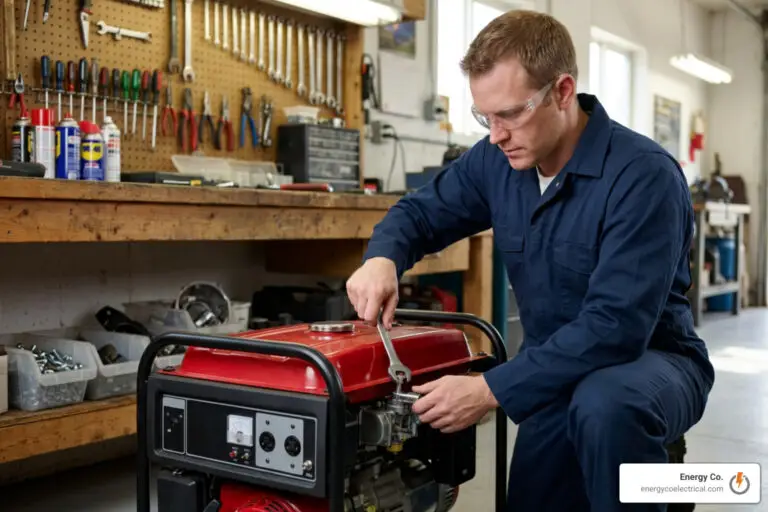
If you rely on a backup generator, an emergency team can make sure it’s ready to go when you need it most. They can fix problems with the generator itself or its connection to your home. After a power surge, a fire, or any serious electrical event, they’ll also do a thorough safety check. This means looking at everything from your main panel to individual outlets to make sure there aren’t any other dangers lurking.
Panel upgrades and modernization
Sometimes, the problem isn’t just a single wire or breaker; it’s the whole electrical panel. Older panels, especially those from decades ago, might not be able to handle the power demands of modern appliances and electronics. An emergency team can assess if your panel needs an upgrade or a complete replacement. This isn’t just about more power; it’s about making your home safer and more reliable. Think of it as giving your home’s electrical system a much-needed tune-up for the 21st century. You can find more information on electrical panel upgrades if you suspect yours is outdated.
It’s easy to think of emergency electrical services as just for when things are actively on fire or sparking. But they also handle the underlying issues that could lead to those dangerous situations. Getting a professional to check out strange noises or smells from your panel can prevent a much bigger disaster down the road.
Understanding emergency service costs
Diagnostic fees and hourly rates
When you call for an emergency electrician, you’re not just paying for the time spent fixing the problem. There’s a cost associated with having someone ready to go at a moment’s notice, day or night. This usually breaks down into a few parts. First, there’s often a trip or service fee. This fee covers the electrician’s travel to your location and the initial assessment of the issue. Think of it as the cost for them to show up and figure out what’s wrong. After that, you’ll typically be charged for the labor itself. Some companies charge by the hour, while others prefer a flat-rate for the repair once they’ve diagnosed it. It’s good to know which method they use upfront.
Checking reviews and accreditation
It’s really important to get a clear idea of the total cost before any work begins. Don’t be shy about asking for an estimate. A good electrician will be happy to walk you through the expected charges. This usually includes the diagnostic fee, the estimated labor cost (whether hourly or flat-rate), and the price of any parts needed for the repair. Transparency here is key to avoiding surprises later. If a company seems hesitant to provide an estimate or gives you a vague answer, that might be a red flag.
Understanding upfront pricing
Here’s a general idea of what you might expect for emergency electrical services in 2026. Keep in mind these are just averages, and your specific situation could be more or less.
| Service Type | Typical Cost Range |
|---|---|
| Initial Service/Trip Fee | $150 – $350 |
| Hourly Labor Rate | $100 – $200 per hour |
| Parts | Varies |
Remember, emergency rates are higher than standard business hours because the service is immediate and available 24/7. While it might seem like a lot, the cost of ignoring a serious electrical problem, like a potential fire hazard, is infinitely higher. Always ask for a detailed breakdown of costs before agreeing to the work.
Handling power outages and storm damage
When the sky opens up and the wind howls, your electrical system can take a serious hit. Dealing with power outages and storm damage is a stressful situation, and it’s important to know who’s responsible for what.
Utility versus Homeowner Responsibilities
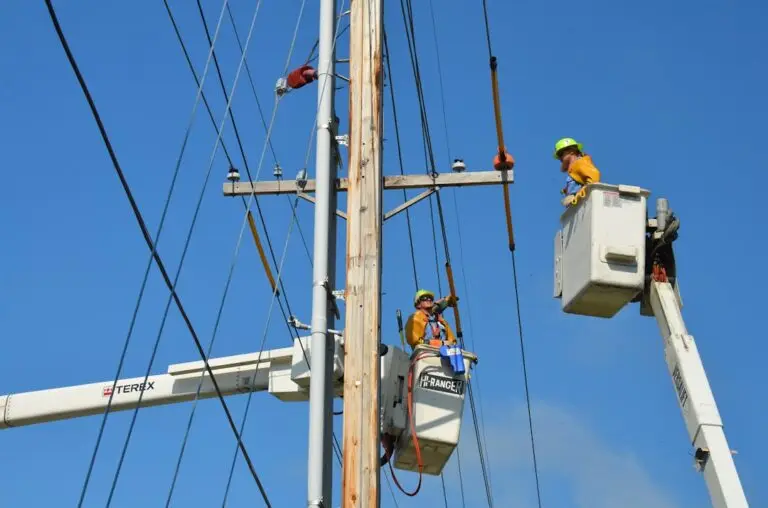
It’s a common point of confusion, but the utility company, like ComEd in the Chicagoland area, is generally responsible for the power lines running from the street pole all the way to your house. This includes the main service drop. However, once that power reaches your property, the responsibility shifts to you, the homeowner. This means you’re on the hook for the service mast (that pipe bringing power up your house), the weatherhead (where the wires connect to your house), the meter enclosure, and, of course, your main electrical panel inside or outside your home. If a storm rips off your service mast, the utility company can’t restore power until a licensed electrician fixes your equipment and it passes inspection.
Emergency Response Protocols for Storm Damage
When severe weather strikes, a quick and correct response is key to getting your power back safely. Here’s a breakdown of what to expect and what needs to happen:
- Assessment: A qualified electrician will first assess the damage to your home’s electrical system. This includes checking for any compromised wiring, damaged panels, or issues with the service entrance.
- Repairs: Based on the assessment, necessary repairs will be made. This could range from reattaching a service mast to replacing a damaged breaker or even a full panel upgrade if the existing one is beyond repair.
- Inspection: After repairs are completed, a local building inspector will likely need to sign off to ensure everything meets safety codes.
- Restoration: Once all repairs and inspections are cleared, the utility company can safely reconnect your power.
Ensuring Code Compliance for Grid Reconnection
This is where hiring a professional really pays off. Utility companies won’t reconnect power to a home that doesn’t meet current electrical codes. This is for your safety and the stability of the grid. If storm damage has caused issues that put your system out of compliance – maybe a damaged conduit or ungrounded wiring – it needs to be fixed by a licensed electrician before the utility will flip the switch. They know the local Chicago electrical codes and can make sure your repairs are done right the first time, so you don’t face delays getting back online.
Dealing with power outages and storm damage can be overwhelming. It’s crucial to understand the division of responsibilities between you and your utility provider. Relying on a certified, local electrician ensures that repairs are not only swift but also meet all safety and code requirements, paving the way for a safe and timely power restoration.
Preventing future electrical emergencies with professional maintenance
It’s easy to forget about your home’s electrical system until something goes wrong. But just like your car needs regular oil changes, your electrical setup benefits from routine check-ups. Proactive maintenance is the best way to avoid those stressful, unexpected calls for an emergency electrician. Think of it as giving your home’s power a regular spa day.
Importance of Annual Safety Inspections
An annual safety inspection is like a yearly physical for your electrical system. A qualified electrician will come in and look over the critical components. They’re checking for things that might not be obvious to the untrained eye, like loose connections, signs of wear on breakers, or outlets that are starting to look a little tired. This isn’t just about preventing a breakdown; it’s about making sure everything is up to current safety standards. It’s a good idea to schedule this around the same time each year, maybe in the spring when you’re already thinking about home maintenance. This kind of check can catch small issues before they turn into big, expensive problems.
Benefits of Panel Upgrades and Surge Protection
Your electrical panel is the heart of your home’s power system. If it’s old, it might not be able to handle the demands of modern appliances and electronics. Think about all the gadgets we use now compared to 20 or 30 years ago – they all draw more power. Upgrading your panel can make your system more efficient and safer, especially if you’re planning renovations or adding major appliances.
Beyond the panel, whole-home surge protection is a smart investment. It acts like a bodyguard for your electronics, shielding them from sudden power spikes caused by lightning or grid fluctuations. These surges can fry expensive computers, TVs, and other sensitive equipment in an instant. Installing surge protection is a relatively simple step that offers significant peace of mind. For homeowners in areas prone to storms, this is particularly important. Consider professional installation to ensure it’s done right.
Addressing HVAC Electrical Strain
Did you know your heating and cooling system can put a strain on your electrical setup? HVAC units, especially older ones or those with duct leaks, often have to work harder to maintain the desired temperature. This extra effort means they draw more power, which can stress your electrical circuits and wiring over time. An electrician can inspect the electrical connections to your HVAC system, making sure they’re sound and not a fire risk. They can also identify if the system itself is drawing excessive power, which might point to a need for repairs or even a more efficient unit. This is especially relevant during extreme weather when your HVAC is running non-stop.
Regular maintenance isn’t just about fixing what’s broken; it’s about preventing future problems before they even start. A little attention now can save a lot of trouble later.
Why certification matters when hiring an electrician near me
When you’re looking for an electrician, you might see a lot of people advertising their services. But not all electricians are created equal. Certification is a big deal, and here’s why.
Ensuring safety through rigorous training
Electrical work can be dangerous. It’s not like fixing a leaky faucet; one wrong move can lead to shocks, fires, or worse. Certified electricians have gone through serious training programs. They’ve learned the ins and outs of electrical systems, safety protocols, and how to avoid common hazards. This training is what separates a professional from someone just tinkering around. It means they understand the risks and know how to handle them safely.
Staying current with evolving technologies and codes
The world of electricity changes fast. New gadgets, smart home tech, and updated safety rules come out all the time. A certified electrician is required to keep their knowledge fresh. They often have to take continuing education classes to stay up-to-date on the latest codes and technologies. This is super important because old methods might not be safe or efficient anymore. For example, dealing with older wiring in homes around Chicagoland requires a specific kind of know-how that only updated training can provide. Local electricians who are certified know these local quirks.
The value of licensed and certified professionals
| Certification Type | What it Means for You |
|---|---|
| Licensed Electrician | Has met state requirements for training and passed exams. |
| Certified Master Electrician | Has extensive experience and has passed advanced exams. |
| Certified Journeyman Electrician | Has completed an apprenticeship and passed journeyman-level exams. |
When you hire someone who is licensed and certified, you’re getting someone who has proven their skills and knowledge. It’s a sign that they take their profession seriously and are committed to doing good, safe work. It also means they are accountable. If something goes wrong, there’s a professional body or licensing board they answer to. This gives you peace of mind knowing you’ve hired a qualified professional for the job.
Hiring a certified electrician isn’t just about following the rules; it’s about protecting your home, your family, and your investment. They have the skills and knowledge to do the job right the first time, avoiding costly mistakes and dangerous situations.
Local expertise for Chicagoland electrical needs
Understanding specific infrastructure challenges
Chicago and its surrounding suburbs, known as Chicagoland, have a unique electrical landscape. Many older homes, like those found in areas such as Lincoln Park or Oak Park, were built decades ago and feature original wiring systems. Think knob-and-tube or cloth-insulated wiring. These systems simply weren’t designed to handle the power demands of modern life – all those gadgets, appliances, and smart home tech we rely on today. Trying to push too much power through old wires is a recipe for trouble, often leading to overheating and potential fire hazards. It’s like trying to run a marathon on a diet of just toast. Knowing these specific challenges is what separates a good electrician from a great one in this area.
Navigating local codes and regulations
Beyond the age of the wiring, Chicago has its own set of electrical codes that can be stricter than national standards. For instance, certain types of cable might be required in specific situations where other cities allow different materials. This is all about safety, especially given the dense population and historic nature of many buildings. An electrician who regularly works in Chicagoland will be up-to-date on these local rules. They know what permits are needed, how to get them, and how to ensure the work passes inspection the first time. It saves you headaches and potential fines down the line.
Experience with older homes and modern developments
Whether you’re living in a charming vintage bungalow or a brand-new construction in a developing suburb, local electricians have seen it all. They understand the quirks of older electrical systems and how to integrate modern technology without compromising safety or aesthetics. This means they can properly assess your home’s current setup, identify potential issues before they become problems, and recommend solutions that fit your specific needs and the building’s structure. It’s about having a team that respects the past while powering the future.
Here’s a quick look at what to expect:
- Older Homes: Expect to find outdated wiring, insufficient breaker panel capacity, and a lack of grounding. Solutions often involve rewiring, panel upgrades, and adding grounded outlets.
- Newer Homes/Developments: Focus is on smart home integration, higher power demands for modern appliances, and potentially EV charger installations. Ensuring systems are future-proofed is key.
- Commercial Properties: Needs can range from basic lighting and power to complex industrial controls and backup power systems, all while adhering to strict commercial codes.
When you’re looking for an electrician in the Chicagoland area, don’t just pick the first name you see. Look for someone who specifically mentions experience with the types of buildings common in this region. It makes a world of difference.
How to choose a reliable electrical contractor
When you need an electrician, whether it’s for a planned upgrade or an unexpected emergency, picking the right person for the job is super important. It’s not just about finding someone who shows up; it’s about finding someone who knows their stuff and won’t leave you with more problems than you started with. You want a pro, not just a ‘trunk-slammer’ who might cut corners.
Differentiating professionals from ‘trunk-slammers’
So, what’s the difference? A professional electrician is usually part of a reputable company. They’re licensed, insured, and often have a physical office or a well-established online presence. They’ll give you a clear estimate before starting work, pull necessary permits, and stand behind their work with a guarantee. They also tend to have proper diagnostic tools and a team of trained staff. A ‘trunk-slammer,’ on the other hand, might be a guy working out of his car, often unlicensed and uninsured. They might offer a lower price, but the risks are way higher. You might not get a proper invoice, permits are often skipped, and if something goes wrong, they might be hard to find.
The importance of a satisfaction guarantee
A satisfaction guarantee is a big deal. It shows that the company is confident in the quality of their work. If you’re not happy with the job, they promise to come back and fix it, usually at no extra charge. This is a sign of a business that values its customers and its reputation. It’s like a promise that they’ll stick around until you’re completely satisfied. Without one, you might be left dealing with issues on your own after they’ve collected their payment.
Why choosing local experts transforms projects
Local electricians, especially those who have been serving an area like Chicagoland for a while, have a unique advantage. They understand the local infrastructure, from the older wiring in historic homes to the specific building codes in different towns. They’ve likely seen and fixed a wide range of problems specific to the region. This local knowledge means they can often diagnose issues faster and provide more accurate solutions. Plus, supporting a local business means you’re investing in your community. They’re more likely to be invested in building long-term relationships with their clients, which often translates to better service and more reliable work.
Picking the right electrician is super important for any job, big or small. You want someone you can trust to do the work safely and correctly. Our guide, "How to choose a reliable electrical contractor," breaks down what to look for, from checking their experience to making sure they’re properly licensed. Don’t guess when it comes to your electrical needs; get the facts first. Visit our website today to learn more and find the best pro for your project!
Wrapping It Up
So, finding the right electrician doesn’t have to be a huge headache. It’s really about doing a little homework beforehand. Check their credentials, see what folks in your neighborhood are saying, and always get a clear idea of the cost before they start. Remember, messing with electricity yourself is a big no-no – it’s just not worth the risk. By taking these steps, you can feel more confident that you’re hiring someone who will get the job done safely and correctly, keeping your home powered and your mind at ease.
Frequently Asked Questions
When should I call an emergency electrician instead of waiting for regular business hours?
You should call an emergency electrician right away if you notice any signs of danger. This includes smells of burning, sparks flying from outlets or switches, or a sudden loss of power, especially during bad weather. If a light just won’t turn on or an outlet isn’t working but there are no dangerous signs, it can likely wait until the next business day.
What are the biggest risks of trying to fix electrical problems myself?
Trying to fix electrical issues on your own can be very dangerous. You risk getting shocked, causing a fire, or damaging your home’s electrical system further. Plus, if you’re not a licensed professional, your home insurance might not cover any damage that happens later.
How can I be sure an electrician is licensed and insured?
Always ask for proof of their license and insurance. A legitimate electrician will be happy to show you these documents. You can also usually check with your state’s licensing board to confirm their status. This protects you and your home.
What should I do if I smell something burning but can’t find the source?
If you smell burning and can’t pinpoint the cause, it’s best to assume it’s an electrical issue. Turn off your main power breaker if it’s safe to do so. If you see smoke or flames, leave the building immediately and call 911. Don’t try to fix it yourself.
What’s the difference between a utility company’s responsibility and mine during a storm outage?
The utility company usually handles power lines from the street to your house. You are responsible for everything from the point where the wires connect to your home, including the pipe holding the meter and your main electrical panel inside. If storm damage affects your part, you’ll need an electrician to fix it before the utility can restore power.
How do emergency electricians usually charge for their services?
Emergency services often cost more than regular appointments because the electrician is available 24/7. There might be a fee just to come out and figure out the problem, and then an hourly rate for the work. Always ask for a price estimate before they start working so there are no surprises.
What kind of services can I expect from an emergency electrical team?
Emergency teams can quickly find and fix problems, like short circuits or breakers that keep tripping. They can also help with generator issues, check for safety problems after an event, or upgrade old electrical panels that can’t handle today’s power needs.
Why is regular maintenance important for preventing electrical problems?
Getting your electrical system checked regularly by a professional can help catch small issues before they become big, dangerous emergencies. This includes checking wires, outlets, and panels to make sure everything is safe and up-to-date with modern power demands.