How Much Does an Electrical Box Upgrade Cost in 2026?
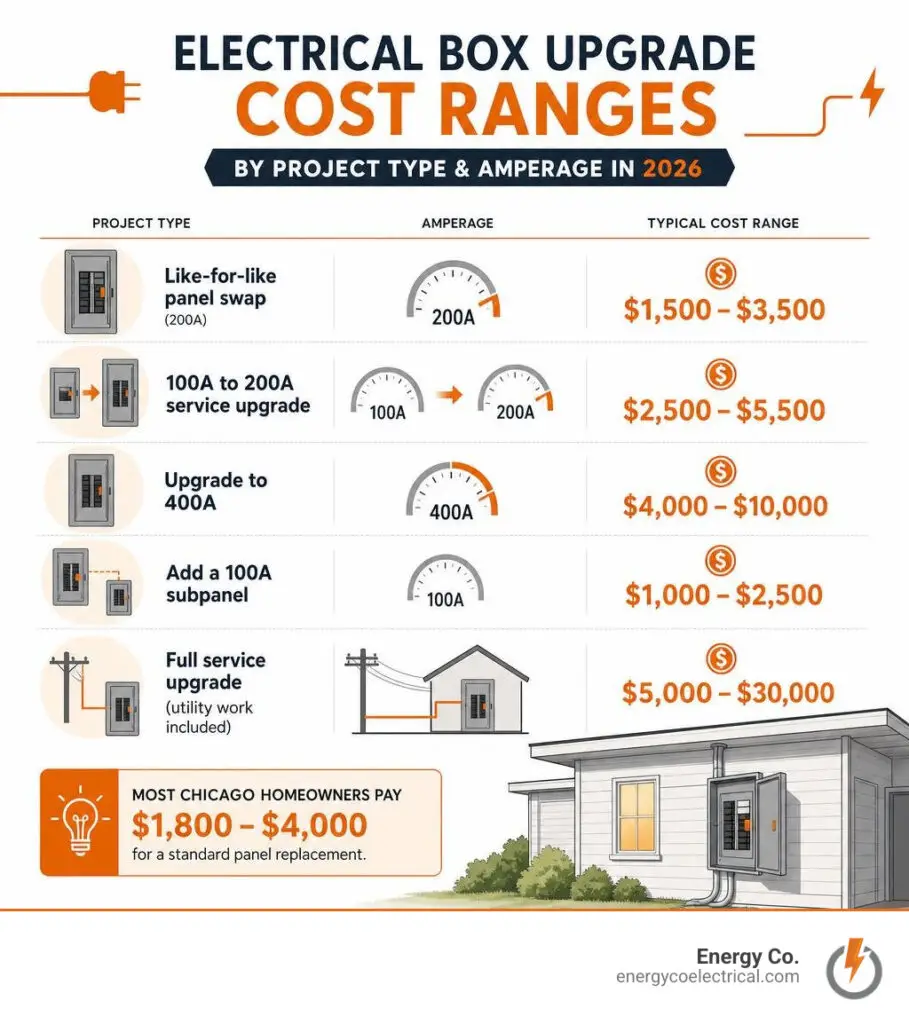
Understanding the electrical box upgrade cost is the first step before calling a contractor. Here’s a quick breakdown so you can budget with confidence:
| Project Type | Typical Cost Range | Timeline |
|---|---|---|
| Like-for-like 200A panel swap | $1,500 – $3,500 | 1 day |
| 100A to 200A service upgrade | $2,500 – $5,500 | 1-2 days |
| Upgrade to 400A | $4,000 – $10,000 | 2-3 days |
| Add a 100A subpanel | $1,000 – $2,500 | 1 day |
| Full service upgrade (utility work included) | $5,000 – $30,000 | Weeks |
Most Chicago homeowners pay between $1,800 and $4,000 for a standard panel replacement, with the national average sitting around $2,000 to $2,800 in 2026.
Your electrical panel is the nerve center of your home. Every outlet, appliance, and light fixture runs through it. When it can’t keep up — whether because it’s old, undersized, or just worn out — things start to go wrong. Breakers trip constantly. Lights flicker. And if you’re planning to add an EV charger, heat pump, or solar system, an outdated 100-amp box simply won’t cut it.
The tricky part? Costs vary a lot depending on your panel’s current amperage, your home’s wiring, where you live, and whether your utility company needs to get involved. A simple box swap is very different from a full service upgrade — and the price difference can be thousands of dollars.
I’m Michał Napieralski, and as the licensed electrician behind Energy Co. in Schaumburg, IL, I’ve helped hundreds of Chicago-area homeowners navigate the real-world electrical box upgrade cost — from straightforward panel swaps in newer suburbs to complex service upgrades in century-old Chicago bungalows. In this guide, I’ll walk you through everything you need to know to get a fair price and make the right call for your home.
What Is the Average Electrical Box Upgrade Cost in 2026?
When you start researching the electrical box upgrade cost, the numbers can feel like a moving target. In 2026, the national average to replace or upgrade a residential breaker box sits between $1,300 and $4,000, with most standard installations settling around the $2,000 to $2,800 mark.
However, in the Chicagoland area—including Cook County suburbs like Cicero, Arlington Heights, and Mount Prospect—costs run slightly higher than the national average. Local labor markets, strict municipal building codes, and the unique challenges of older Midwest homes push our typical regional average to about $2,625 to $2,875.
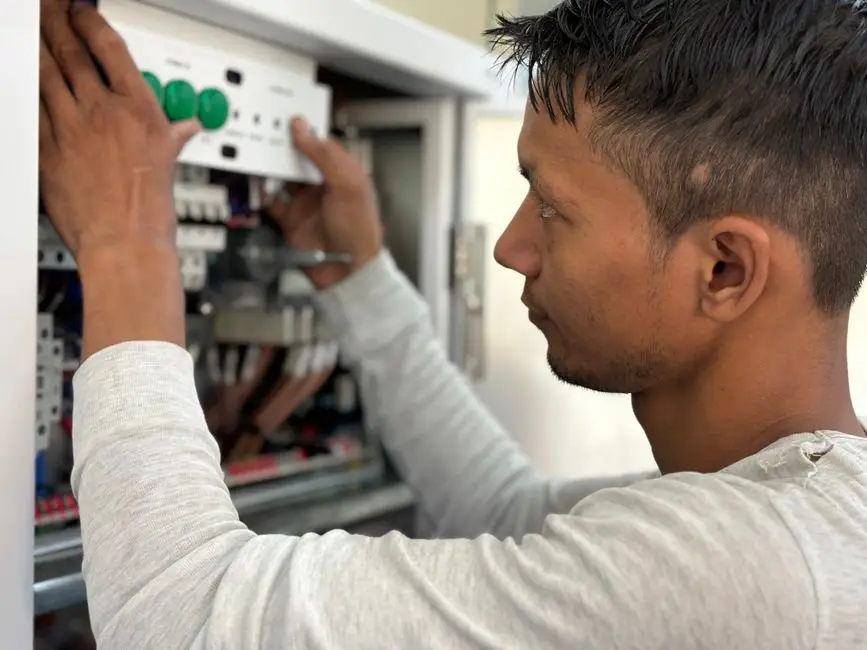
Your total invoice is divided into two primary categories: materials and labor. The physical panel and its circuit breakers generally cost between $150 and $600. The remaining balance goes toward professional labor, permitting, and the essential safety upgrades required by modern codes. For a comprehensive overview of how these national baselines compare, you can review the Breaker Box Replacement Cost (2026): Signs, Prices & Process | HomeCostLab analysis.
Electrical Box Upgrade Cost by Amperage (100A vs. 200A vs. 400A)
The single largest factor in determining your equipment cost is the amperage capacity of the new panel. Amperage measures the volume of electricity flowing into your home. If your home was built before 2000, there is a high chance it operates on a 100-amp system. While 100 amps was plenty of power for a microwave and a dial-up computer, it quickly buckles under the weight of modern electric life.
- 100-Amp Panel ($1,300 – $2,500): This is generally considered the bare minimum for small, gas-powered homes. If you do not plan on buying an electric vehicle, switching to a heat pump, or installing solar panels, a 100-amp panel swap can keep your budget low.
- 200-Amp Panel ($1,800 – $4,000): This is the modern gold standard. Almost all homes built since 2015 feature 200-amp service. It provides the necessary capacity to comfortably power central air conditioning, an electric range, and a Level 2 EV charger simultaneously. To understand the transition to this sweet spot, check out our guide on The Cost to Upgrade to a 200 Amp Panel Without Getting Zapped.
- 400-Amp Panel ($4,000 – $10,000+): Reserved for very large homes (typically over 4,000 square feet) or homes with extreme energy demands, such as multiple EV chargers, a heated swimming pool, a commercial-grade workshop, or massive solar arrays. This upgrade usually requires a split-service configuration with two 200-amp panels.
| Amperage Capacity | Typical Installed Cost | Best Suited For | Future-Proofing Level |
|---|---|---|---|
| 100 Amps | $1,300 – $2,500 | Small apartments, gas-heated homes | Low (will struggle with EV/heat pumps) |
| 150 Amps | $1,800 – $3,200 | Mid-sized homes with moderate electric use | Moderate (limited expansion space) |
| 200 Amps | $1,800 – $4,000 | Standard modern homes, basic electrification | High (the current industry standard) |
| 400 Amps | $4,000 – $10,000+ | Large estates, multiple EV chargers, heavy solar | Maximum (prepared for total electrification) |
Box-Only Swap vs. Full Service Electrical Box Upgrade Cost
It is incredibly common for homeowners to confuse a “box swap” with a “service upgrade.” Knowing the difference can save you thousands of dollars and weeks of waiting on utility companies.
A box-only swap (or like-for-like replacement) is exactly what it sounds like. We remove your old, failing, or obsolete 200-amp panel and put a brand-new, code-compliant 200-amp panel in its place. Because the wires coming from the street (the service drop) and your meter box are already rated for 200 amps, we do not have to touch them. This project typically takes 6 to 10 hours and costs between $1,500 and $3,500.
A full service upgrade, on the other hand, is required when you want to increase your home’s capacity (for example, upgrading from 100-amp service to 200-amp service). This requires:
- Coordinating with ComEd to disconnect the power from the street.
- Replacing the heavy service-entrance (SE) cables running down the side of your house.
- Installing a new, larger meter base on your exterior wall.
- Installing the new panel inside.
Because of the utility coordination, exterior construction, and heavy-gauge copper involved, a full service upgrade jumps to a range of $2,500 to $5,500. If your project requires underground line trenching or a utility transformer upgrade, costs can scale much higher. You can customize your estimate based on different project scopes using the Cost to Remodel Electrical Box – 2026 Cost Calculator (Customizable).
Key Factors That Drive Your Electrical Panel Upgrade Pricing
Beyond the basic hardware, several real-world variables will influence your final quote. When we evaluate homes in places like Palatine, Rolling Meadows, or Elk Grove Village, we assess these specific cost drivers:
- Labor and Regional Rates: Electrician labor rates in Cook County range from $50 to $150 per hour depending on the complexity of the job. Because panel replacements require precision and carry zero margin for error, they are always billed as flat-rate project bids rather than open-ended hourly work.
- Panel Location and Accessibility: If your panel is easily accessible in an unfinished basement or utility room, labor costs remain low. If it is buried behind drywall, located in a tight crawlspace, or needs to be relocated to meet modern clearance codes, expect to add $1,000 to $2,500 for the extra conduit runs and structural work.
- Permitting and Utility Fees: Municipalities require permits for main panel work to ensure safety. Permit fees in our service areas typically range from $50 to $300.
Code Compliance and Safety Requirements
When we replace an electrical panel, we are legally required to bring the entire system up to the latest National Electrical Code (NEC) standards. We cannot simply swap the box and ignore safety violations.
Modern codes require Arc-Fault Circuit Interrupter (AFCI) breakers on almost all living space branch circuits, and Ground-Fault Circuit Interrupter (GFCI) protection in wet areas like kitchens, bathrooms, and garages. While standard breakers cost about $10 to $15, AFCI and GFCI breakers cost $30 to $60 each. If your home has 20 circuits, updating these breakers alone can add $600 to $1,000 to your materials bill.
Additionally, current codes require a whole-home surge protection device (NEC 230.67) installed directly at the panel to protect your appliances from grid spikes, along with an updated grounding electrode system (usually involving driving two copper ground rods deep into the earth outside your home).
Existing Wiring Challenges in Older Homes
The age of your home plays a massive role in your final electrical box upgrade cost. In older Northwest Suburbs like Roselle, Hanover Park, and Streamwood, we frequently encounter historical wiring systems that require extra care:
- Knob-and-Tube Wiring: Popular from the late 1800s to the 1940s, this ungrounded wiring cannot safely connect to a modern panel without specialized remediation. If we find active knob-and-tube, it must often be replaced, which can add $2,000 to $5,000+ to the project scope.
- Aluminum Branch Wiring: Common in homes built between the mid-1960s and early 1970s, aluminum wiring is a known fire hazard because it expands and contracts differently than copper, leading to loose connections. We must use specialized Copalum connectors or Al/Cu-rated breakers to safely pig-tail these lines, adding several hours of meticulous labor.
- Obsolete Panel Brands: If your home features a Federal Pacific Electric (FPE) Stab-Lok or Zinsco panel, it is a ticking time bomb. UL field studies have shown that Stab-Lok breakers fail to trip at rates as high as 25% to 50%, while Zinsco breakers are notorious for fusing directly to the copper bus bar. Most major insurance carriers will issue 30-to-90-day non-renewal notices if they discover these brands in your home. Swapping them out is not just an upgrade; it is an immediate safety necessity.
Warning Signs You Need to Replace Your Breaker Box
You don’t always have to wait for a major renovation to upgrade your panel. Often, your electrical system will send clear distress signals that it is failing.
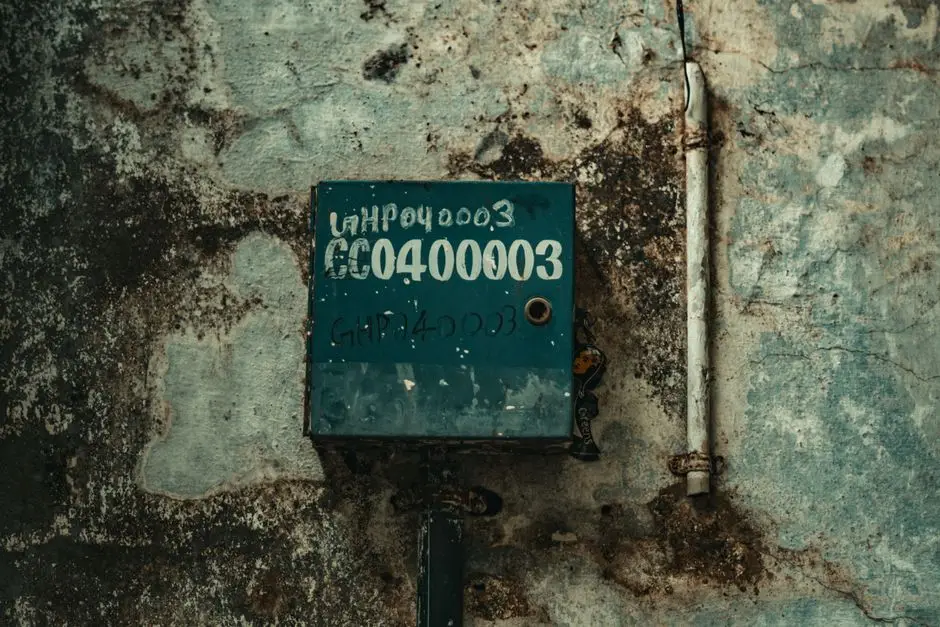
Keep an eye out for these warning signs:
- Frequent Tripping: If turning on the vacuum cleaner while the microwave is running immediately plunges your room into darkness, your panel is overloaded.
- Flickering or Dimming Lights: This indicates that heavy appliances (like your refrigerator or A/C compressor) are pulling more current than your panel can stably distribute.
- Physical Warmth or Burning Smells: If the metal cover of your panel feels warm to the touch, or if you notice a sweet, plastic-burning smell near the box, call an electrician immediately. This indicates active arcing and is an extreme fire hazard.
- Corrosion or Rust: Water always wins. If your panel is in a damp basement or has experienced water dripping down the service-entrance cable from the outside, rust will degrade the electrical connections, leading to resistance and heat.
- An Outdated Fuse Box: If your home still uses screw-in glass fuses, your system is at least 50 years old. Fuses themselves are not inherently unsafe, but they were never designed to handle the load of modern appliances, leading many homeowners to dangerously bypass them with oversized fuses.
Smart Panels and Electrification Alternatives
If you are upgrading your panel specifically to prepare for clean energy additions like solar power, heat pumps, or an EV charger, you might not actually need a massive, expensive service upgrade. In 2026, smart home technology offers incredible alternatives.
A smart panel (such as a Span or Lumin system) replaces your traditional breaker box with a computerized power management system. These systems cost between $3,000 and $6,000 but allow you to monitor and control every circuit in your home via a smartphone app.
The real magic of a smart panel is load shedding. If you have a 100-amp service and plug in your electric vehicle while the electric clothes dryer and oven are running, the smart panel will temporarily pause power to your car charger until the dryer cycle finishes. This prevents your main breaker from tripping and completely eliminates the need to coordinate a costly 200-amp or 400-amp service upgrade with ComEd.
Alternatively, you can install a subpanel for $500 to $1,500. A subpanel does not increase the total amount of power coming into your home, but it acts as an extension cord, providing extra physical breaker slots if your main panel is completely full. Learn more about how we design these modern configurations on our Electrical Panel Upgrade service page.
Frequently Asked Questions about Electrical Panel Upgrades
Navigating an electrical project can feel overwhelming. Here are the most common questions we hear from our Chicagoland clients:
How long does it take to upgrade an electrical panel?
A standard like-for-like panel swap typically takes a licensed two-man crew 4 to 8 hours to complete. During this window, your home will be completely without power, so we recommend keeping your refrigerator closed and planning to be away or working from a local coffee shop.
If you are undergoing a full service upgrade that requires ComEd to run new wires from the utility pole, the physical work still takes about 1 to 2 days, but the entire process—including permit approvals, utility scheduling, and final municipal inspections—usually spans 2 to 3 weeks.
Do I need a permit to upgrade my electrical box in Chicago?
Yes, absolutely. In Chicago and surrounding Cook County suburbs, performing main electrical panel work without a permit is highly illegal.
Permits ensure that a city inspector reviews our work to verify it meets strict local safety codes. If you attempt to sell your home in the future with an unpermitted panel, it can delay your closing, and if an unpermitted electrical system causes a house fire, your homeowner’s insurance carrier has the legal right to deny your claim entirely. At Energy Co., we handle 100% of the permitting and utility coordination for our clients.
Can I upgrade my electrical panel myself?
No. While we love a good DIY project for tiling a backsplash or painting a bedroom, upgrading an electrical panel is not a DIY job.
The main service wires coming into your home from the street are always live and carry enough current to cause instant, fatal electrocution. There is no main switch to turn off the power entering the top of your panel; only the utility company can disconnect it. Additionally, improper grounding or loose connections can create immediate fire hazards. Always hire a licensed, insured, and bonded electrical contractor for main service work.
Conclusion
Upgrading your electrical panel is one of the most important investments you can make in your home’s safety, efficiency, and future value. Whether you are replacing a hazardous Federal Pacific panel in Hoffman Estates, expanding capacity for an EV charger in Schaumburg, or bringing a historic Chicago bungalow up to modern codes, understanding your options helps you avoid unnecessary expenses.
At Energy Co., we pride ourselves on providing transparent pricing, expert craftsmanship, and a seamless process from permit pull to final inspection. We serve the entire Chicagoland area, including Rolling Meadows, Roselle, Hanover Park, Palatine, Cicero, and the Northwest Suburbs.
Ready to power your home safely and prepare for a clean energy future? Explore our Residential Electrical Services or learn more about how we handle an Electrical Panel Upgrade. For fast, reliable assistance with any electrical issues, visit our Expert Electrical Repair Service in Chicago Fast Reliable Solutions page to schedule your consultation today!