When you need an electrical installation service in Chicago, you want someone reliable. It’s not just about flipping a switch; it’s about making sure everything runs smoothly and safely. Whether you’re upgrading your home, setting up a new business space, or just need a small fix, finding the right help is important. This guide covers some of the common electrical jobs people need done around the city. In Chicago, electrical contractors must be licensed through the Chicago Department of Buildings.
Key Takeaways
- Panel upgrades can improve your home’s electrical capacity and safety.
- Installing ceiling fans and smart thermostats can add comfort and save energy.
- Recessed lighting and whole-house rewiring are major projects that modernize your electrical system.
- EV chargers and service masts are specialized installations for modern needs.
- Weatherheads and meter enclosures are critical external components that need professional attention.
1. Panel upgrades
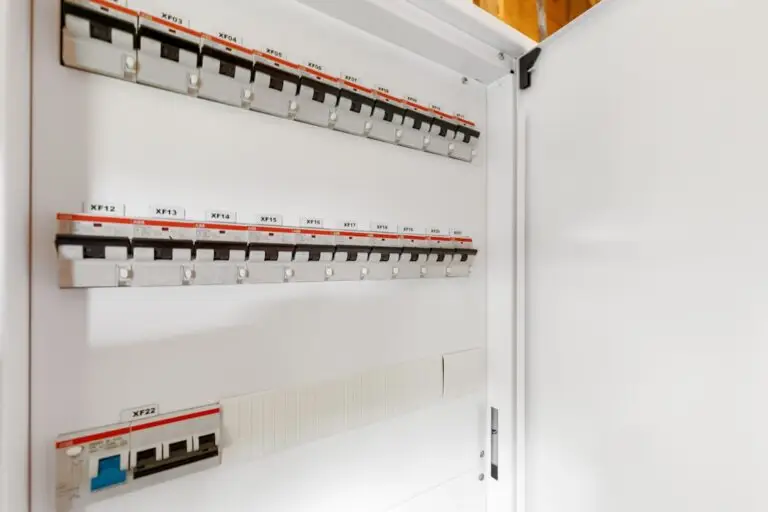
As our homes get smarter and our gadgets multiply, the electrical panel that powers everything can start to feel a bit… overwhelmed. Many older Chicago homes were built when power needs were much simpler. Think about it: a few lights, a radio, maybe a refrigerator. Now, we’ve got multiple TVs, computers, charging stations for phones and laptops, smart home devices, and often, high-demand appliances like central air conditioning or electric vehicle chargers. If your lights flicker when the microwave turns on, or breakers trip more often than you’d like, it’s a clear sign your panel is struggling.
Upgrading your electrical panel is more than just a convenience; it’s a safety upgrade. An outdated or overloaded panel can be a fire hazard. It can also lead to equipment damage from power surges or inconsistent voltage. A typical upgrade involves moving from an older 100-amp service to a more robust 200-amp service, which provides the necessary capacity for modern living.
Here’s what you can expect when considering a panel upgrade:
- Assessment: An electrician will check your current panel’s capacity, wiring, and overall condition.
- Load Calculation: They’ll figure out how much power your home actually uses and what you’ll need in the future.
- Permitting: Necessary permits will be obtained from the city to ensure the work meets code.
- Installation: The old panel is safely removed, and the new, higher-capacity panel is installed, with all circuits properly connected.
- Inspection: The work is inspected by the city to confirm it meets all safety standards.
This upgrade is a foundational step for many other home improvements, like adding a new appliance or even finishing a basement. It’s about making sure your home’s electrical system can safely and reliably keep up with your life. If you’re noticing signs of an overloaded system, it’s time to look into a panel upgrade to ensure your home is safe and ready for the future.
2. Ceiling fans
Ceiling fans are a great way to keep your home comfortable without relying solely on your air conditioning. They help circulate air, making rooms feel cooler in the summer and helping to distribute warm air in the winter when used in reverse. Installing a ceiling fan involves more than just screwing it into the ceiling; it requires proper electrical connections and secure mounting to ensure safety and optimal performance.
When you’re thinking about adding or replacing a ceiling fan, consider these points:
- Location: Where in the room will the fan be most effective? Usually, the center of the room is best, but consider room shape and furniture placement.
- Ceiling Height: Different fan sizes and downrod lengths are suited for various ceiling heights. Too low, and it’s a hazard; too high, and the airflow might not reach you.
- Fan Type: Beyond basic models, there are now smart fans that can be controlled via apps, fans with integrated lighting, and even fans designed for damp or wet locations if you need one for a porch or bathroom.
- Electrical Box: The electrical box in the ceiling must be rated to support the weight and vibration of a ceiling fan. Standard light fixture boxes are often not strong enough.
A properly installed ceiling fan can make a noticeable difference in your home’s comfort and energy use. If you’re not comfortable working with electrical wiring or heights, it’s always best to call in a professional. They can ensure the fan is wired correctly, securely mounted, and operates safely for years to come. For residents in Chicago, finding a licensed electrician who understands local codes is key to a job well done.
3. Smart thermostats
Upgrading to a smart thermostat is a pretty straightforward way to make your home more comfortable and maybe even save a bit on energy bills. These aren’t your grandma’s thermostats; they connect to your home’s Wi-Fi, letting you control the temperature from your phone, whether you’re on the couch or across town.
This kind of convenience can really change how you manage your home’s climate. Think about it: you can schedule it to warm up before you get out of bed or cool down the house when you’re heading home from work. Plus, many smart thermostats learn your habits over time and adjust automatically, which is pretty neat.
Here’s a quick look at what they offer:
- Remote Control: Adjust your home’s temperature from anywhere using a smartphone app.
- Energy Savings: Program schedules or let the thermostat learn your routine to avoid heating or cooling an empty house.
- Smart Home Integration: Many models work with other smart home devices and voice assistants.
- Usage Reports: Get insights into your heating and cooling patterns to find more ways to save energy.
Installing one is usually pretty simple, but if you’re not comfortable messing with wiring, it’s always best to call in a professional. They can make sure it’s wired correctly and connected to your Wi-Fi without any fuss.
Getting the right electrical setup for your smart home devices is important. It’s not just about convenience; it’s about making sure everything runs smoothly and safely. A professional can help ensure your home’s electrical system can handle the demands of modern technology.
4. Recessed lighting
Recessed lighting, often called can lighting, is a fantastic way to update the look and feel of your home. It’s all about creating a clean, modern aesthetic by hiding the light source itself within the ceiling. This type of lighting is super versatile and can make a big difference in how a room functions and feels.
The biggest advantage is its ability to provide clean, unobtrusive illumination. Instead of bulky fixtures hanging down, you get light that seems to emanate from the ceiling itself. This is especially great for smaller rooms or spaces where you want to keep the focus on furniture and decor, not the light fixtures.
When you’re thinking about recessed lighting, there are a few key things to consider:
- Type of Fixture: You’ve got your traditional "can" lights, which are housed in a metal cylinder, and newer "canless" or wafer lights. Canless options are really slim and can fit into tighter spaces, which is a lifesaver for older homes or basements with low ceilings.
- Light Quality: Think about the color temperature (warm to cool) and brightness (lumens). You’ll want to match this to the room’s purpose. For example, a kitchen might need brighter, cooler light, while a living room could benefit from warmer, dimmer options.
- Placement: Proper placement is key to avoiding glare and creating even light distribution. We can help you map out the best spots so you don’t end up with dark corners or overly bright areas.
- Smart Features: Many recessed lights can now be integrated with smart home systems. This means you can control them with your phone, set schedules, or even change colors and brightness on demand. It’s a neat way to add convenience and a modern touch.
Here’s a quick look at some common types and their uses:
| Lighting Type | Best For |
|---|---|
| Standard Recessed | General room illumination, kitchens, hallways |
| Gimbal/Adjustable | Highlighting artwork, accent lighting |
| Shower/Wet Rated | Bathrooms, showers, covered outdoor areas |
| Canless/Wafer | Low ceilings, tight spaces, modern look |
Installing recessed lighting involves working with electrical wiring, which can be tricky. It’s always best to have a professional handle the job to make sure it’s done safely and up to code. Getting the layout right and ensuring all connections are secure is important for both performance and safety.
We can help you design and install a recessed lighting system that perfectly suits your needs and style. Whether you’re looking for a subtle glow or bright task lighting, we’ve got you covered. Learn more about lighting design for your Chicago home.
5. Whole-house rewiring
Older homes in Chicago often have wiring that just can’t keep up with today’s power needs. Think knob-and-tube or cloth-insulated wires – they’re not just outdated, they can be a real fire hazard. If your home was built before the 1970s, it’s probably time to think about a whole-house rewire. This isn’t a small job, but it’s a big step towards making your home safe and ready for modern living.
When we talk about rewiring an entire house, we’re essentially replacing all the old electrical wiring with new, up-to-code materials. This includes everything from the wires running through your walls to the outlets and switches. It’s a pretty involved process, but it’s the best way to ensure your home’s electrical system can handle everything you throw at it, from multiple smart devices to high-demand appliances.
Here’s what you can generally expect during a whole-house rewiring project:
- Assessment: We’ll start by checking out your current system. This means looking at the age and type of wiring, your electrical panel, and identifying any potential issues or code violations.
- Planning: Based on the assessment, we’ll map out the new wiring plan. This includes deciding where new outlets, switches, and fixtures will go, and how to best run the new wires with minimal disruption.
- Installation: This is the main event. Our electricians will carefully run new wires through your walls, ceilings, and floors. We try our best to keep the mess contained and work efficiently.
- Panel Upgrade: Often, a full rewire goes hand-in-hand with upgrading your main electrical panel to handle the increased load and modern safety features.
- Testing and Inspection: Once everything is installed, we’ll test all the new circuits to make sure they’re working correctly and safely. We’ll also help you get the necessary permits and inspections from the city.
A full rewire typically takes about 5 to 10 business days for an average-sized home. The exact timeline can depend on factors like the size of your house and whether we need to fish wires through finished walls, which takes more time than working in open spaces.
Choosing the right team for this kind of job is super important. You want licensed professionals who know Chicago’s specific electrical codes and have experience with older homes. It’s a big project, but the peace of mind that comes with a safe, modern electrical system is totally worth it. If you’re planning any major renovations or just want to make sure your home is up to par, consider a whole-house rewire to bring your electrical system into the 21st century.
6. EV chargers
As more folks in Chicago switch to electric vehicles, having a reliable way to charge at home is becoming a big deal. Forget about hunting for public chargers or relying on a slow trickle from a regular outlet. Installing a dedicated Level 2 EV charger means your car is ready to go every morning, fully charged and good to go.
This isn’t just about convenience; it’s about making EV ownership practical for daily life.
Here’s what goes into getting an EV charger set up:
- Location, Location, Location: We’ll figure out the best spot for your charger. Think about where your car’s charging port is and if you’ll be parking inside or outside. If it’s outside, it needs to be tough enough for Chicago’s weather.
- Panel Check: Your home’s electrical panel is the heart of the system. We need to make sure it can handle the extra power draw of an EV charger, especially if you have older wiring or a smaller panel. Sometimes, an upgrade is needed.
- Permits and Safety: Getting the right permits is a must. It ensures the installation meets all safety codes and protects your home. We handle all that paperwork for you.
- The Actual Install: This involves running the proper wiring from your panel to the charger location, mounting the unit securely, and making all the connections. We test everything to make sure it works perfectly.
The whole process, from the initial quote to the final inspection, can take a few weeks. While the actual installation work is usually done in a single day, waiting for permits and scheduling inspections are part of the timeline. It’s worth the wait for a safe and reliable charging setup.
Costs can vary based on how far the charger is from your panel and if any electrical upgrades are necessary. But remember, there are often incentives and tax credits available that can help bring down the overall price. Getting a professional installation is key to ensuring safety, protecting your charger’s warranty, and giving you peace of mind. We can help you figure out the best EV charging solution for your home.
7. Service masts
The service mast is a pretty important part of your home’s electrical system, even though you might not think about it much. It’s basically the pipe that runs from your utility company’s power line down to your meter. Think of it as the main entry point for electricity coming into your house.
Getting the right service mast installed or repaired is key for safe and reliable power. If it’s damaged, corroded, or not installed correctly, it can cause all sorts of problems, from flickering lights to a complete power outage. Plus, a faulty mast can be a real safety hazard.
Here’s why it matters:
- Connection Point: It’s the direct link between the overhead power lines and your home’s electrical meter.
- Weather Protection: It’s designed to withstand Chicago’s weather, keeping the connection secure and protected.
- Code Compliance: Proper installation ensures everything meets local electrical codes, which is super important for safety and avoiding issues with inspections.
When you’re dealing with your home’s main power connection, it’s not a DIY job. You need professionals who know the ins and outs of these critical components. They’ll make sure it’s installed securely, meets all the requirements, and can handle the power your home needs. For any work related to your service mast, it’s always best to call a licensed electrician who understands Chicago’s specific electrical needs.
A properly installed service mast is more than just a pipe; it’s a vital safety feature that ensures a stable and secure connection for your home’s electricity. Ignoring its condition can lead to bigger, more expensive problems down the line.
8. Weatherheads
The weatherhead is that little cap on top of the pipe that brings electricity from the power lines to your house. It’s not just a random piece of metal; it’s actually pretty important for keeping water out of your electrical system. Think of it as the first line of defense against rain and snow getting into the conduit and causing all sorts of problems down the line.
When storms hit Chicago, they can really do a number on your home’s exterior. A damaged weatherhead can let water seep into the conduit, which can then travel down to your meter and even into your main electrical panel. This is a serious safety hazard and can lead to costly repairs.
Here’s why a properly installed and maintained weatherhead matters:
- Keeps Water Out: Its primary job is to prevent precipitation from entering the electrical conduit. This protects the wires and connections inside from corrosion and short circuits.
- Protects Connections: It shields the point where the utility company’s wires connect to your service entrance cable, preventing moisture from compromising these critical junctions.
- Meets Code: Electrical codes require a weatherhead to be installed correctly to ensure safety and proper function of the service entrance.
If you notice any damage to your weatherhead, like cracks or if it’s hanging loose, it’s best to get it checked out right away. Ignoring it could lead to bigger issues, especially after a bad storm. We handle these kinds of repairs to make sure your home stays safe and powered up.
Dealing with electrical issues after severe weather can be stressful. It’s important to know that while the utility company handles the lines from the pole to your house, you’re responsible for everything from the service mast up. This includes the weatherhead, meter enclosure, and your main panel. If any of these are damaged, your power can’t be restored until they’re fixed and inspected.
Getting a licensed professional to inspect and repair your weatherhead is key. They know the local codes and can make sure it’s installed correctly, protecting your home from the elements and keeping your electrical system running smoothly.
9. Meter enclosures
The meter enclosure is where your home’s electrical meter is housed, connecting your property to the utility’s power supply. It’s a critical component, and its condition directly impacts the safety and reliability of your electricity. Ensuring your meter enclosure is up to code and in good repair is vital for uninterrupted power.
These enclosures protect the meter from weather and physical damage. Over time, they can corrode, crack, or become loose, especially in Chicago’s harsh climate with its freeze-thaw cycles and strong winds. A damaged enclosure can lead to inaccurate readings, potential safety hazards, and even service interruptions.
Here’s what to look for:
- Corrosion: Check for rust or significant wear, particularly around seams and mounting points.
- Cracks or Damage: Any visible cracks in the metal or plastic housing need attention.
- Loose Mounting: The enclosure should be securely attached to the building. A wobbly enclosure is a sign of trouble.
- Weather Sealing: Ensure the seals around the meter and any entry points for wiring are intact to prevent water intrusion.
If you notice any issues with your meter enclosure, it’s important to have it inspected by a qualified electrician. They can assess the damage and recommend the necessary repairs or replacement. This is part of your responsibility as a homeowner, distinct from the utility company’s equipment. Addressing these issues promptly can prevent bigger problems down the line and keep your power flowing smoothly. For commercial properties, maintaining these enclosures is also key to reliable operations, as highlighted by commercial electrical services in Chicago.
The meter enclosure is more than just a box; it’s the gateway for electricity into your home. Its integrity is directly linked to the safety of your electrical system and the consistent delivery of power. Regular checks and prompt repairs are a small price to pay for peace of mind and reliable service.
10. Main panels
The main electrical panel is basically the heart of your home’s electrical system. It’s where the power from the utility company comes in and gets distributed to all the different circuits throughout your house. Think of it like the central hub for all your electricity.
A properly functioning main panel is super important for safety and making sure everything in your home gets the power it needs. If your panel is old, undersized, or just not up to par, you might start noticing some annoying issues.
Here are some signs that your main panel might need some attention:
- Frequent breaker trips: If breakers are constantly flipping off, it’s a clear sign your panel can’t handle the electrical load.
- Flickering lights: Lights dimming or flickering, especially when you turn on a big appliance like the air conditioner or microwave, means the system is struggling.
- Warm or discolored outlets/switches: If you feel heat coming from an outlet or switch, or notice any discoloration, that’s a serious warning sign.
- Buzzing sounds: Any unusual buzzing or humming noises coming from the panel itself or the walls nearby should be checked out immediately.
- Outdated panel: Panels with fuses instead of circuit breakers are generally considered outdated and may not offer the same level of safety and convenience.
Upgrading your main panel, often to a 200-amp service, is a smart move, especially if you’re adding new appliances, an electric vehicle charger, or even just dealing with the demands of modern living. It gives you the capacity you need and makes your home safer. We handle main panel installations and upgrades to make sure your home’s electrical heart is strong and reliable.
Let’s dive into the main panels. These are the core components that manage everything. Understanding them is key to getting the most out of your system. Want to learn more about how we handle these important parts? Visit our website today!
Your Electrical Installation Service in Chicago
So, when it comes to keeping your lights on and your appliances running smoothly in Chicago, remember that finding the right electrical service matters. It’s not just about getting the job done; it’s about having peace of mind knowing the work is safe and reliable. Whether you’re dealing with an old house that needs a serious electrical check-up or planning a new project, picking a team that knows the city and its quirks is a big deal. Don’t hesitate to reach out to professionals who show up, do good work, and stand by what they do. Your home’s electrical system is too important to leave to chance.
Frequently Asked Questions
What are the signs that I need a new electrical panel?
If your lights flicker often, breakers trip frequently, or you have a very old panel, it might be time for an upgrade. Older panels may not handle the power needs of modern homes, leading to safety issues.
How long does it typically take to install a ceiling fan?
Installing a ceiling fan usually takes about 1 to 2 hours. This can vary depending on the complexity of the wiring and if any modifications are needed to the ceiling box.
Are smart thermostats difficult to set up?
Most smart thermostats are designed for easy setup and can often be installed by a qualified electrician in under an hour. They connect to your home Wi-Fi and can be controlled from your phone.
What is the benefit of recessed lighting?
Recessed lighting, also known as can lighting, provides a clean, modern look and distributes light evenly. It’s great for highlighting features in a room or providing general illumination without taking up visual space.
Why would my house need whole-house rewiring?
Older homes, especially those with wiring like knob-and-tube, might not be safe or sufficient for today’s electrical demands. Rewiring ensures your home meets current safety standards and can handle all your appliances and electronics.
How long does it take to install an EV charger at home?
The installation time for an EV charger can range from a few hours to a full day. It depends on whether new wiring needs to be run from your electrical panel and the type of charger being installed.
What is a service mast, and why might it need repair?
A service mast is the pipe that brings electricity from the overhead power lines to your home’s meter. It can be damaged by storms or accidents, and needs to be repaired by a professional to restore power safely.
What is a weatherhead, and is it my responsibility?
The weatherhead is the cap on top of the service mast that prevents rain and snow from entering. Yes, it’s part of your home’s electrical system, so you’re responsible for its maintenance and repair.