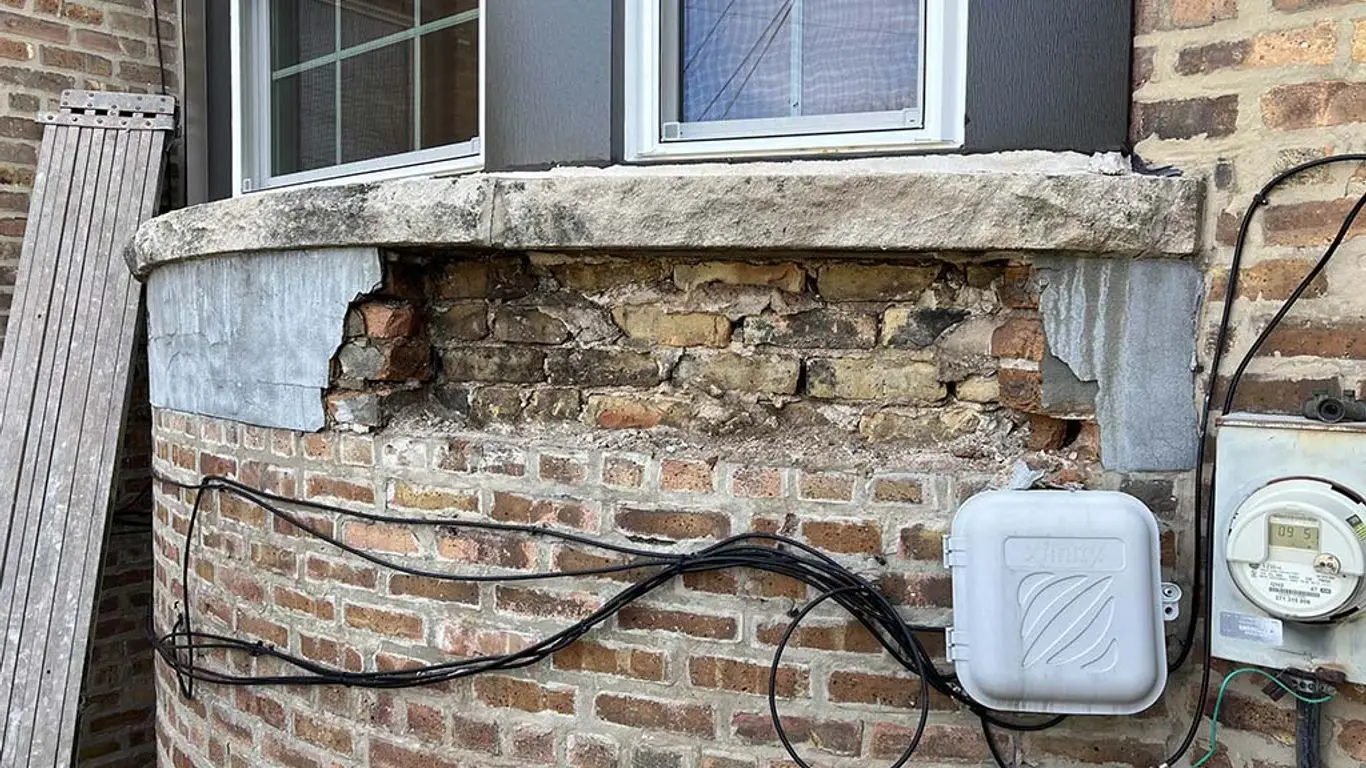
Dealing with electrical issues in your home or business can be a real headache. Whether it’s a flickering light, a breaker that keeps tripping, or something more serious, you need a reliable electrical repair shop in Chicago that you can count on. It’s easy to think about tackling small fixes yourself, but honestly, messing with electricity can be dangerous and often makes things worse. That’s where professional help comes in. Finding the right people means peace of mind and a safely running system. In Chicago, electrical contractors must be licensed through the Chicago Department of Buildings.
Key Takeaways
- Look for licensed and insured electricians who know Chicago’s specific electrical codes and older home systems.
- Prioritize companies with a strong local reputation, good reviews, and transparent, upfront pricing.
- Understand that DIY electrical work can be dangerous and may void your home insurance.
- Emergency services are available 24/7 for urgent issues, but expect them to be priced differently than scheduled appointments.
- A reputable electrical repair shop Chicago will offer guarantees on their work and communicate clearly throughout the process.
1. Circuit breaker
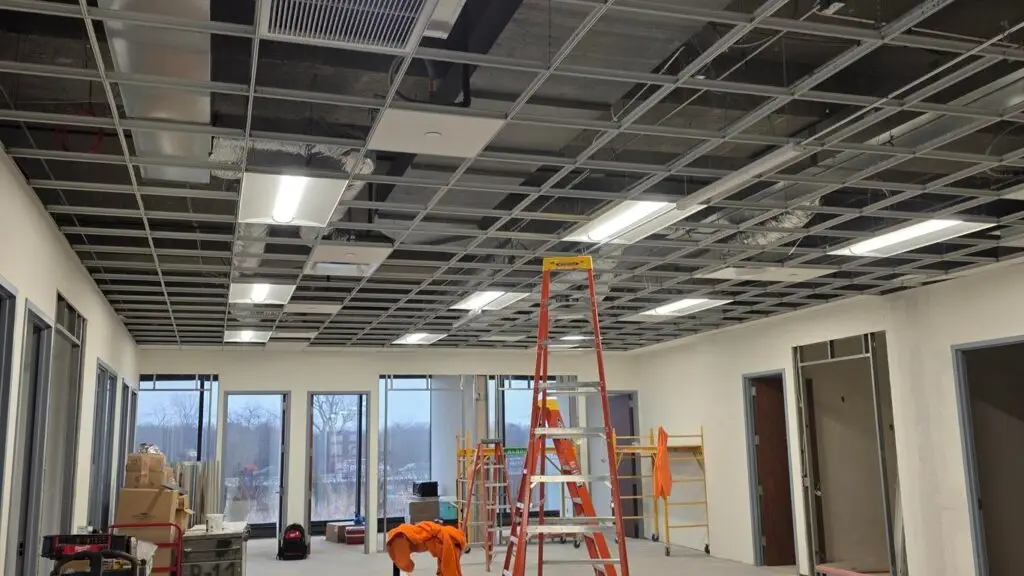
Circuit breakers are the unsung heroes of your home’s electrical system. They’re designed to protect your wiring and appliances from damage caused by overloads or short circuits. When a circuit gets too much power flowing through it, the breaker "trips," cutting off the electricity to that specific area. This is a safety feature, preventing potential fires and damage.
If your circuit breaker keeps tripping, it’s a sign that something isn’t right. It could mean you’re trying to draw too much power on one circuit, perhaps by running too many appliances at once, or there might be an issue with the wiring itself. Sometimes, older breakers just wear out and need replacing.
Here are some common reasons a breaker might trip:
- Overloaded Circuits: This is the most frequent cause. Think about plugging in a space heater, a microwave, and a toaster all on the same circuit. That’s a lot of power!
- Short Circuits: This happens when a "hot" wire touches a neutral wire, creating a sudden, massive surge of electricity. It’s often caused by damaged wiring or faulty appliances.
- Ground Faults: Similar to a short circuit, but the electricity finds an unintended path to the ground, often through water or a damaged appliance casing.
It’s really important not to ignore a tripping breaker. While it might seem like a minor annoyance, it’s your electrical system’s way of telling you there’s a problem that needs attention. Trying to reset a breaker repeatedly without figuring out the cause can be dangerous. For any persistent issues, it’s best to call a professional electrician to diagnose the problem and make the necessary circuit breaker repair safely. They have the tools and knowledge to figure out if it’s a simple fix or something more serious.
2. Electrical panel
The electrical panel, often called the breaker box, is the heart of your home’s electrical system. It’s where the power from the utility company comes in and gets distributed to all the different circuits throughout your house. Think of it as the control center. If you’re noticing lights flickering, breakers tripping more often than they should, or even a strange smell coming from the panel area, it’s a sign that something isn’t quite right.
Many older homes in Chicago were built when power demands were much lower. They might still have 100-amp panels that just can’t keep up with today’s needs – things like multiple large appliances, home offices with lots of electronics, or even just running the air conditioning and oven at the same time. Upgrading your electrical panel is often a necessary step to ensure your home is safe and can handle modern electrical loads.
Here are some common reasons you might need to look at your electrical panel:
- Frequent Breaker Trips: This usually means a circuit is overloaded or there’s a fault. It’s your panel’s way of telling you it’s working hard to prevent a bigger problem.
- Dimming or Flickering Lights: Especially when you turn on a high-power appliance like a microwave or vacuum, this can indicate your panel isn’t providing stable power.
- Warm Panel or Burning Smell: This is a serious warning sign. It could mean loose connections or overheating components, which are fire hazards.
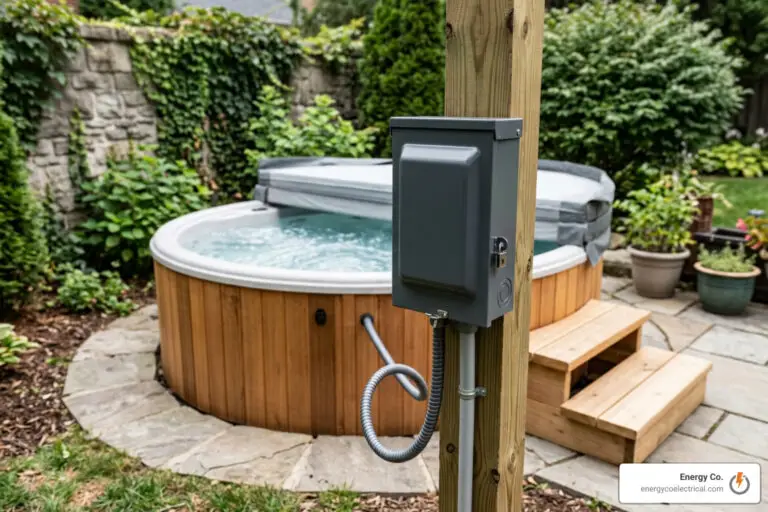
- Adding New Appliances or Systems: If you’re getting a new electric vehicle charger, a hot tub, or even just a more powerful air conditioner, your existing panel might not have the capacity.
- Outdated Panel Type: Some older panels, like Federal Pacific or Zinsco, have known safety issues and are recommended for replacement.
When it comes to your electrical panel, it’s not something to mess with yourself unless you’re a trained professional. A licensed electrician can assess your current system, determine if an upgrade is needed, and perform the work safely and correctly. They’ll make sure you get the right size panel, like a 200-amp service, which is standard for most modern homes, and ensure all the breakers are properly sized and installed. This is a key part of essential electrical installation services in Chicago.
Dealing with an outdated or overloaded electrical panel isn’t just an inconvenience; it’s a safety risk. A professional assessment can prevent potential fires and ensure your home’s electrical system is reliable for years to come. Don’t wait for a problem to happen – get it checked out.
3. Service mast
The service mast is that vertical pipe that runs up the side of your house, usually from the meter base all the way up to the weatherhead. It’s basically the main conduit for electricity coming from the utility lines to your home’s electrical system. Think of it as the entry point for all the power that keeps your lights on and your appliances running.
This part of your electrical setup is super important because it’s the first line of defense for incoming power. If it’s damaged, maybe from a storm or an accident, it can cut off power to your whole house. It’s also a part of your home’s electrical system that you’re responsible for, not the utility company.
Here’s a quick rundown of what you need to know about your service mast:
- Location: It’s the pipe that goes from your electric meter up to the point where the utility wires connect.
- Function: It houses the wires that bring power from the street to your home’s main electrical panel.
- Responsibility: Homeowners are responsible for maintaining the service mast, weatherhead, and meter enclosure.
- Common Issues: Damage from weather, falling branches, or even vehicle impact can compromise its integrity.
If you notice any damage, like bends, cracks, or if it looks loose, it’s definitely something you’ll want to get checked out by a professional. Trying to fix it yourself can be dangerous and might not meet code. A qualified electrician can assess the damage and make the necessary repairs to keep your power flowing safely. For any urgent issues, especially after severe weather, having a reliable 24/7 emergency electrician on call is a lifesaver. They know how to handle these situations safely and efficiently, making sure your home is up to code before the utility company can reconnect power.
4. Weatherhead
The weatherhead is that little cap on top of your service mast, the pipe that brings electricity from the utility lines down to your house. Its main job is to keep rain, snow, and other nasty weather from getting into the conduit and causing problems down the line. Think of it as the first line of defense for your home’s electrical system against the elements.
It’s a small but really important part of your home’s external electrical setup. If it’s damaged, cracked, or just not sealed right, water can get in, leading to corrosion, short circuits, and potentially bigger issues with your electrical panel or even your whole house. This is especially true here in Chicago, where we get all sorts of weather, from heavy snow to driving rain.
Here’s a quick rundown of why it matters:
- Protection from Elements: Its primary function is to prevent water and debris from entering the conduit. This keeps the wires inside dry and safe.
- Code Compliance: Electrical codes require a properly installed and maintained weatherhead to ensure safety and prevent hazards.
- Connection Point: It’s where the utility’s service drop connects to your home’s wiring system, making it a critical junction.
- Durability: While designed to withstand weather, extreme conditions or physical damage can compromise its integrity.
If you notice any damage to your weatherhead, like cracks or if it looks loose, it’s best to get it checked out by a professional. Trying to fix it yourself can be risky, especially when dealing with overhead lines. A qualified electrician can assess the damage and make the necessary repairs to keep your electrical system safe and sound. For any issues related to your home’s external electrical components, like the service mast or weatherhead, it’s always a good idea to consult with local electrical professionals.
Sometimes, storms can really do a number on the outside of your house, and the weatherhead is no exception. If you’ve had some bad weather roll through and suspect damage, it’s not something to put off. Getting it fixed quickly can prevent a small problem from turning into a much larger, more expensive one down the road.
5. Meter enclosure
The meter enclosure, often called the meter base, is where your electricity meter is housed. It’s the critical link between the utility company’s power lines and your home’s electrical system. Think of it as the official entry point for all the electricity coming into your property.
This enclosure needs to be properly installed and maintained to ensure accurate billing and, more importantly, electrical safety. If you notice any damage, corrosion, or loose connections around your meter, it’s a sign you need a professional to take a look.
Here’s why the meter enclosure is so important:
- Accurate Measurement: It contains the meter that measures your energy consumption, directly impacting your utility bills.
- Safety Barrier: It protects the meter and the initial connection point from weather and physical damage.
- Code Compliance: Installations must meet strict electrical codes to prevent hazards.
Sometimes, especially after severe weather, the service mast (the pipe carrying power to your house) or the weatherhead can be damaged. If this happens, the utility company can’t restore power until your meter enclosure and related components are repaired and inspected. This is where having a reliable electrician is key, especially for emergency repairs.
The meter enclosure is a homeowner’s responsibility, unlike the lines coming from the pole. Any damage here means you’ll need a qualified electrician to fix it before the power company can reconnect service. It’s a small part of your overall electrical system, but a really important one for safety and billing.
6. Outlet
Outlets are the gateways for electricity in your home, powering everything from your phone charger to your refrigerator. When an outlet isn’t working right, it’s more than just an inconvenience; it can be a safety hazard. Faulty outlets can lead to shocks, short circuits, and even fires.
Common outlet issues include loose connections, damaged wiring, or simply an outlet that’s seen better days. In older Chicago homes, you might even find outlets that aren’t grounded, which is a big no-no for modern electronics and safety.
Here are a few signs that your outlets might need attention:
- Warm to the touch: Outlets should never feel warm. This indicates a problem with the wiring or the outlet itself.
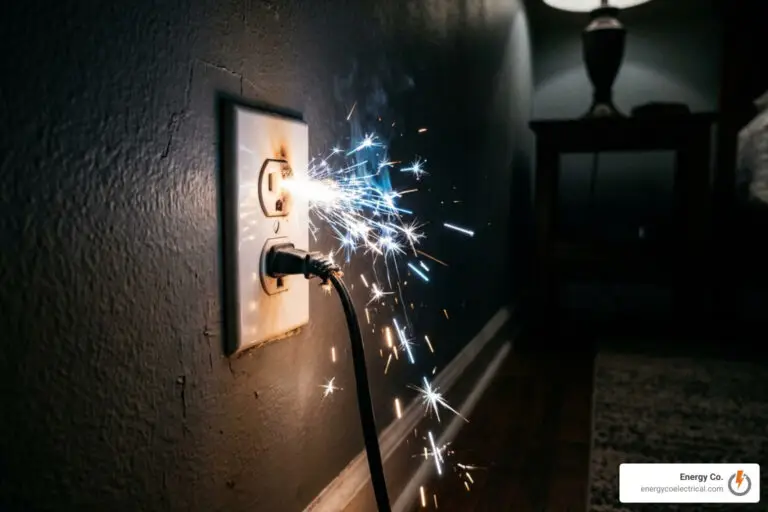
- Discoloration or burn marks: If you see any brown or black marks around the outlet, turn off the circuit breaker immediately and call a professional.
- Sparks when plugging in: A small spark might be normal for some appliances, but consistent or large sparks are a clear sign of trouble.
- Loose plugs: If plugs fall out easily or feel wobbly, the internal contacts are likely worn out.
- No power: If an outlet suddenly stops working, it could be a tripped breaker, a loose wire, or a failed outlet.
When it comes to outlet repair or replacement, it’s always best to call in the pros. They have the tools and knowledge to diagnose the exact problem and fix it safely. Whether it’s a simple swap of an old outlet for a new, grounded one, or tracing a complex wiring issue, licensed electricians can handle it. They can also install specialized outlets, like GFCI (Ground Fault Circuit Interrupter) outlets in areas prone to moisture, such as kitchens and bathrooms, for added protection.
Dealing with electrical issues, especially with outlets, can feel overwhelming. It’s easy to think a quick fix will do the trick, but electrical systems are complex. Trying to DIY repairs without the right knowledge can lead to bigger problems, including serious safety risks. Always trust a qualified electrician to handle outlet repairs and installations to ensure everything is up to code and working safely.
7. Switch
Switches are the gatekeepers of your home’s electricity, controlling everything from your lights to your appliances. When a switch starts acting up – maybe it’s flickering, feels loose, or just doesn’t turn things on anymore – it’s a sign that it might need some attention. Ignoring a faulty switch can be more than just an inconvenience; it can sometimes be a safety hazard.
There are a few common types of switches you’ll find in most homes:
- Standard Toggle Switches: These are the most common, used for basic on/off control of lights.
- Dimmer Switches: These allow you to adjust the brightness of lights, creating different moods and saving energy.
- Rocker Switches: Similar to toggle switches but with a larger, flatter surface that’s often easier to operate.
- Three-Way and Four-Way Switches: These are used in pairs or groups to control a light or fixture from multiple locations, like at the top and bottom of stairs.
- Smart Switches: These connect to your home’s Wi-Fi, allowing you to control lights remotely via an app or voice commands.
If you notice any of these issues with your switches, it’s best to call a professional:
- Sparks or Smoke: If a switch sparks when you flip it or you smell burning plastic, turn off the power to that circuit immediately and call an electrician.
- Loose or Wobbly Operation: A switch that feels loose or doesn’t engage properly might have internal damage.
- Intermittent Operation: If lights flicker or turn on/off randomly when you use the switch, it’s a sign of a failing component.
- Buzzing Sounds: A buzzing switch can indicate loose wiring or an overloaded circuit.
Dealing with switches, especially in older Chicago homes, requires a good understanding of the existing wiring and local codes. Sometimes, what looks like a simple switch problem can be a symptom of a larger issue within the electrical system. A qualified electrician can properly diagnose the problem and make the necessary repairs or replacements to keep your home safe and functional. For any electrical work, it’s always recommended to hire licensed professionals who know how to handle these situations safely and effectively.
8. Wiring
Wiring is the backbone of your home’s electrical system. It’s what carries power from your panel to every light, outlet, and appliance. Over time, especially in older Chicago homes, this wiring can degrade, become overloaded, or simply not be up to modern standards. Think about it: a house built in the 1950s wasn’t designed to power today’s array of electronics, from multiple smart devices to high-demand kitchen appliances. That’s where professional wiring services come in.
The condition of your home’s wiring is directly tied to its safety and functionality.
We often see a few common issues with older wiring:
- Knob-and-tube wiring: This older system lacks a ground wire, which is a significant safety concern today. It also struggles with the power demands of modern life.
- Cloth-insulated wiring: The insulation on these wires can become brittle and crack over time, exposing the conductor and creating a fire hazard.
- Aluminum wiring: While used in some homes to save costs, aluminum wiring can expand and contract differently than copper, leading to loose connections and overheating at outlets and switches.
- Undersized wiring: Circuits might be carrying more load than they were originally designed for, leading to overheating and potential fires.
When you notice things like flickering lights, outlets that feel warm to the touch, or breakers that trip frequently, it’s a sign that your wiring might be struggling. Addressing these issues isn’t just about convenience; it’s about preventing serious safety hazards. A full rewiring project might seem daunting, but it’s often the best way to future-proof your home and ensure it can handle your electrical needs safely for years to come. We can assess your current system and recommend the best course of action, whether it’s a minor repair or a complete rewiring of your home. This is especially important in older Chicago properties where navigating electrical work can be complex due to unique building codes and existing infrastructure.
Dealing with outdated or damaged wiring is a serious matter. It’s not just about preventing inconvenience; it’s about protecting your home and family from potential electrical fires and ensuring your system can reliably power your modern life. Always trust this work to qualified professionals who understand the risks and the solutions.
9. Ceiling fan
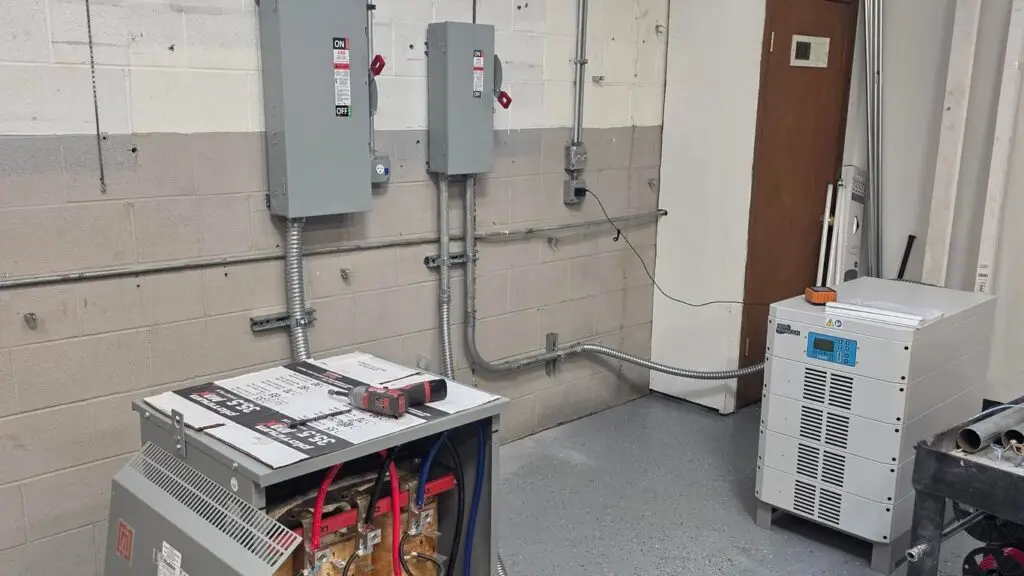
Ceiling fans are a great way to keep your home comfortable and can even help lower your energy bills. They circulate air, making a room feel cooler in the summer and helping to distribute warm air in the winter. Getting a ceiling fan installed correctly is important for both safety and performance.
When you’re thinking about adding a ceiling fan, there are a few things to consider:
- Location: Where in the room will it go? Make sure there’s enough clearance from walls and any furniture. You don’t want the blades hitting anything.
- Ceiling Height: Different fans work better for different ceiling heights. A flush-mount fan is good for lower ceilings, while a downrod fan works well for higher ones.
- Existing Wiring: Does the ceiling box where you want to install the fan have the proper support and wiring for a fan? Sometimes, a standard light fixture box isn’t strong enough to handle the weight and vibration of a fan.
- Features: Do you want a fan with a light kit? Remote control? Reversible motor for winter use? These are all options that can be discussed.
Installing a ceiling fan involves working with electrical wiring, which can be dangerous if not done properly. It’s always best to have a qualified electrician handle the installation to ensure it’s done safely and up to code. They can also advise on the best type of fan for your space and needs.
If you’re looking to install a new ceiling fan or replace an old one, a professional electrician can make sure it’s wired correctly and securely mounted. This is one of those home improvement tasks where professional help really pays off in the long run, giving you peace of mind and a well-functioning fan. For reliable ceiling fan installation in Chicago, consider reaching out to experienced local electricians.
10. Smart thermostat
Smart thermostats are a pretty neat way to get a handle on your home’s heating and cooling. They connect to your Wi-Fi, letting you control the temperature from your phone, even when you’re not home. This is super handy for saving energy because you can adjust the temperature when you’re away or asleep. Plus, many of them learn your habits over time and automatically set schedules that make sense for your household.
Installing a smart thermostat usually isn’t too complicated, but it does involve working with your home’s existing wiring. If you’re not comfortable messing with electrical connections, it’s definitely worth calling in a professional. They can make sure it’s wired correctly and that your system is compatible.
Here’s a general idea of what’s involved:
- Turn off power: Always shut off the power to your HVAC system at the breaker box before you start.
- Remove old thermostat: Carefully detach the old unit and label the wires so you know where each one goes.
- Install new base: Mount the new thermostat’s base plate to the wall.
- Connect wires: Attach the labeled wires to the corresponding terminals on the new thermostat.
- Attach faceplate and power on: Snap the faceplate on and turn the power back on at the breaker.
These devices can significantly reduce energy waste by optimizing your home’s climate control. They’re a great addition to any modern home, especially with the increasing demand on our electrical systems from things like electric vehicles and other smart home gadgets. Getting one installed properly means you can start enjoying the convenience and savings right away. If you’re looking to upgrade your home’s efficiency and comfort, a smart thermostat is a solid choice. Upgrading electrical panels might also be a good idea to ensure your home can handle all these new smart devices.
Upgrade your home with a smart thermostat! These devices learn your habits and help save energy without you even thinking about it. Want to know more about making your home more energy-efficient? Visit our website today!
Your Go-To Electrical Repair Shop in Chicago
So, when those lights start flickering or you’re facing a bigger electrical headache, remember that finding a reliable shop in Chicago isn’t just about fixing the problem. It’s about getting service you can trust, from folks who know the city’s quirks and care about your safety. Don’t gamble with DIY fixes or unproven handymen. Choosing a licensed, insured, and experienced team means you’re investing in your home’s well-being and your own peace of mind. Reach out to a top-rated shop, and let them handle the sparks so you don’t have to.
Frequently Asked Questions
What should I do if my circuit breaker keeps tripping?
If your circuit breaker trips often, it means it’s working to protect your home from too much electricity. It’s best to call a professional electrician. They can figure out if the problem is with the breaker itself, the wiring, or if you’re using too many appliances on one circuit.
How do I know if my electrical panel needs an upgrade?
Signs that your electrical panel might need an upgrade include frequently blown fuses or tripped breakers, dimming lights when you use appliances, or if your home is older and still has the original panel. An outdated panel can’t handle the power needs of modern homes and can be a safety risk.
What is a service mast and why is it important?
The service mast is the pipe that brings electricity from the power lines outside your house to your electrical meter and then into your home. It’s crucial because it’s the main entry point for power. If it’s damaged, especially by weather, your power company can’t restore electricity until it’s safely repaired by a licensed electrician.
What is a weatherhead in my electrical system?
The weatherhead is the cap at the very top of the service mast. Its job is to keep rain and snow from getting into the electrical wires where they connect to your house. It needs to be properly sealed and in good condition to prevent water damage.
When should I be concerned about my meter enclosure?
Your meter enclosure holds the electrical meter that measures your energy use. You should be concerned if you notice any cracks, damage, or if the meter itself seems to be malfunctioning. It’s important for accurate billing and safe connection to the power grid.
Why are some of my outlets not working?
If an outlet isn’t working, it could be a tripped breaker, a loose wire behind the outlet, or the outlet itself might be old and faulty. Sometimes, a GFCI outlet (the kind with ‘test’ and ‘reset’ buttons) might have tripped. A qualified electrician can quickly diagnose and fix the issue.
What are the signs of faulty wiring?
Watch out for flickering lights, outlets that feel warm to the touch, a burning smell coming from outlets or switches, or if you see sparks. These are all serious signs that your home’s wiring might be old, damaged, or not up to code, and it’s important to have it checked immediately.
Is it safe to install a ceiling fan myself?
While some people attempt DIY ceiling fan installations, it’s often best left to a professional. Ceiling fans are heavier than light fixtures and require secure mounting and proper electrical connections. An electrician ensures it’s installed safely and correctly, preventing potential hazards.