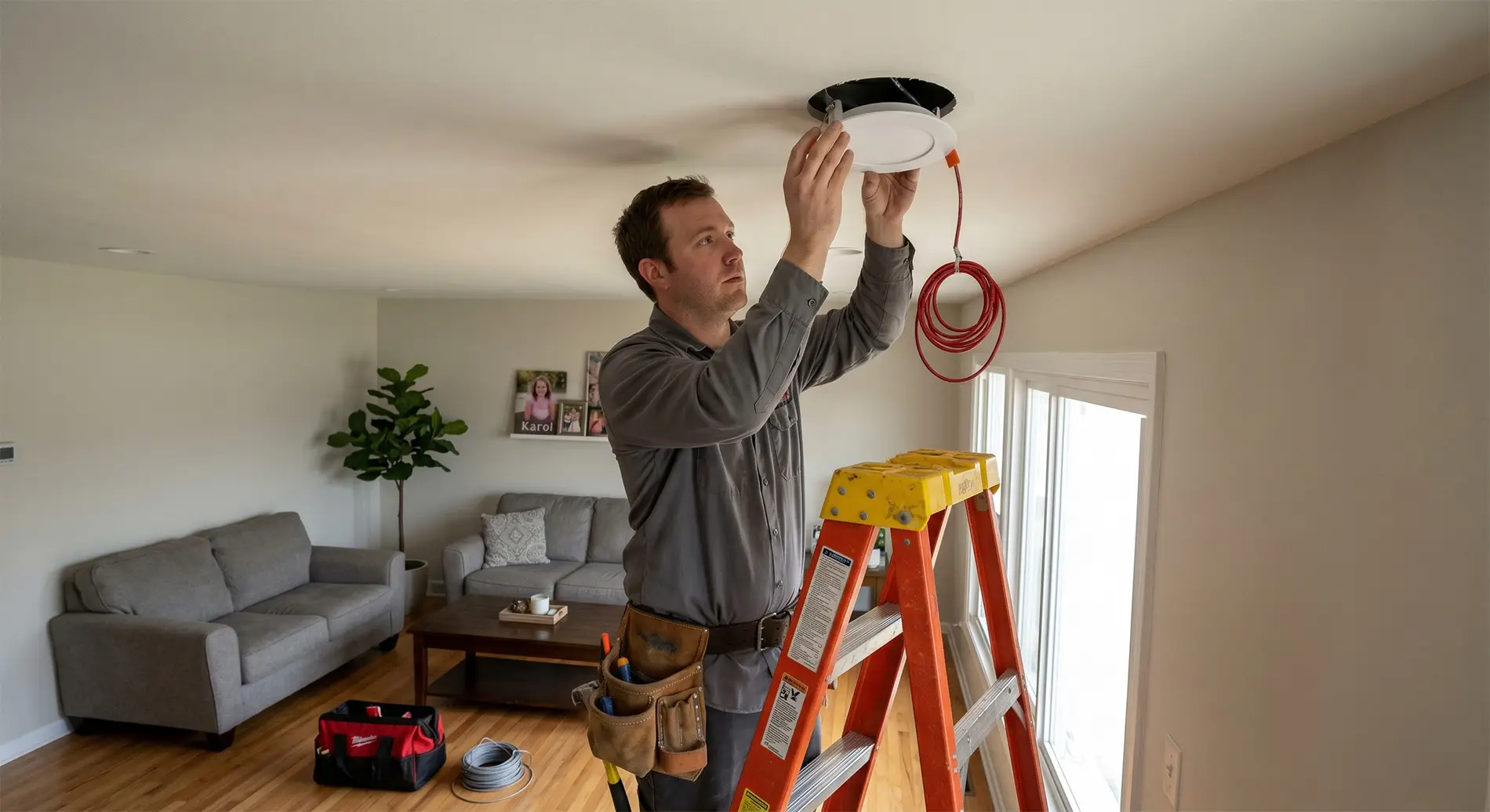
For decades, residential lighting was treated as a basic utility—a simple flip of a switch to keep the dark at bay. However, as we move through 2026, the way we illuminate our homes has undergone a massive revolution. Driven by breakthroughs in smart home technology, a renewed focus on mental and physical wellness, and the pressing need for energy efficiency amid rising utility costs, lighting has become the most transformative element of modern interior design. In this guide, we cover the smart home lighting trends every Chicagoland homeowner should know.
Table of Contents
Whether you are planning a complete gut rehab of a historic Chicago bungalow, updating a mid-century home in Hoffman Estates, or simply looking to modernize your Schaumburg property, upgrading your lighting infrastructure is one of the highest-ROI investments you can make.
As a premier lighting contractor and residential electrician in Schaumburg, IL, Energy Co. is at the forefront of these technological shifts. Here is our comprehensive guide to the top lighting and smart home trends of 2026, and how they can solve everyday problems in your home.
1. Human-Centric Lighting (HCL): Illuminating for Health and Sleep
The most significant trend in 2026 is Human-Centric Lighting (HCL). Science has definitively proven that the spectrum and intensity of light inside our homes directly impact our circadian rhythms—the internal clock that regulates sleep, mood, and productivity.
Prolonged exposure to harsh, blue-enriched light in the evening suppresses melatonin production, leading to insomnia and fatigue. Conversely, inadequate lighting during the day can cause sluggishness and eye strain. HCL solves this by utilizing tunable white LED technology that mimics the natural progression of the sun.
- Daytime: The system provides bright, cool-toned light (3500K–4500K) to enhance focus and energy—perfect for your home office.
- Evening: As the sun sets, the lights automatically transition to low-intensity, warm amber tones (2700K) that reduce blue light exposure, helping your brain prepare for deep, restorative sleep.
Implementing a true HCL system requires precise recessed lighting design and smart controllers. Our licensed electricians can retrofit your existing fixtures with tunable LEDs that automatically sync with the astronomical clock in Schaumburg.
2. Unified Smart Home Integration
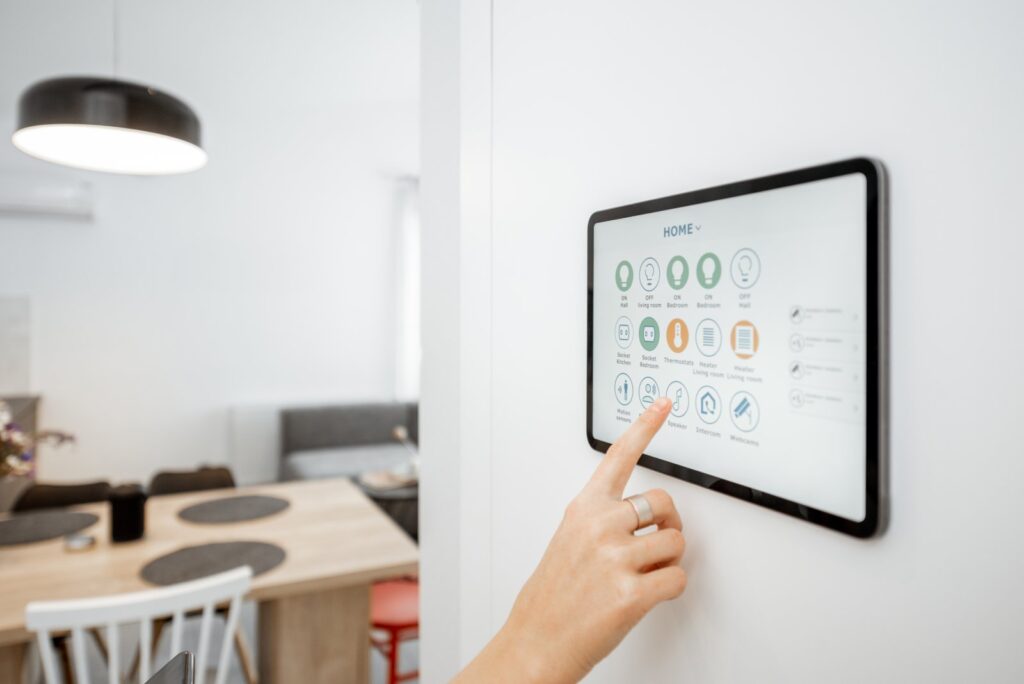
We are officially past the era of having five different apps to control the various smart devices in your house. In 2026, homeowners demand seamless, unified ecosystems. Smart home integration is no longer just a novelty for tech enthusiasts; it is a standard expectation that adds massive value to your real estate.
Through intelligent automation, your lighting can now communicate with your HVAC system, security cameras, and motorized shades. Imagine walking into your kitchen at 6:00 AM: the motion sensors detect your presence, the recessed lights gently fade up to 30% to avoid blinding you, the smart thermostat adjusts the temperature, and the coffee maker turns on.
As experts in smart home electrical services, Energy Co. ensures that the intricate wiring and data communication lines required for these unified systems are installed safely, hiding the technology behind the walls so all you see is clean, modern architecture.
3. Architectural and “Invisible” Lighting
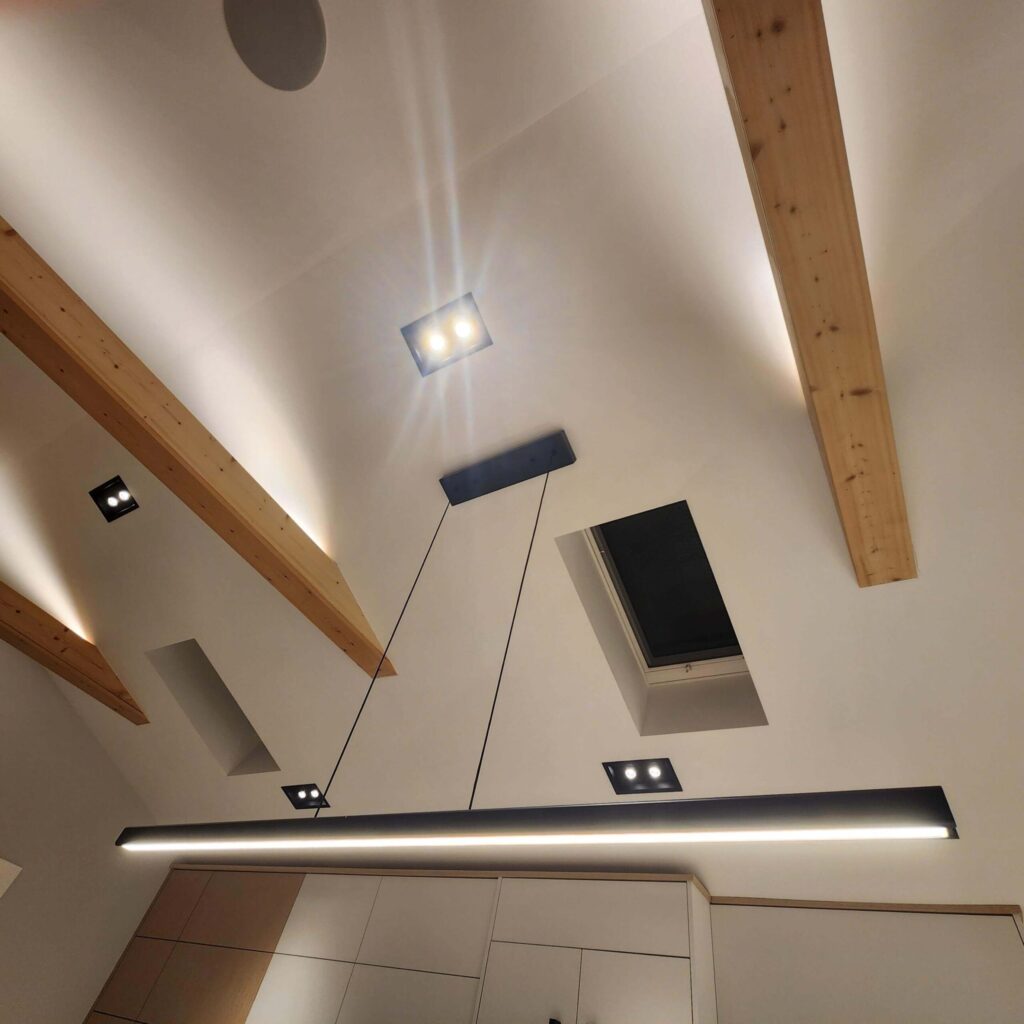
Minimalism is dominating 2026 interior design, leading to the rise of “invisible” lighting. Instead of bulky, outdated ceiling fixtures that clutter a room’s aesthetic, homeowners are opting for seamless integration.
- Canless Recessed Lighting: Ultra-thin LED wafer lights can be installed in ceilings with very little clearance, making them perfect for older Chicago-area homes or basement remodels where traditional “can” lights won’t fit.
- Layered Illumination: By combining soft ambient overhead lighting with hidden LED strip lighting under kitchen cabinets, along baseboards, or behind bathroom mirrors, you eliminate harsh glare and unnecessary shadows.
These architectural lighting designs make spaces feel larger, cleaner, and more luxurious. However, achieving this look requires running new, code-compliant wiring through finished walls and ceilings—a task that requires the precision of an experienced residential electrician.
4. Sustainability and Eliminating “Phantom Power”
With global electricity demand surging and wholesale power prices remaining volatile, energy efficiency is a top priority for Illinois residents. If your home is still utilizing legacy incandescent bulbs or early-generation CFLs, you are burning money every time you flip a switch.
A comprehensive LED lighting retrofit reduces lighting-related energy consumption by up to 80%. Furthermore, smart dimmers and occupancy sensors guarantee that lights are never left on in empty rooms. More importantly, smart lighting panels can eliminate “phantom power”—the electricity drained by devices and fixtures even when they appear to be turned off. By optimizing your home’s electrical load, you not only reduce your carbon footprint but also noticeably lower your monthly utility bills.
Don’t Risk a DIY Disaster
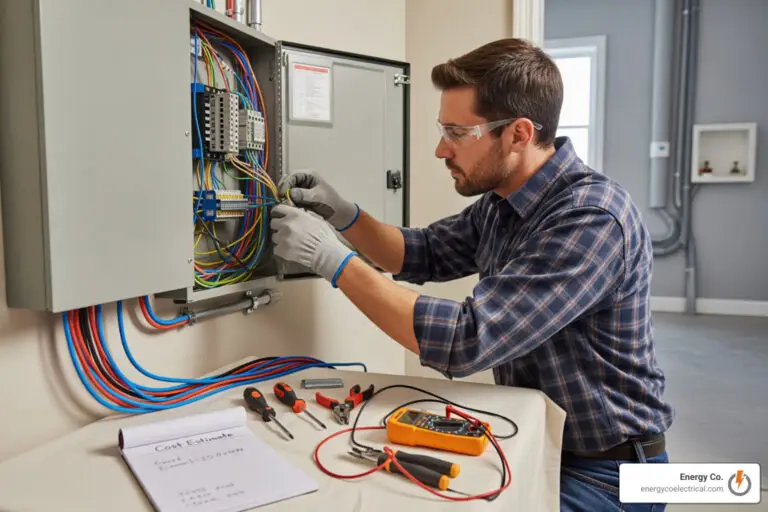
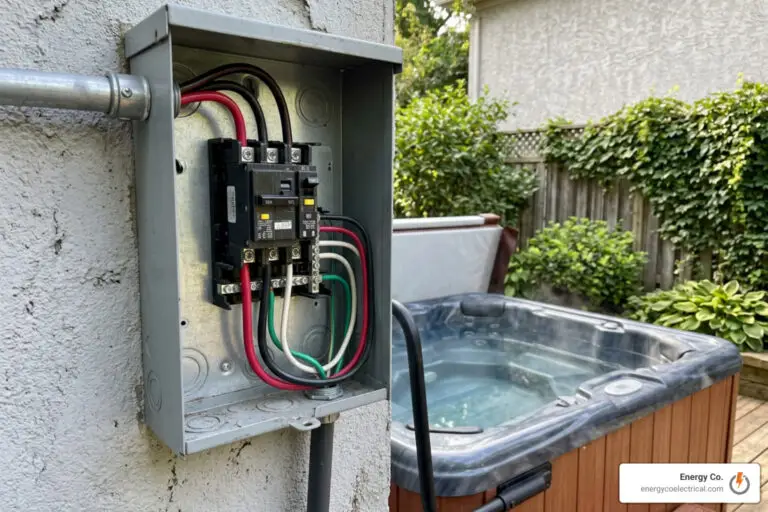
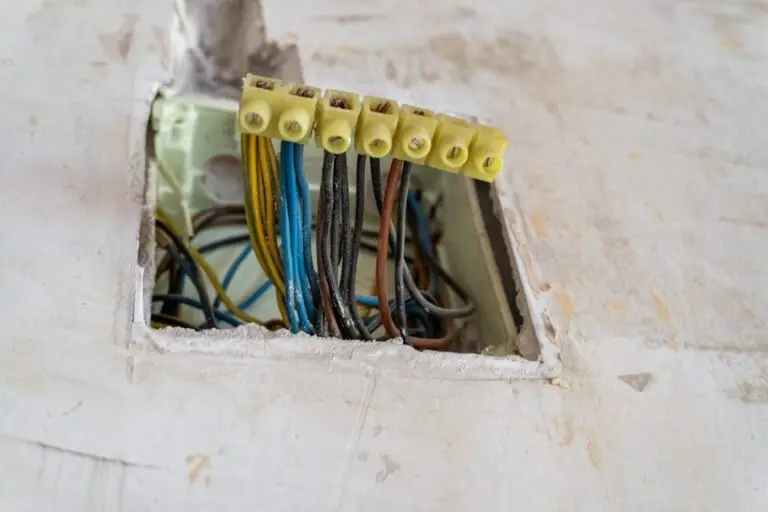
While buying smart bulbs online seems easy, true home transformation requires hardwired solutions. Upgrading your home to support advanced lighting ecosystems often requires installing new neutral wires at the switch boxes, splitting overloaded circuits, or even performing an electrical panel upgrade to ensure the new tech runs flawlessly without tripping breakers. Electrical work is incredibly dangerous, and DIY wiring is a leading cause of residential fires.
Upgrade Your Smart Home Lighting with Energy Co.
Ready to transform the way you see and feel inside your home? From aesthetic upgrades like retail-quality display lighting in your living room to the complex wiring of a whole-house smart system, the certified professionals at Energy Co. deliver flawless, code-compliant results.
Ready to upgrade? Learn more about our smart home integration and residential electrical services. To compare efficient bulbs and fixtures, check the ENERGY STAR product finder.