Rewiring: What It Means and Why It Matters for Your Home
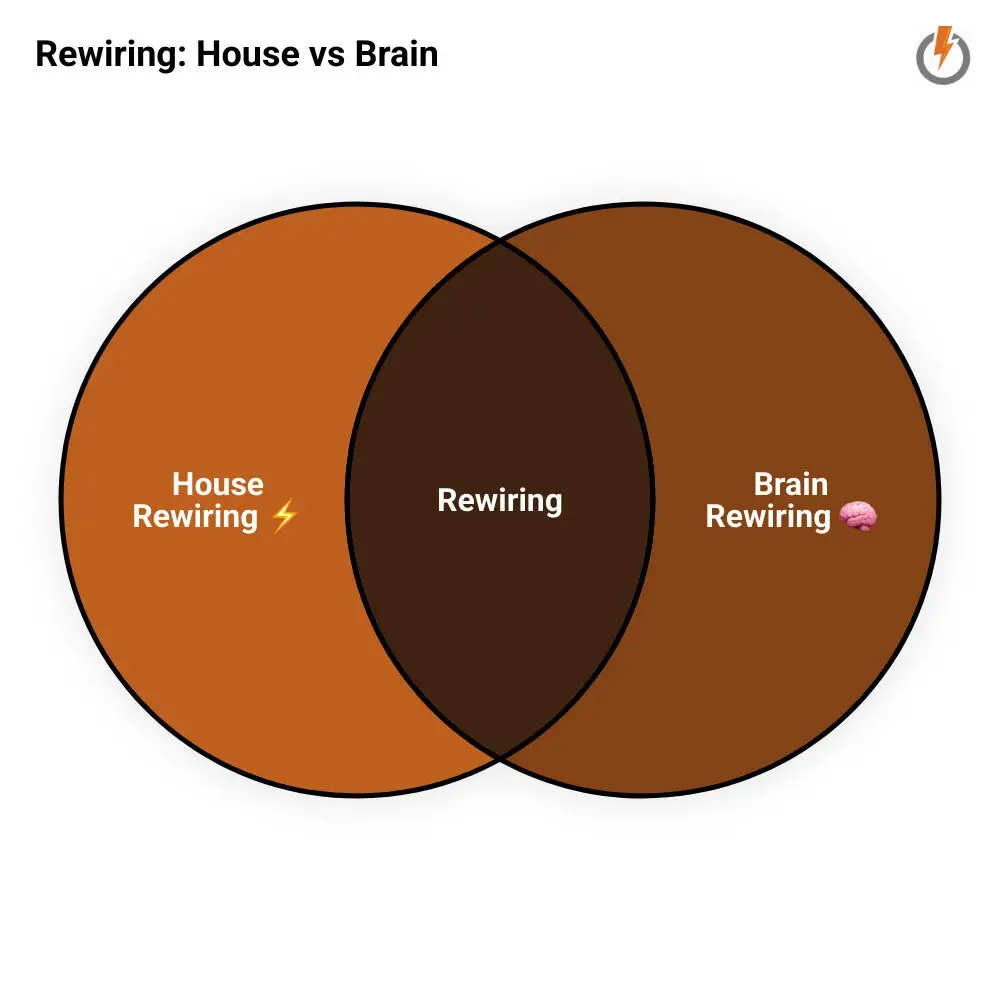
Rewiring is one of those words that shows up in two very different conversations — one about your home’s electrical system, and one about how the human brain changes over time.
Here’s a quick breakdown of both meanings:
| Context | What “Rewiring” Means |
|---|---|
| Electrical (home) | Replacing old or unsafe wiring, circuits, and panels in a building |
| Neurological (brain) | The brain forming new neural pathways through learning, habit, or recovery |
For most Chicago homeowners searching this topic, the urgent question is practical: Does my home need new wiring, and what will it cost?
The short answer:
- Signs you may need rewiring: flickering lights, tripped breakers, burning smells, or wiring older than 50 years
- Typical cost: $8,000–$20,000 for a full house rewire, depending on size and complexity
- Bottom line: Outdated wiring causes roughly 51,000 home fires every year in the U.S. — it’s not a problem to ignore
This guide covers both meanings in depth, but if you own an older home in the Chicago area, the electrical side deserves your attention first.
I’m Michał Napieralski, and with years of hands-on experience performing residential and commercial rewiring projects across the Chicago suburbs, I’ve seen how outdated wiring puts families and businesses at risk. Let’s walk through everything you need to know.
What Rewiring Means in Homes and in the Brain
At its simplest, rewiring means replacing or reshaping connections.
In a house, that means taking out outdated, damaged, or undersized electrical components and installing safer, code-compliant ones. In the brain, it refers to neuroplasticity, or the brain’s ability to adapt by strengthening, weakening, or creating neural pathways over time.
Same word, very different stakes:
- In your home, rewiring helps prevent shock, arcing, overloads, and fire.
- In your brain, “rewiring” describes learning, recovery, habit change, and adaptation.
Rewiring in the literal electrical sense
Electrical rewiring usually involves some combination of:
- Replacing branch circuit wiring
- Updating outlets and switches
- Installing grounded receptacles
- Replacing unsafe or obsolete materials
- Upgrading the service panel when needed
- Bringing parts of the electrical system closer to current code requirements
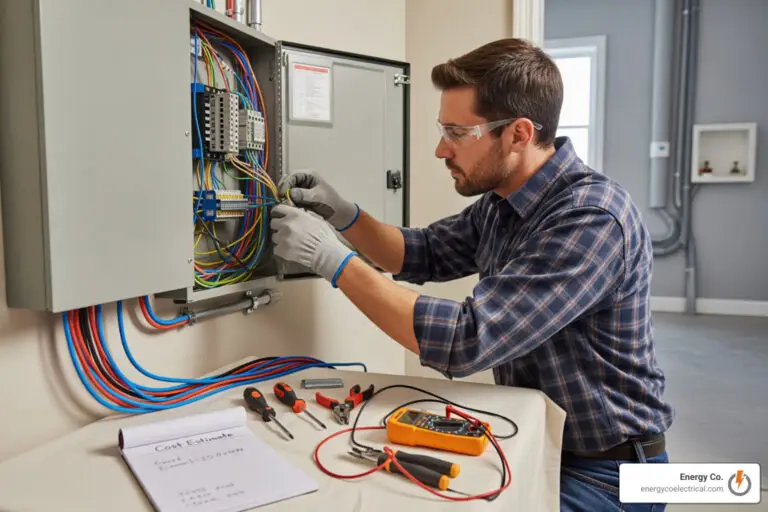
A true house rewire is bigger than swapping a few outlets. It often touches walls, ceilings, attics, crawlspaces, and the panel. In older Chicagoland homes, especially bungalows and long-owned houses with decades of add-ons, we often find a mix of old and newer wiring spliced together. That is where things get messy fast.
If your project also involves added electrical demand for EV chargers, heat pumps, induction cooking, or solar-ready upgrades, rewiring may go hand in hand with an Electrical Panel Upgrade or broader Residential Electrical Services.
Rewiring in the metaphorical brain sense
In brain science, rewiring is shorthand for neuroplasticity. The idea is real, but it is often oversimplified online.
Your brain changes through:
- Repetition
- Attention
- Practice
- Sleep and recovery
- Therapy or rehabilitation
- Learning new skills
- Reducing or changing old habit loops
For example, people can strengthen new habits, improve a skill through training, or recover some function after injury through rehab. Meditation and focused practice may also change patterns of attention and stress response over time. But this is not magic, and we will get into the limits later.
When House Rewiring Becomes Necessary
Many homeowners assume that if the lights still turn on, everything is fine. We wish that were always true.
A lot of dangerous wiring hides behind plaster and drywall, especially in older homes across Chicago and the Northwest Suburbs. Problems may stay invisible until you add one too many appliances, open up a wall during renovation, or smell that unmistakable “something’s wrong” odor near an outlet.
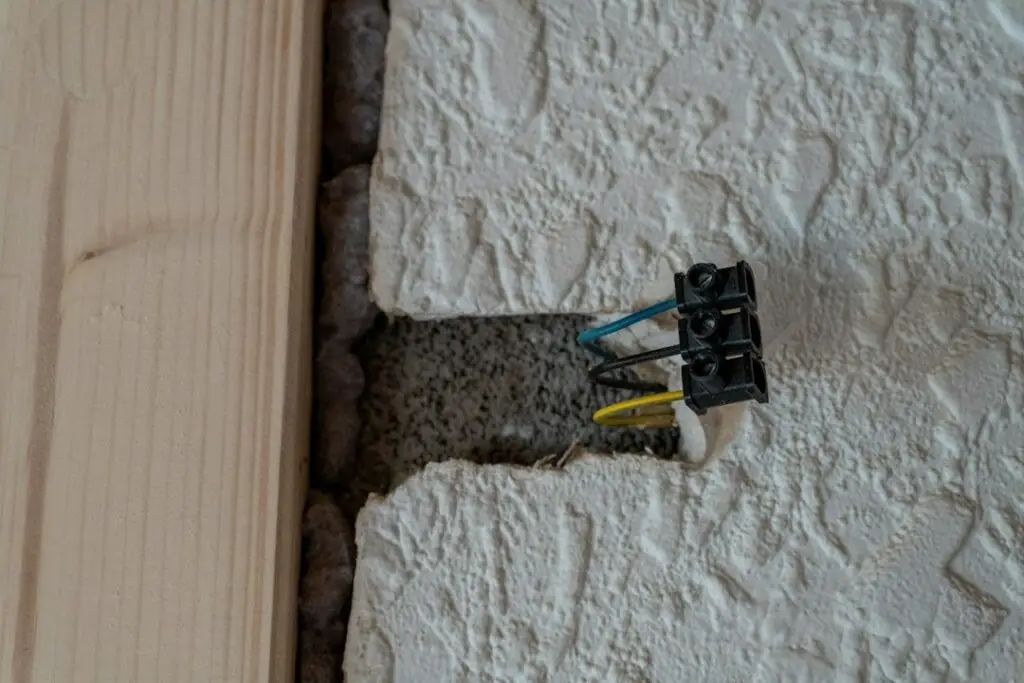
Common signs your home may need rewiring
Watch for these warning signs:
- Flickering or dimming lights
- Breakers that trip often
- Fuses blowing repeatedly
- Outlets or switches that feel warm
- Buzzing sounds from outlets, switches, or walls
- Burning smells with no clear source
- Discolored outlet covers
- Two-prong outlets with no grounding
- Not enough outlets, leading to heavy extension cord use
- Aluminum branch wiring
- Knob-and-tube wiring
- Visible frayed, cracked, or brittle insulation
Some older systems were never designed for today’s electrical loads. Microwaves, central air, gaming setups, home offices, EV chargers, and big kitchen appliances all add demand. Your house may be trying to run a 2026 lifestyle on a mid-century electrical skeleton.
Insurance and resale can also come into play. Outdated wiring types may make coverage harder to get or affect a buyer’s inspection report.
How long wiring lasts and what affects lifespan
Quality electrical wiring can often last 50 to 70 years when it was properly installed and has not been abused. But lifespan is not a guarantee.
Wiring ages faster when exposed to:
- Moisture
- Rodent damage
- Overloaded circuits
- Poor past repairs
- DIY modifications
- Heat buildup
- Frequent renovations that disturb old connections
A home can also have “old but okay” wiring in one area and dangerous conditions in another. That is why inspection matters. Age alone is not the only factor, but it is a major clue.
Safety risks of delaying rewiring
Delaying necessary rewiring is a gamble with bad odds.
Electrical failures are associated with about 51,000 home fires each year in the U.S., causing nearly 500 deaths and about $1.3 billion in property damage. Outdated wiring is one of the major contributors.
Red-flag symptoms you should not ignore:
- Burning odor from outlets or panels
- Sparking when plugging something in
- Repeated breaker trips on normal use
- Warm or scorched receptacles
- Lights dimming when appliances start
- Tingling sensation when touching metal fixtures
- Crackling inside walls
The biggest risks include:
- Electrical fire from overheated conductors or arcing
- Shock hazards from damaged insulation or poor grounding
- Appliance damage from unstable circuits
- Hidden failure inside walls where you cannot see the problem
This is also why we strongly recommend caution with amateur fixes. If you are tempted to patch a suspicious outlet yourself, read Electrical Repairs Dos And Donts For Beginners first, then call a licensed electrician anyway. Sometimes the bravest DIY move is putting the screwdriver down.
House Rewiring Costs, Incentives, and Budget Planning
Cost is usually the first question after safety, and understandably so.
The challenge is that online estimates vary because “rewiring” can mean anything from replacing one circuit to gutting and rebuilding the home’s entire electrical backbone.
Average cost to rewire a house in 2026
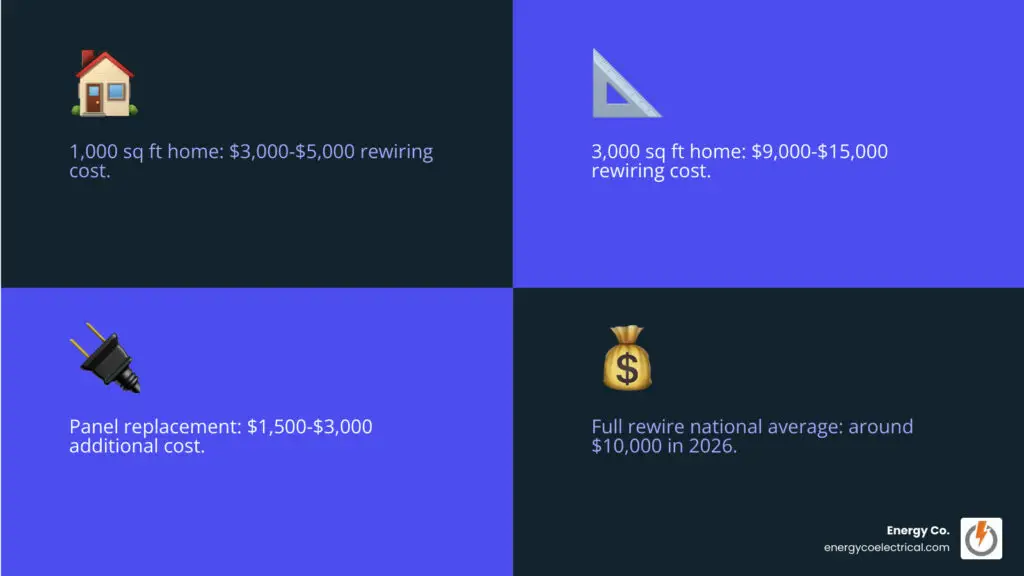
Based on the research, a full house rewire commonly falls in the range of $8,000 to $20,000, with a national average around $10,000. Other estimate models put rewiring at roughly $2 to $4 per square foot, and some partial-job pricing is measured at about $800 to $1,500 per circuit.
Typical examples:
- 1,000-square-foot home: about $3,000 to $5,000
- 3,000-square-foot home: about $9,000 to $15,000
- Panel replacement: about $1,500 to $3,000
- Complex older or larger homes: $20,000 or more
Here is a simple comparison:
| Project Type | Typical Scope | General Cost Range |
|---|---|---|
| Partial rewiring | One area, several circuits, or hazard correction | $2,000-$8,000 |
| Whole-house rewiring | Most or all branch circuits and devices | $8,000-$20,000+ |
| Panel replacement only | New electrical panel without full rewire | $1,500-$3,000 |
| Single circuit rewiring | Replace one dedicated or branch circuit | $800-$1,500 |
These are broad planning numbers, not quotes. In Chicagoland, older construction methods and access issues can push real costs higher.
What makes rewiring more or less expensive
The biggest cost factors are:
- Square footage
- Age of the home
- Accessibility of walls, ceilings, attic, and crawlspace
- Whether the house is occupied during work
- Plaster versus drywall
- Need for panel upgrade
- Permit and inspection requirements
- Number of outlets, switches, and fixtures
- Whether service capacity must increase
- Finish and patching expectations after wall access
Plaster walls are a common cost driver in older Chicago-area homes because opening and restoring them is slower and trickier than working in newer drywall. Tight crawlspaces, finished basements, and limited attic access can also add labor.
If you are planning a remodel, it may be smart to combine projects. Rewiring during renovation is often more efficient than opening finished surfaces twice.
Rebates, financing, and electrification-related incentives
Rewiring by itself is not always rebate-eligible, but related upgrades sometimes are.
For example, incentives may be tied to:
- Panel upgrades
- Home electrification projects
- EV charging preparation
- Heat pump installation
- Energy-efficiency improvements
This matters because many rewiring projects happen when a home is being modernized to support new all-electric equipment. Broader electrification efforts have a climate angle too: research cited above notes that electrifying homes could erase nearly half of U.S. energy-related carbon emissions.
A good starting point is understanding how wiring fits into electrification planning. This Rewiring and electrification overview explains the connection, and if your service capacity is part of the issue, here is More info about panel upgrades.
Financing options may include:
- Contractor financing programs
- Home improvement loans
- HELOCs
- Packaging electrical work into a larger renovation loan
We usually tell homeowners to budget for:
- The electrical scope itself
- Permit fees
- A 10% to 20% contingency for surprises in older homes
How a Professional Rewiring Project Works
A professional rewire is not one dramatic moment where the whole house goes dark and sparks fly like a movie scene. It is a planned, phased process focused on safety, code compliance, and minimizing disruption.

Step-by-step rewiring process
A typical rewiring project looks like this:
Inspection and assessment
We inspect the existing system, identify outdated or unsafe wiring, evaluate panel capacity, and determine whether a partial or full rewire makes more sense.Project planning
We map circuits, prioritize safety issues, and create a scope based on the home’s layout, access points, and electrical needs.Permits
Rewiring usually requires permits and inspections. In Chicago-area communities, local requirements matter, and skipping permits is never the clever shortcut people think it is.Site preparation
Furniture may need to move, floors may be protected, and selected wall or ceiling access points are opened.Remove or bypass old wiring
Depending on the system and accessibility, old wiring may be removed where practical or disconnected and left safely out of service.Install new cable and devices
New wiring is run to outlets, switches, fixtures, appliances, and dedicated circuits. Grounding and bonding are addressed as required.Upgrade the panel if needed
Many rewiring jobs also need service or panel improvements to support modern electrical loads.Testing and labeling
Circuits are tested for continuity, grounding, polarity, load performance, and safety.Inspection and closeout
The work is inspected, corrections are made if needed, and the project is documented.
For a broader homeowner-friendly overview, see this Homeowner guide to rewiring.
How to prepare for a rewiring project
Preparation makes the project smoother for everyone.
We recommend:
- Clearing access to walls, outlets, and the electrical panel
- Moving fragile items and valuables
- Planning for dust and some noise
- Asking about temporary power interruptions
- Setting aside a budget buffer
- Discussing whether you will stay in the home during the work
- Coordinating the rewire with any remodeling, painting, or patching
Timeline depends on the size and complexity of the house. A targeted partial rewire may take a few days. A whole-house rewire can take significantly longer, especially in older occupied homes with plaster walls.
If you are in Chicago, Schaumburg, Hoffman Estates, Elk Grove Village, Rolling Meadows, Palatine, Roselle, Streamwood, Hanover Park, Arlington Heights, Mount Prospect, Cicero, or nearby areas, older housing stock can add complexity. That is where local experience helps.
Is rewiring a DIY job or should you hire a pro?
For actual house rewiring, hire a licensed professional.
This is not us being dramatic. It is about:
- Fire risk
- Shock hazards
- Permits and inspections
- Local code compliance
- Insurance implications
- Hidden conditions inside walls
- Safe panel work
DIY homeowners can sometimes handle cosmetic tasks or post-project patching, but electrical rewiring itself should be done by trained electricians. Even experienced handypeople should think twice before touching service equipment or concealed branch circuits.
If you are weighing your options, learn more about Residential Electrical Services and our broader Our Services.
Rewiring Your Brain: What Neuroplasticity Can and Cannot Do
Now for the other kind of rewiring.
The phrase “rewiring your brain” is popular because it is catchy and hopeful. It is also grounded in real science, but social media tends to sell it like a software update. Human brains are more complicated than that.
How “rewiring your brain” actually works
Neuroplasticity refers to the brain’s ability to change through experience. That can include:
- Strengthening pathways you use often
- Weakening pathways you use less
- Building new patterns through practice
- Recovering functions through rehabilitation
- Changing behavior through repetition and feedback
Examples include:
- Learning a language
- Building a new exercise habit
- Recovering some skills after injury
- Reducing stress responses through training or therapy
- Improving attention through repeated practice
What supports neuroplastic change:
- Consistent repetition
- Focused attention
- Sleep
- Good recovery
- Gradual challenge
- Emotional relevance
- Professional support when needed
In other words, brain rewiring is less “one weird trick” and more “boringly consistent effort over time.” Not as flashy, but far more accurate.
Limits and myths about rewiring your brain
Common misconceptions include:
- “You can completely change anything instantly.”
- “Positive thinking alone rewires everything.”
- “If change is slow, you are failing.”
- “Severe conditions can be solved without medical or therapeutic help.”
Real limits matter. Biology matters. Trauma matters. Mental health conditions, addiction, neurological disorders, and brain injuries often require professional treatment, not just motivational slogans.
A better way to think about it:
- The brain can adapt, but not infinitely
- Change is usually gradual, not instant
- Support systems matter
- Some conditions improve with therapy, rehab, medication, or structured treatment
- Habits can change, but relapse and setbacks are normal
So yes, the brain can “rewire.” No, it is not a magic wand.
Frequently Asked Questions About Rewiring
Can you live in a house during rewiring?
Sometimes, yes. Often, with inconvenience.
It depends on:
- Whether the project is partial or full
- How much wall access is needed
- Whether temporary power can be maintained
- Your tolerance for dust, noise, and workers moving through the house
For phased projects, homeowners can often remain in the home while work happens room by room. For extensive rewires, especially with major panel work or widespread wall opening, temporary relocation may be more comfortable.
Is partial rewiring enough, or do you need a full rewire?
Sometimes partial rewiring is enough. Sometimes it is not.
Partial rewiring may work when:
- The issue is limited to one area
- A renovation affects only part of the home
- Specific hazardous wiring types are isolated
- The rest of the system is in acceptable condition
A full rewire may be better when:
- The wiring is broadly outdated
- Problems show up in multiple rooms
- The panel is undersized
- Grounding is insufficient throughout
- You are planning major modernization anyway
The right answer comes from an inspection, not a guess.
Do older Chicago-area homes need special rewiring considerations?
Absolutely.
In Chicago and nearby suburbs, older homes often come with:
- Plaster walls
- Limited cavity access
- Mixed generations of wiring
- Older service sizes
- Previous DIY or piecemeal work
- Added load from modern appliances not considered in the original design
That is why local experience matters. At Energy Co., we work on homes and buildings throughout Chicagoland and understand the quirks older properties bring. If you want to learn more about our background and approach, visit About Us or read Reliable Electrical Services In Chicago Why Energy Co Is Your Local Expert. You can also explore Chicago Electrician What You Need To Know for more local context.
Conclusion
Rewiring can mean replacing unsafe electrical systems in a home or reshaping neural pathways in the brain. Both are real. But for most homeowners in Chicago and the surrounding suburbs, the urgent issue is electrical safety.
If your home shows signs like flickering lights, warm outlets, frequent breaker trips, or visibly outdated wiring, do not wait for a bigger problem to make the decision for you. A well-planned rewire can improve safety, support modern appliances, protect resale value, and give you peace of mind.
At Energy Co., we provide residential, commercial, and industrial electrical services across Chicagoland, with deep experience in older homes and buildings. If you are planning a rewire, panel upgrade, repair, or larger modernization project, start with the right scope and the right team.
Explore More info about our services, learn about More info about commercial wiring, or see how rewiring connects with solar readiness in Wiring Your Chicago Home For Solar Dont Get Your Wires Crossed.
Safety first. Guesswork last. That is a pretty good rule for both houses and brains.