Why Basic Electrical Installation Work Is a Skill Every Property Owner Should Understand
Basic electrical installation work covers everything from wiring outlets and fitting consumer units to laying conduit and connecting distribution boards — the foundational tasks that keep homes and businesses powered safely.
Here’s a quick overview of what it involves:
- Understanding core concepts — current, voltage, resistance, and power
- Reading electrical drawings — layout plans and schematic diagrams
- Installing components — consumer units, cables, switches, sockets, and circuit breakers
- Applying safety rules — following BS 7671 Wiring Regulations and health and safety law
- Testing and commissioning — verifying the system is safe before energizing
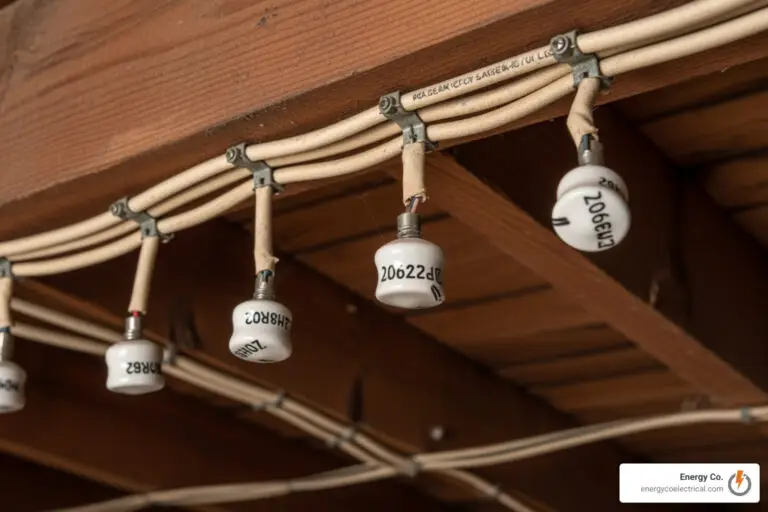
Whether you own an older Chicago-area home with aging wiring or manage a commercial space that needs an urgent upgrade, knowing the basics helps you ask the right questions, spot warning signs early, and work confidently with licensed electricians.
The stakes are real. Over 40,000 accidents are reported to the HSE each year from building-related activities — and many involve electrical work done without the right knowledge or precautions.
I’m Michał Napieralski, a licensed electrician with hands-on experience in basic electrical installation work across both residential and commercial properties throughout the Chicago suburbs. In this guide, I’ll walk you through everything you need to understand electrical installations — from first principles to safe working practices.
The Electrotechnical Industry: Organizations, Roles, and Employment Rights
The electrotechnical industry is a massive, highly regulated sector structured to ensure that power is generated, distributed, and consumed safely. Electrotechnical activities are carried out by a variety of organizations, ranging from massive power utility companies to specialized local contracting firms.
If you are looking to enter the trade, the educational pathway often begins with structured vocational qualifications. For example, the City & Guilds Level 1 Diploma is designed for those with no prior experience, teaching fundamental fabrication, wiring, and safety techniques. From there, many progress to advanced credentials like the Basic Electrical Installation Work 2365 Edition – Amazon.com textbook curriculum or the rigorous NVQ Level 3 programs.
Apprentice programs are the lifeblood of the industry. More than 8,000 young people are in apprenticeships in the electrical contracting industry each year, learning the physical skills of the trade while earning a wage.
Employment rights in this industry have come a long way since the historical Factories Act of 1833 (which restricted the working week for children to a “mere” 69 hours!) and the Health and Morals of Apprentices Act of 1802. Today, workers enjoy robust rights governing wages, tax, working hours, holidays, and safety. Under modern regulations, electrical workers are protected by clear contracts, maximum working hours, guaranteed paid leave, and strict tax compliance systems (such as PAYE or subcontractor tax schemes) to ensure everyone is treated fairly and compensated properly.
Key Roles and Professional Bodies in Electrical Work
Within any electrical project, tasks are split among specialized roles to keep operations running smoothly:
- Apprentices/Trainees: Learn basic wiring, install containment, and support qualified pros.
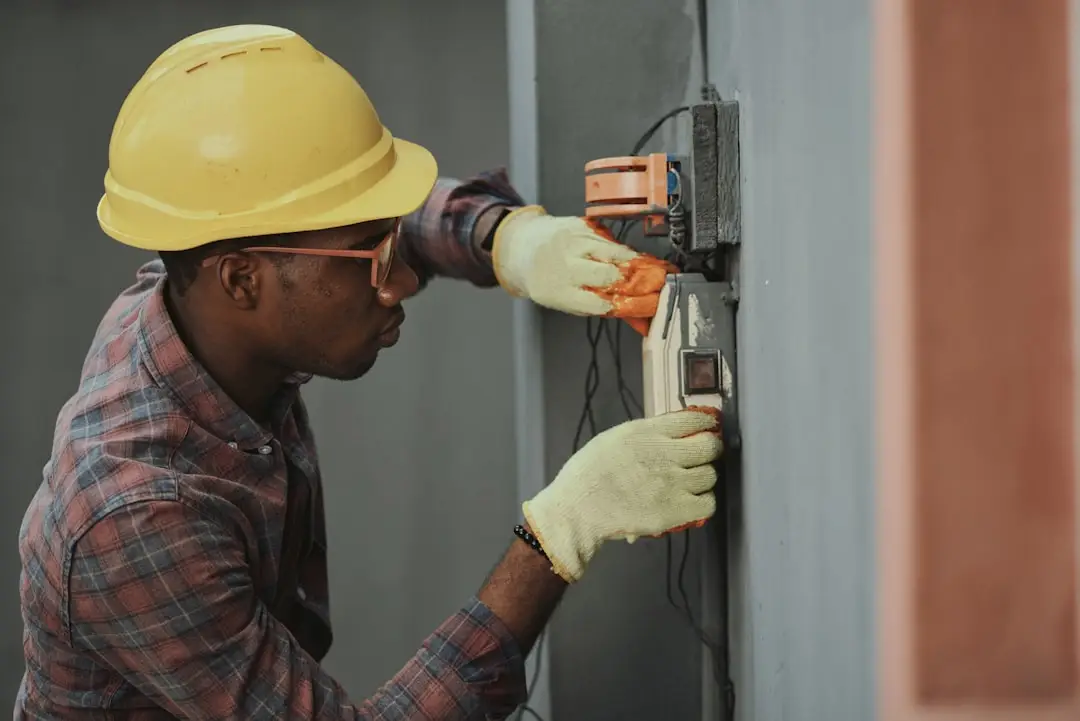
- Electricians (Journeymen/Installers): Carry out the physical installation, pull cables, wire distribution boards, and perform testing.
- Supervisors/Foremen: Oversee site operations, ensure compliance with building plans, and manage safety risk assessments.
- Electrical Engineers/Designers: Plan the electrical layouts, calculate load requirements, and specify protective devices.
To maintain high standards, several professional bodies support electrotechnical organizations and workers. The Joint Industry Board (JIB) regulates grading, wages, and welfare benefits across the sector. The Electrical Contractors’ Association (ECA) represents the interests of electrical design and installation companies, while the Institution of Engineering and Technology (IET) publishes the official wiring standards.
When you hire professionals, you want to ensure they are backed by proper training and recognized standards. To see how we structure our on-site teams and qualifications, you can explore Our Services.
Services Provided to Consumers and Industry
The electrotechnical industry provides essential services that power our modern lives. These services are generally split into two main categories:
- Residential Wiring: Designing and installing systems for houses, apartments, and multi-family homes. This includes everything from simple socket installations to full-scale home renovations and Power Up Your Ride with a Home EV Charging Station installations.
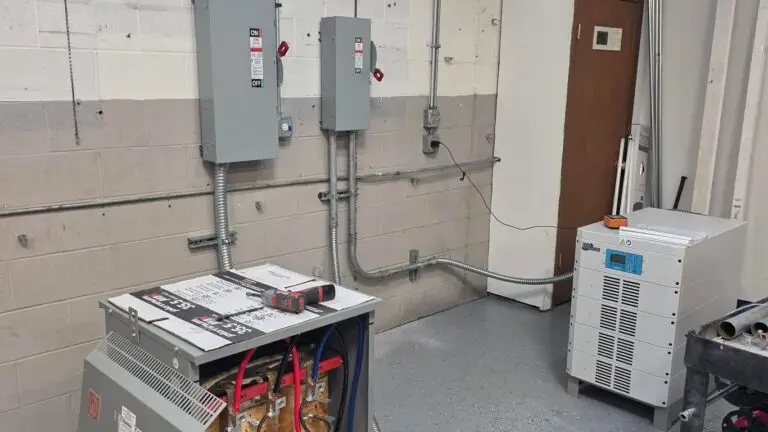
- Industrial and Commercial Power: Outfitting large facilities, offices, and factories with heavy-duty power systems, high-voltage distributions, three-phase machinery connections, and robust data networks.
To learn more about how these specialized services are tailored to different property types, check out our comprehensive guides on Residential Electrical Services and Commercial Electrical Services.
Fundamental Principles of Basic Electrical Installation Work
Before stripping any cables or mounting conduit, we must understand the invisible forces at play. Electricity behaves much like water flowing through a pipe, and we measure its behavior using four fundamental properties:
- Current (I): Measured in Amperes (Amps/A), current is the actual flow of electric charge (electrons) through a conductor.
- Voltage (V): Measured in Volts (V), voltage is the electrical pressure or potential difference that pushes the current through the circuit.
- Resistance (R): Measured in Ohms ($Omega$), resistance is the opposition to the flow of current. Materials like copper have very low resistance (conductors), while rubber and plastic have incredibly high resistance (insulators).
- Electrical Power (P): Measured in Watts (W), power is the rate at which electrical energy is consumed or converted into another form of energy (like light or heat).
These properties are bound together by Ohm’s Law, which states that voltage is equal to current multiplied by resistance ($V = I times R$). Similarly, electrical power is calculated by multiplying voltage by current ($P = V times I$).
To understand how these principles apply to different types of electrical supplies, let’s compare the three main supply types:
| Supply Type | Current Type | Common Voltage | Primary Use Case |
|---|---|---|---|
| Direct Current (DC) | Flows in one direction | Variable (often 5V, 12V, 24V) | Electronics, batteries, solar panels, and low-voltage systems |
| Single Phase AC | Alternates direction | 120V (US) / 230V (UK/EU) | Standard household appliances, lighting, and convenience outlets |
| Three Phase AC | Three alternating currents | 208V/480V (US) / 400V (UK/EU) | Heavy machinery, industrial plants, and commercial buildings |
Understanding DC, Single Phase, and Three Phase AC Supplies
Direct Current (DC) flows continuously in a single direction. It is the standard for battery-powered devices, modern electronics, and low-voltage wiring. For instance, if you are planning a low-voltage project, understanding how low-voltage DC systems are integrated into modern commercial properties is essential for data and network stability.
Alternating Current (AC) constantly reverses its direction, usually 50 or 60 times per second (Hertz/Hz).
- Single Phase AC uses two wires (a live/hot phase and a neutral). It is the standard supply brought into residential homes.
- Three Phase AC uses three separate active phases, offset in time. This provides continuous, highly efficient power delivery without the “pulsing” nature of single-phase systems, making it perfect for running heavy industrial motors.
Voltage supplies must remain within strict, legally permitted tolerances to prevent damage to equipment. For example, the permitted voltage tolerance for UK supplies is 10% of the declared nominal voltage, giving a safe working range of 216V to 253V for a nominal 230V supply.
In commercial settings, managing these different phases and voltage demands requires highly structured planning. You can read more about how commercial systems are balanced in The Complete Guide to Commercial Wiring.
Earthing, Neutral, and Protective Devices in Basic Electrical Installation Work
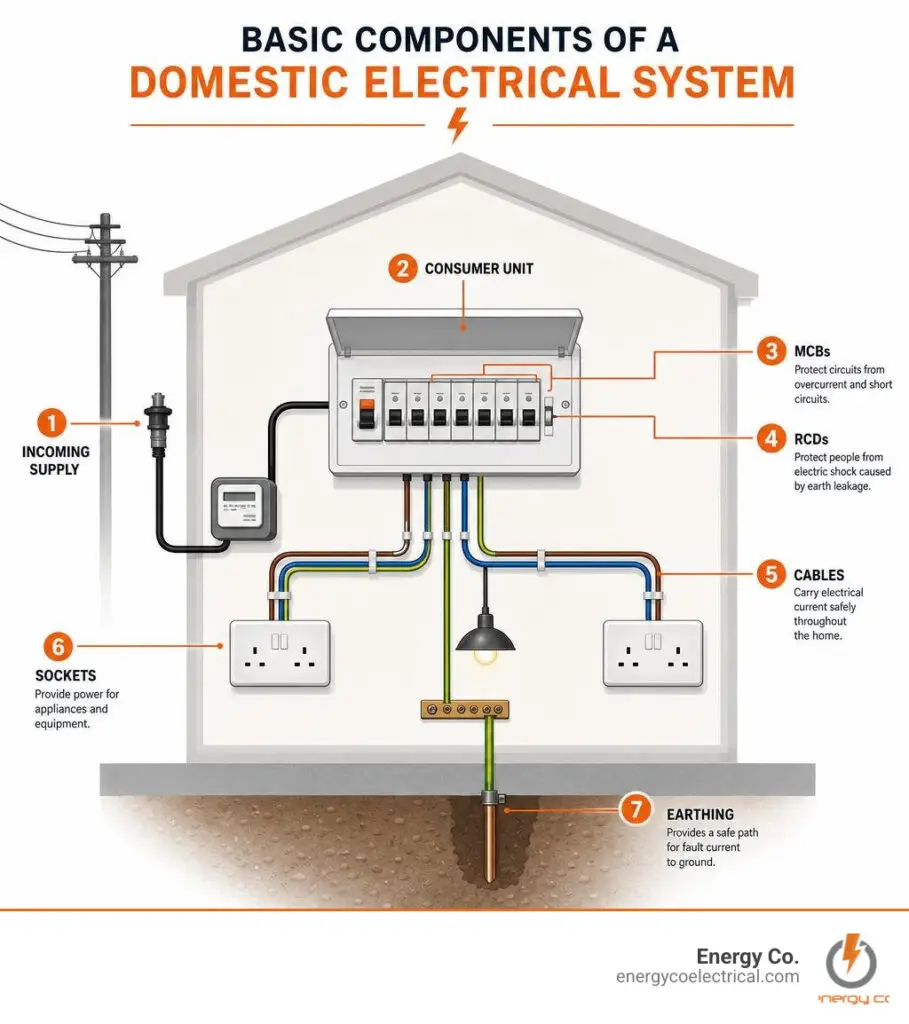
Electricity always seeks the path of least resistance to return to its source. In a properly functioning circuit, current travels along the live (hot) wire, does its work in the appliance, and returns safely via the neutral conductor.
However, if a fault occurs — such as a loose live wire touching the metal casing of a washing machine — the metal chassis becomes energized. If you touch it, you become the path to the ground, resulting in a severe or fatal shock.
To prevent this, we install an earthing (grounding) system. The earth wire provides a highly conductive, low-resistance path from the metal casing directly back to the ground. Because electricity prefers the low-resistance copper earth wire over your body, the fault current rushes down the earth wire instead.
This sudden surge of current trips our protective devices:
- Miniature Circuit Breakers (MCBs): Protect cables from overcurrent and short circuits by magnetically or thermally tripping when the current exceeds safe limits.
- Residual Current Devices (RCDs) / Residual Current Circuit Breakers (RCCBs): Life-saving devices that constantly monitor the balance of current between the live and neutral wires. If they detect an imbalance as tiny as 30 mA (indicating current is escaping, possibly through a person), they cut the power in milliseconds.
If your property still relies on an outdated fuse box without these modern safety devices, it is highly recommended to schedule an Electrical Panel Upgrade to protect your family or employees from fire and shock hazards.
Planning and Executing a General Electrical Installation
Carrying out basic electrical installation work requires a meticulous, step-by-step approach. You cannot simply wing it on-site; every step must be planned on paper first.
A professional installation follows these core phases:
- Reviewing Layout Drawings and Schematic Diagrams: Understanding where every outlet, light switch, and distribution board will sit relative to the building’s architectural features.
- Developing Material Specifications: Determining the exact cable sizes, conduit lengths, and types of protective devices needed based on expected electrical loads. For a deep dive into the theoretical calculations behind this, the textbook Basic Electrical Installation Work, Fifth Edition serves as an industry-standard training reference.
- Site Preparation: Verifying that the building structure is ready, establishing secure material storage, and coordinating with other trades (like plumbers and carpenters) to avoid drilling into pipes or structural beams.
The Work Scope of a General Electrical Installation
Once planning is complete, the physical installation work begins. The work scope generally unfolds in this sequence:
- First Fix (Containment and Cabling):
- Laying PVC or steel conduits and trunking to protect the wiring.
- Installing metal or plastic mounting boxes for switches and sockets.
- Pulling the appropriate cables (thermosetting, PVC flat profile, or armored SWA cables) through the containment.
- Second Fix (Accessories and Connections):
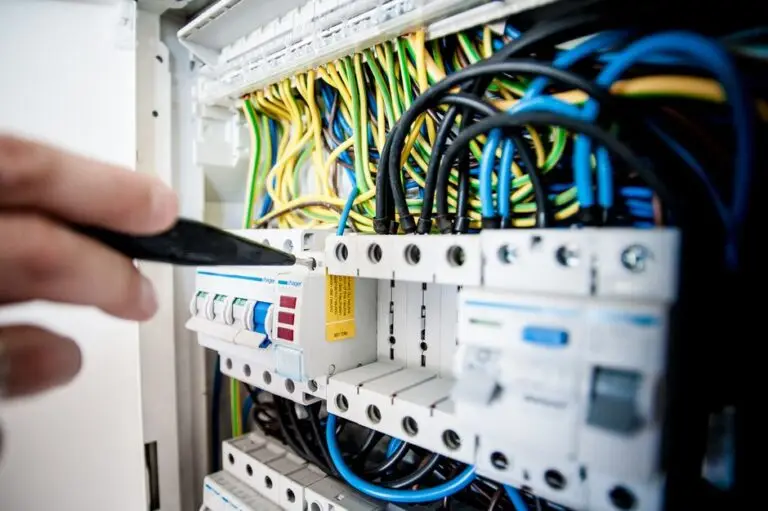
- Installing the main consumer unit or distribution boards.
- Connecting the cables to switches, sockets, light fixtures, and appliances.
- Installing the main earth electrode to secure the grounding path.
- Testing and Commissioning:
- Conducting dead and live tests (continuity, insulation resistance, polarity, and loop impedance) to ensure the system is flawless.
- Energizing the system and issuing an official test certificate.
As technology evolves, modern installations often integrate automated controls during the second-fix stage. If you are interested in upgrading your property’s convenience alongside its wiring, take a look at our guide on Smart Home Integration.
If you are looking for localized services in the Northwest Suburbs or Cook County, working with a licensed local electrician ensures your project meets all local safety standards and building codes.
Statutory Regulations and the IEE Wiring Regulations (BS 7671)
All electrical installation work must comply with strict legal standards to ensure safety:
- BS 7671 (The IET Wiring Regulations): The national standard in the UK for electrical installations. It is updated regularly to incorporate new safety developments, such as rules for LED lighting and electric vehicle charging points.
- Electricity at Work Regulations 1989: A statutory law requiring all electrical systems to be constructed and maintained in a safe condition to prevent danger.
- Part P of the Building Regulations: A statutory rule in the UK requiring domestic electrical installations to be designed and installed to protect people from fire and electric shocks.
- Local Municipal Codes: If you are working in the US, particularly in the Chicagoland area, installations must conform to local building laws. For example, the local municipal electrical codes outline strict requirements for using metallic conduit (EMT) rather than flexible Romex cable in local municipalities like Streamwood, Illinois.
Whether you need residential support or heavy-duty commercial and industrial services, ensuring your installer is fully licensed and compliant with these local and national codes is vital.
Health, Safety, and Emergency Procedures on Site
The electrotechnical industry can be hazardous. With over 40,000 building-related accidents reported to safety authorities every year, maintaining a strict safety culture is a legal and moral obligation for both employers and employees.
Under safety laws like the Health and Safety at Work Act, employers must provide a safe working environment, proper safety gear, and structured training. Meanwhile, employees have a legal duty to take reasonable care of themselves and others, cooperate with safety instructions, and report any hazards immediately.
Key safety processes include:
- Risk Assessments: Evaluating hazards before starting any task on site.
- COSHH (Control of Substances Hazardous to Health): Safely managing exposure to hazardous materials like solvents, adhesives, or silica dust.
- Noise Control: Keeping continuous noise exposure below the recommended limit of 85 dB for an 8-hour working day to prevent permanent hearing damage.
- Safe Isolation Procedures: The absolute golden rule of electrical work. Before touching any circuit, it must be safely isolated, locked off with a physical padlocked device, tagged with a warning label, and tested with a proven voltage indicator to confirm it is dead.
For professional qualifications such as The C&G 2357 Level 3 NVQ Diploma in Installation – Unit 315, candidates must provide documented evidence of performing these safe isolation procedures and risk assessments on multiple separate occasions to prove their competence.
Safety Equipment, PPE, and Signage in Basic Electrical Installation Work
Personal Protective Equipment (PPE) is your last line of defense on a job site. Standard electrical PPE includes:
- Insulated Tools: Screwdrivers and pliers rated up to 1000V to prevent accidental shock.
- Safety Boots: Steel-toe boots with electrical hazard (EH) rated soles.
- Safety Glasses: To protect against flying debris, plaster dust, or copper clippings.
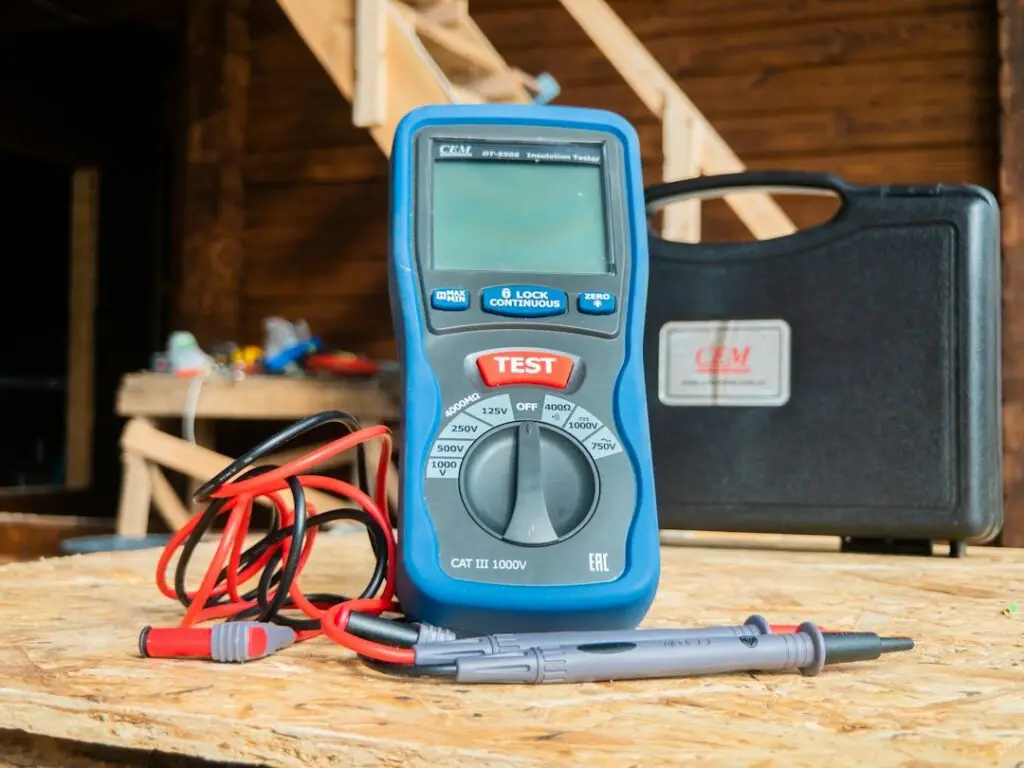
- Voltage Detectors: Handheld testers to double-check that lines are dead before touching them.
Additionally, safety signs are color-coded to communicate hazards quickly:
- Red (Prohibition): “Do Not Touch” or “No Access.”
- Yellow (Warning): “Danger: High Voltage.”
- Blue (Mandatory): “Eye Protection Must Be Worn.”
- Green (Safe Condition): “First Aid Station” or “Emergency Exit.”
Fire Safety, First Aid, and Accident Reporting
When working with electricity, fires are a constant risk. Fires are categorized into different classes, and using the wrong extinguisher can be fatal:
- Class A (Solid combustibles like wood/paper): Water or foam extinguishers.
- Electrical Fires (Involving live equipment): Never use water! Use Carbon Dioxide (CO2) or dry powder extinguishers, which do not conduct electricity.
- Class B (Flammable liquids): Foam, dry powder, or CO2.
Every workplace must have accessible first aid kits and designated first aiders. If an accident does occur, it must be recorded in the site’s Accident Book. Serious incidents, such as major injuries or dangerous electrical shorts, must be reported to national safety authorities under reporting regulations like RIDDOR (Reporting of Injuries, Diseases and Dangerous Occurrences Regulations).
Frequently Asked Questions about Electrical Installations
What is the lethal level of electric shock?
The lethal level of electric shock is approximately 50 mA (milliamps). At this threshold, the electrical current passing through the chest can cause ventricular fibrillation — a condition where the heart flutters uselessly instead of pumping blood. This is why safety devices like RCDs are designed to trip at a much lower 30 mA within milliseconds to cut off the power before a shock becomes fatal.
How many apprentices enter the electrical contracting industry each year?
More than 8,000 young people enter apprenticeships in the electrical contracting industry each year. These apprentices combine classroom learning (such as City & Guilds programs) with on-the-job training, ensuring a steady stream of qualified, safety-conscious professionals entering the workforce.
What is the permitted voltage tolerance for UK electrical supplies?
The permitted voltage tolerance for UK electrical supplies is 10% of the declared nominal voltage. For a standard nominal 230V supply, this gives an acceptable operating range of 216V to 253V. Electrical equipment designed for the UK market must operate safely and efficiently within these limits.
Conclusion
Mastering the fundamentals of basic electrical installation work is about more than just matching wire colors — it is about understanding the science of electricity, planning meticulously, and executing every step with safety as the absolute priority.
At Energy Co., we provide licensed, professional electrical services throughout the Chicagoland area, including Schaumburg, Hoffman Estates, Elk Grove Village, Rolling Meadows, Palatine, Roselle, Streamwood, Hanover Park, Arlington Heights, Mount Prospect, Cicero, and Cook County. Whether you are dealing with a complex commercial system, upgrading an older home’s panel, or installing a smart home network, our local expertise and satisfaction guarantee ensure your project is completed safely and to code.
Ready to secure your property’s power? Contact us today or visit our Top-Rated Electrical Installation Service in Chicago page to schedule a professional consultation!