When Your Home’s Electricity Acts Up: What It Means and What to Do
Diagnosing home electrical problems starts with knowing what to look for — and when to stop and call a pro.
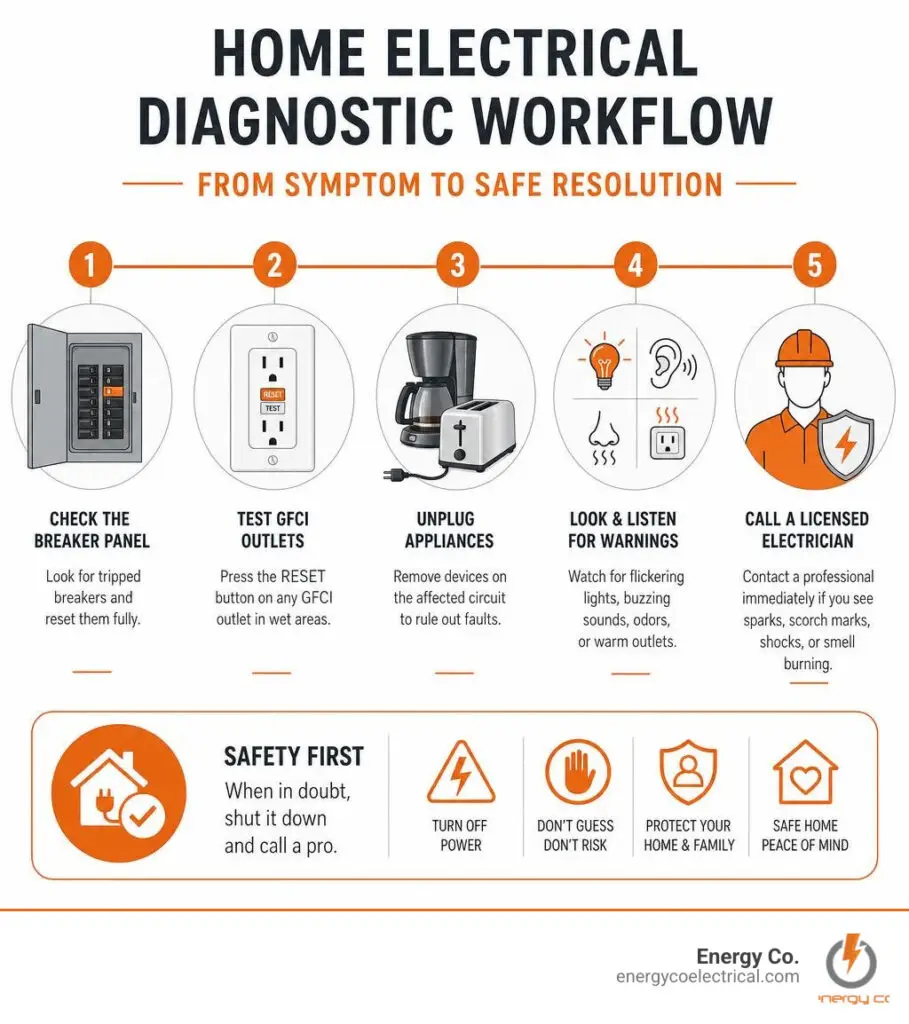
Quick answer: How to diagnose home electrical problems
- Check your circuit breaker panel — look for tripped breakers and reset them fully
- Test GFCI outlets — press the RESET button on any GFCI outlet in kitchens, bathrooms, or garages
- Unplug appliances on the affected circuit to rule out appliance faults
- Look and listen for warning signs: burning smells, buzzing sounds, warm outlets, or flickering lights
- Call a licensed electrician immediately if you notice sparks, scorch marks, shocks, or burning odors
Electrical problems are easy to ignore — until they aren’t. A light that flickers here, a breaker that trips there. It all feels minor. But electrical malfunctions cause more than 46,700 house fires every year, and residential electrical issues cause an estimated $1.3 billion in property damage annually. That’s not a small problem.
The tricky part? Most electrical faults hide behind walls, inside junction boxes, or deep in your panel. They don’t announce themselves until something goes wrong.
Whether you’re dealing with flickering lights, a dead outlet, or a breaker that keeps tripping — this guide walks you through what’s actually happening, what you can safely check yourself, and when to hand it off to a professional.
I’m Michał Napieralski, licensed electrician and founder of Energy Co., with years of hands-on experience diagnosing home electrical problems in older Chicago-area homes and commercial spaces. In the sections below, I’ll walk you through a clear, systematic approach to understanding what your home’s electrical system is telling you.
A Systematic Guide to Diagnosing Home Electrical Problems
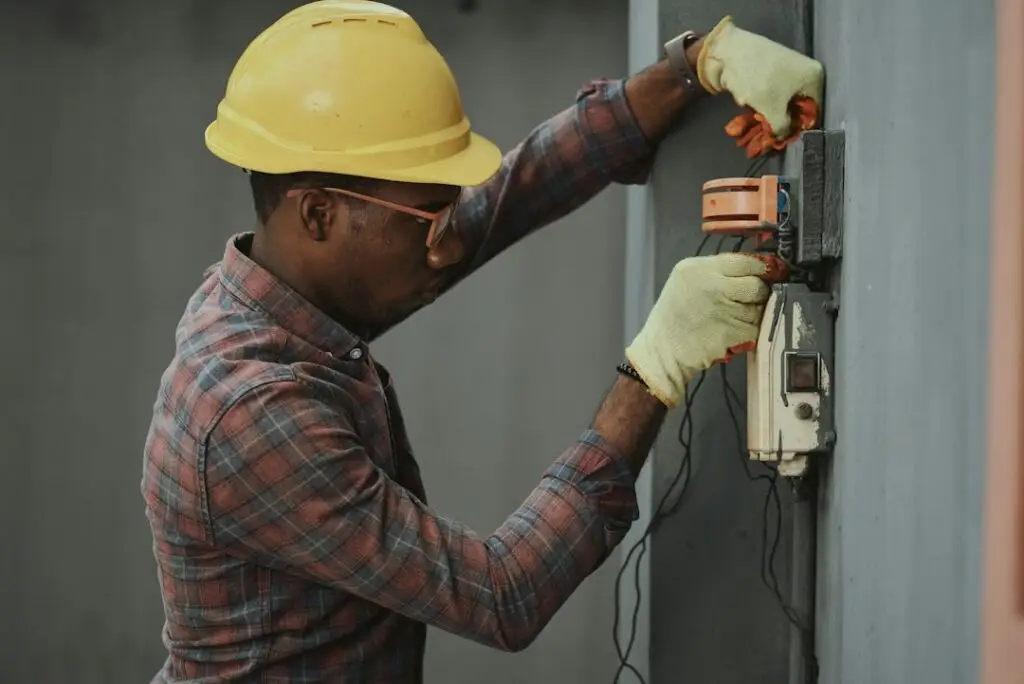
When something goes wrong with your power, it is tempting to start unscrewing faceplates or wiggling wires to find the culprit. However, blindly guessing is the fastest way to get a nasty shock or make the problem worse.
Instead, we recommend a methodical approach. Think of your electrical system as a highway. If there is a traffic jam (a fault), we need to trace the path back to the bottleneck without causing a multi-car pileup. Before you touch a single screw, you must familiarize yourself with the basic rules of safety and diagnostic tools. If you are brand new to this, review our guide on Electrical Repairs Dos and Don’ts for Beginners to build a solid foundation.
Safety First: Precautions Before Diagnosing Home Electrical Problems
The golden rule of electrical diagnostics is simple: never work on live wires.
To safely inspect any outlet, switch, or light fixture, you must de-energize the circuit at your main breaker panel. Do not just flip the wall switch off and assume you are safe; wall switches only cut power to one leg of the circuit, and a miswired switch can still carry a deadly charge.
To ensure your safety, we use the prove-test-prove method:
- Find a known, working outlet and test your voltage tester on it to prove the tool works.
- Turn off the breaker for the circuit you want to inspect, then test the wires or terminals in question.
- Test your tool one more time on the known live outlet to prove it did not fail or run out of battery during your diagnostic check.
Always wear rubber-soled shoes, stand on a completely dry surface, and use insulated hand tools. If you are dealing with a complex issue, keeping a structured Home Electrical Troubleshooting Strategy – DIY in mind will keep you from taking unnecessary risks.
Essential Diagnostic Tools for Homeowners
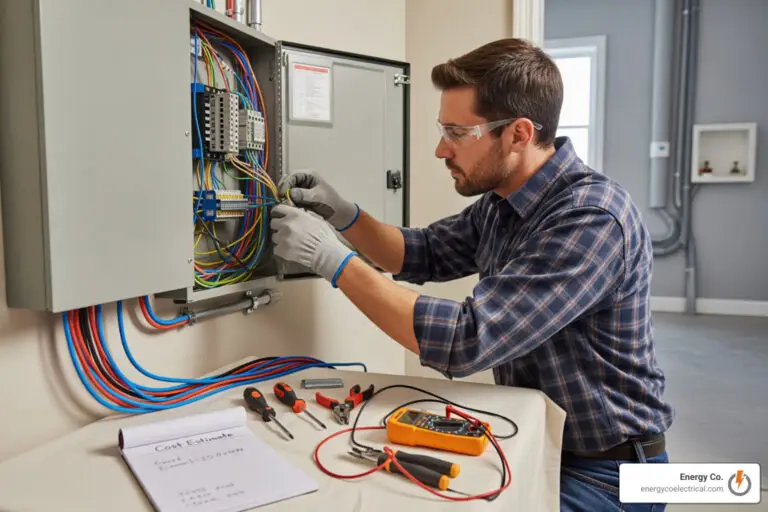
You do not need a truck full of expensive commercial gear to troubleshoot basic home issues. A few simple, affordable tools will help you identify the majority of household electrical faults:
- Non-Contact Voltage Tester (NCVT): This is a pen-shaped tool that glows or beeps when placed near an active electrical field. It allows you to check for live voltage without touching exposed metal conductors.
- Receptacle Tester (Outlet Tester): A simple three-prong plug-in device with three light indicators. It instantly tells you if an outlet is wired correctly, or if you are dealing with an open ground, open neutral, or reversed polarity.
- GFCI Tester: Often integrated into high-quality receptacle testers, this tool simulates a ground fault to ensure your Ground Fault Circuit Interrupter (GFCI) outlets trip exactly when they are supposed to.
- Digital Multimeter: This tool measures exact AC/DC voltage, resistance, and continuity. It is essential for checking if your home is receiving the standard 120 volts (or 240 volts for heavy appliances) or if a wire has a hidden break.
- Clamp Meter: A tool used by advanced DIYers and pros to measure the electrical current flowing through a wire without breaking the circuit.
When to Stop Diagnosing Home Electrical Problems and Call a Professional
There is a very clear line between a simple diagnostic check and a dangerous hazard. If your troubleshooting reveals any of the following urgent warning signs, stop immediately, do not touch any more components, and call us for expert electrical repair service in Chicago: fast, reliable solutions.
- A distinct burning smell: This is often the smell of melting plastic insulation or wood framing heating up behind your walls. It is a major fire hazard.
- Outlets or switches that feel warm to the touch: This indicates a high-resistance connection that is actively generating heat.
- Buzzing, crackling, or sizzling sounds: These noises are the sound of electricity arcing across a gap in a loose connection.
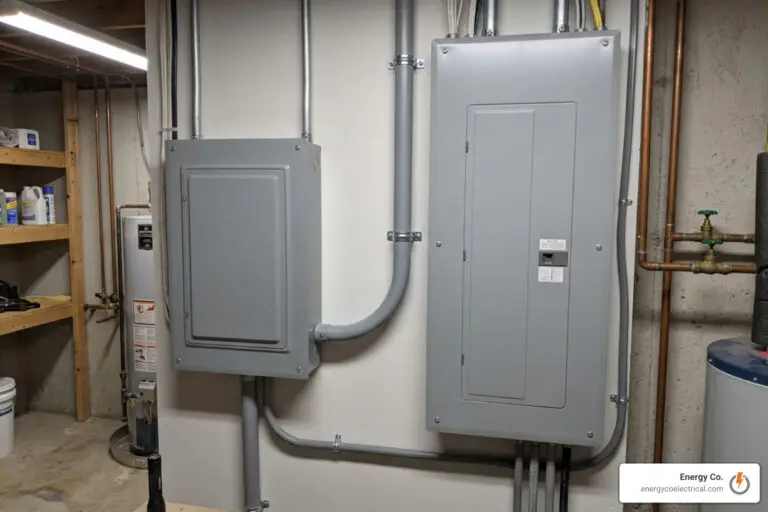
- A breaker panel that is hot or buzzing: Your panel is the heart of your electrical system; any fault here requires immediate professional attention.
- Persistent breaker trips: If a breaker trips immediately after you reset it, there is a direct short circuit or ground fault that must be located and repaired by a professional.
- Electric shocks: If you feel even a mild tingle or shock when touching an appliance, metal faceplate, or faucet, your home has a serious grounding issue.
Common Symptoms: Flickering Lights, Tripped Breakers, and Dead Outlets
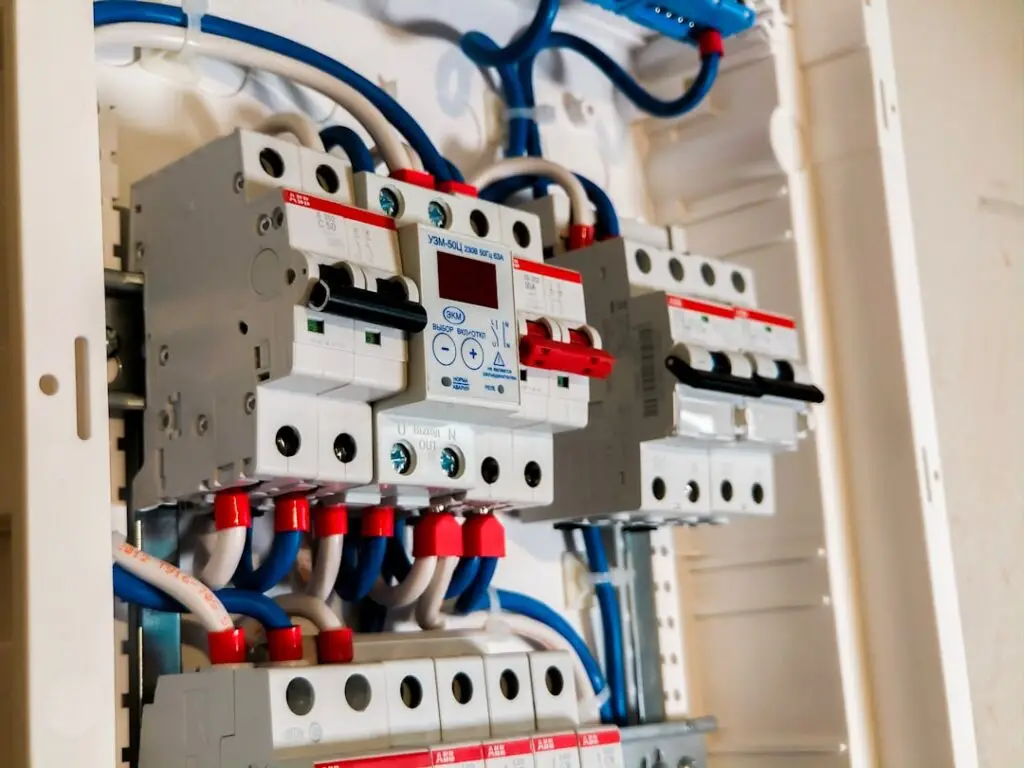
To solve an electrical mystery, you have to read the clues your home is giving you. Most residential issues present themselves as one of three common symptoms. Understanding what these symptoms mean will help you map out the root cause. If your system behaves erratically at night, check out our guide on What to Do When Your Power Goes Bump in the Night for targeted advice.
Flickering or Dimming Lights
A single flickering light is usually just a loose bulb or a failing LED driver. However, if multiple lights across a room or throughout your entire home are flickering or dimming, you are dealing with a broader issue.
- Loose Connections: Over time, the copper wires inside your walls expand and contract as they heat up and cool down. This minor physical movement can loosen terminal screws, especially on cheaply installed “backstabbed” outlets.
- Voltage Fluctuations: If your lights dim momentarily when your air conditioner, refrigerator, or clothes dryer kicks on, it is a sign of a localized voltage drop. Your system may lack the capacity to handle high-demand appliances on shared circuits.
- Main Service Issues: If the flickering affects your entire home and seems to happen randomly, the connection to your utility provider’s main line might be loose or damaged.
For a deeper dive into these patterns, consult the classic guide on Trade Secrets – Troubleshooting Home Electrical Problems to see how professional electricians categorize these symptoms.
Tripped Circuit Breakers and Overloaded Circuits
Your circuit breaker panel is designed to protect your home. When a breaker trips, it is not failing—it is doing its job by cutting off power before the wires overheat and start a fire. Breakers trip for three primary reasons:
- Overloaded Circuits: This happens when you plug too many high-wattage devices into the same circuit. For example, running a space heater, a hair dryer, and a vacuum on a single 15-amp circuit will easily exceed its 1,800-watt limit.
- Short Circuits: A short circuit occurs when a hot (live) wire makes direct contact with a neutral wire. This creates an path of near-zero resistance, causing a massive spike in electrical current that trips the breaker instantly.
- Ground Faults: Similar to a short circuit, a ground fault happens when a hot wire touches a ground wire or a grounded metal component (like an appliance frame).
When dealing with breaker issues, understanding the proper diagnostic path is essential before attempting any circuit breaker repair on your own.
Dead Outlets and GFCI Failures
If an outlet suddenly stops working, the first suspect is a tripped GFCI outlet upstream. In modern building codes, outlets in wet areas—like kitchens, bathrooms, garages, and outdoor spaces—must be protected by GFCIs.
A single GFCI outlet can protect several standard “downstream” outlets. If the GFCI trips due to moisture or a faulty appliance, all those downstream outlets will go dead as well.
If resetting the GFCI does not restore power, or if the GFCI refuses to reset, you may be dealing with an open neutral (a break in the white neutral wire returning to the panel) or a completely failed receptacle. For step-by-step diagnostic procedures, check out our resource on Outlet Switch Troubleshooting.
How to Distinguish Appliance Faults from Fixed Wiring Issues
When a breaker trips, it can be hard to tell if the problem lies within the appliance you just plugged in, or if the wiring inside your walls has failed. Distinguishing between these two issues is critical to avoiding unnecessary electrical repairs.
| Issue Type | Common Indicators | Best Initial Action |
|---|---|---|
| Appliance Fault | Breaker trips only when a specific device is turned on; appliance smells warm or makes odd noises. | Unplug the device and test it on a known, separate circuit. |
| Fixed Wiring Fault | Breaker trips with nothing plugged into the outlets; outlets are discolored; walls feel warm. | Keep the breaker off and call a licensed electrician. |
Step-by-Step Isolation Process
To isolate the problem safely, perform a systematic isolation test:
- Unplug everything: Go to the affected room and unplug every single appliance, lamp, charger, and electronic device from the outlets on that circuit.
- Reset the breaker: Go to your electrical panel and flip the tripped breaker completely to the “OFF” position, then back to the “ON” position.
- Observe: If the breaker trips immediately with nothing plugged in, you have a fixed wiring fault (such as a short circuit behind the walls). Do not attempt to reset it again.
- Plug devices back in one by one: If the breaker stays on, go back to the room and plug your devices back in, turning them on one at a time. When the breaker trips, the last appliance you plugged in is the culprit.
Identifying Hidden Wiring Problems
If your isolation test points to a fixed wiring issue, the cause is often hidden from plain sight. Common culprits include:
- Rodent Damage: Mice and rats love to chew on the plastic insulation surrounding electrical wires, exposing bare copper and causing short circuits.
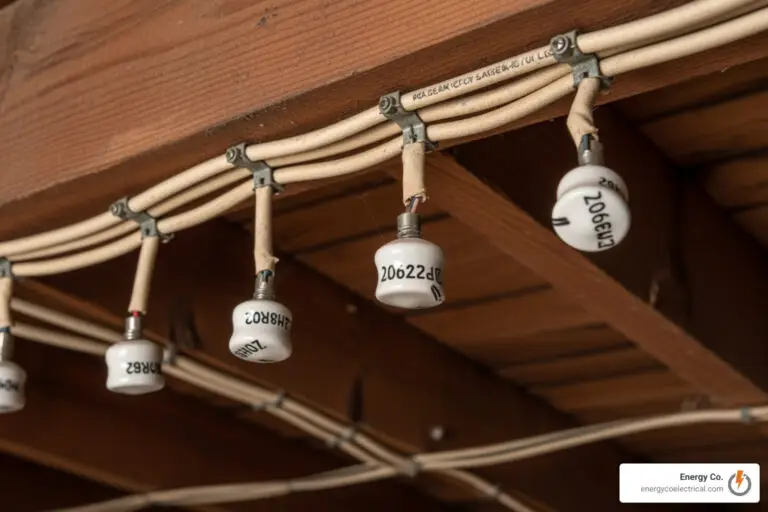
- Outdated Insulation: In older Chicago homes built before the 1970s, wire insulation can become brittle, crack, and crumble away over time.
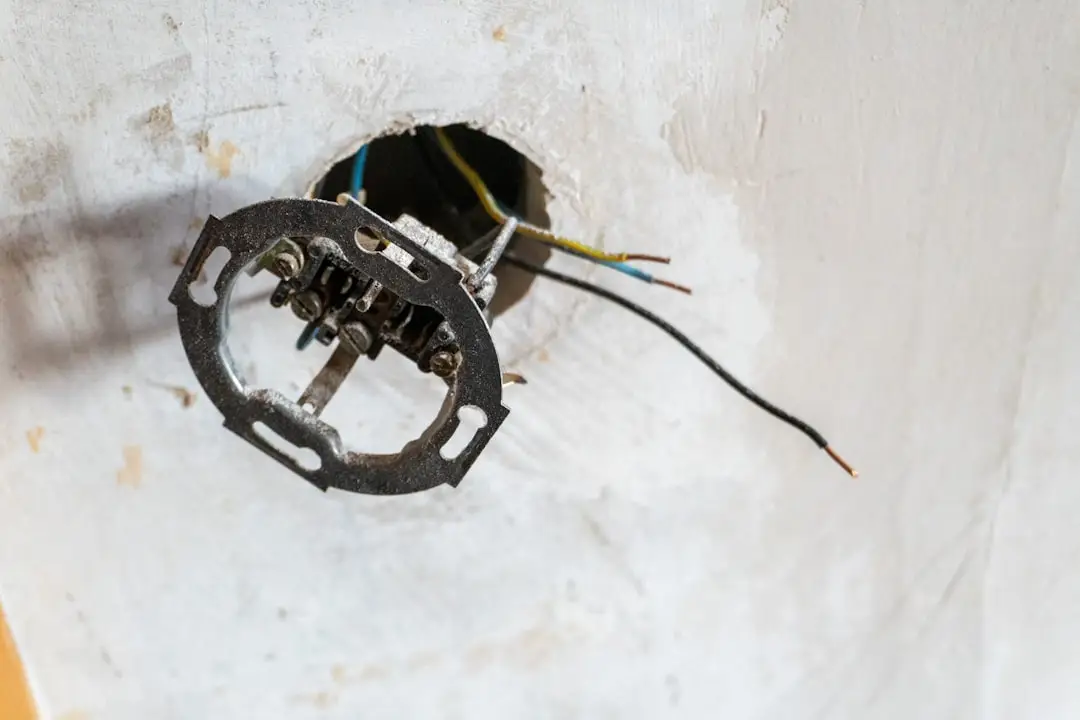
- Loose Terminal Screws: Poor workmanship or years of subtle wall vibrations can back screws out of outlets and switches, leading to loose connections.
If you suspect your home’s wiring is failing due to age or damage, read through A Comprehensive Guide to Rewiring Basics to understand what updating your home’s infrastructure entails.
Frequently Asked Questions about Home Electrical Issues
Why do my lights flicker when a large appliance turns on?
This is usually caused by a momentary voltage drop. When high-demand appliances like your central air conditioner, refrigerator, or washing machine start up, their motors require a large burst of “inrush current” to get moving.
If these appliances share a circuit—or if your main electrical panel lacks the capacity to handle the load—this sudden draw pulls voltage away from your lighting circuits, causing them to dim briefly. Installing a dedicated circuit for your heavy appliances usually solves this issue.
How often should my home’s electrical system be inspected?
As a general rule, licensed electricians should inspect residential electrical systems every 10 years for homes built after 1980.
However, for older properties—especially those in historic areas of Chicago with aging electrical infrastructure—we recommend a professional safety inspection every 5 years. Regular checkups help identify deteriorating insulation, overloaded panels, and outdated wiring before they turn into fire hazards.
What is the difference between a short circuit and an overload?
An overload occurs when you ask a circuit to carry more electrical current than it is designed to handle (e.g., pulling 22 amps of power through a 15-amp wire). The wire heats up slowly, and the breaker trips to prevent the insulation from melting.
A short circuit is an immediate, high-energy fault where an active hot wire directly touches a neutral or ground wire, bypassing the normal electrical load entirely. This causes an instantaneous spike in current, tripping the breaker immediately to prevent an electrical explosion or fire.
Conclusion
Diagnosing home electrical problems can feel like detective work, but keeping your home safe requires respecting your limits. While simple diagnostic tasks — like resetting a GFCI, performing an appliance isolation test, or checking your panel — are great ways to rule out simple fixes, complex wiring issues require professional expertise.
At Energy Co., we provide comprehensive residential electrical services across Chicagoland, including Chicago, Cicero, Arlington Heights, Mount Prospect, Schaumburg, Hoffman Estates, Elk Grove Village, Rolling Meadows, Palatine, Roselle, Streamwood, and Hanover Park. Whether you are dealing with a tricky flickering light or need a complete panel upgrade, our licensed, insured professionals are here to help.
If you are looking for local solutions in the northwest suburbs, it is vital to rely on qualified professionals. Whether you need reliable repairs, troubleshooting, or a complete system upgrade, having a local expert is key to keeping your home safe and compliant with local electrical codes.
Do not let minor electrical quirks turn into major hazards. Schedule an outlet and switch troubleshooting consultation with Energy Co. today, and let us bring safety and reliability back to your home’s power.