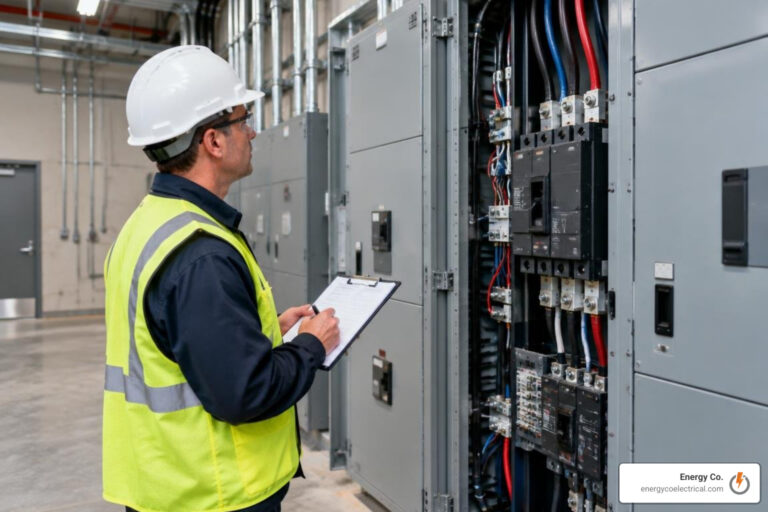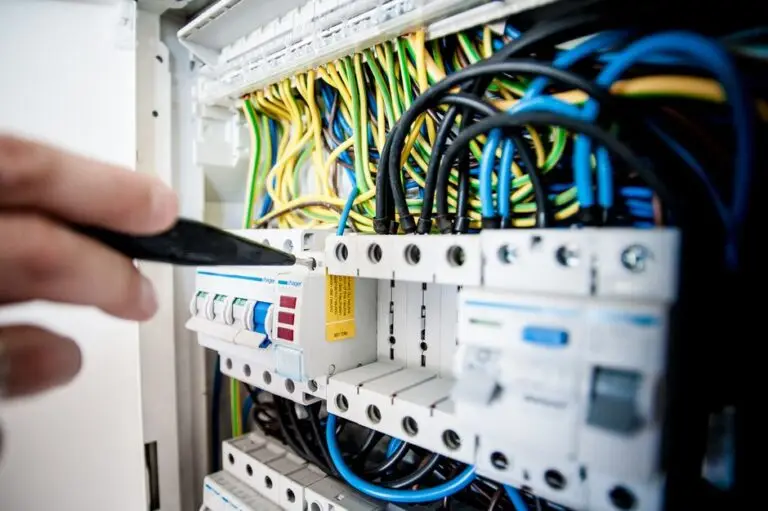
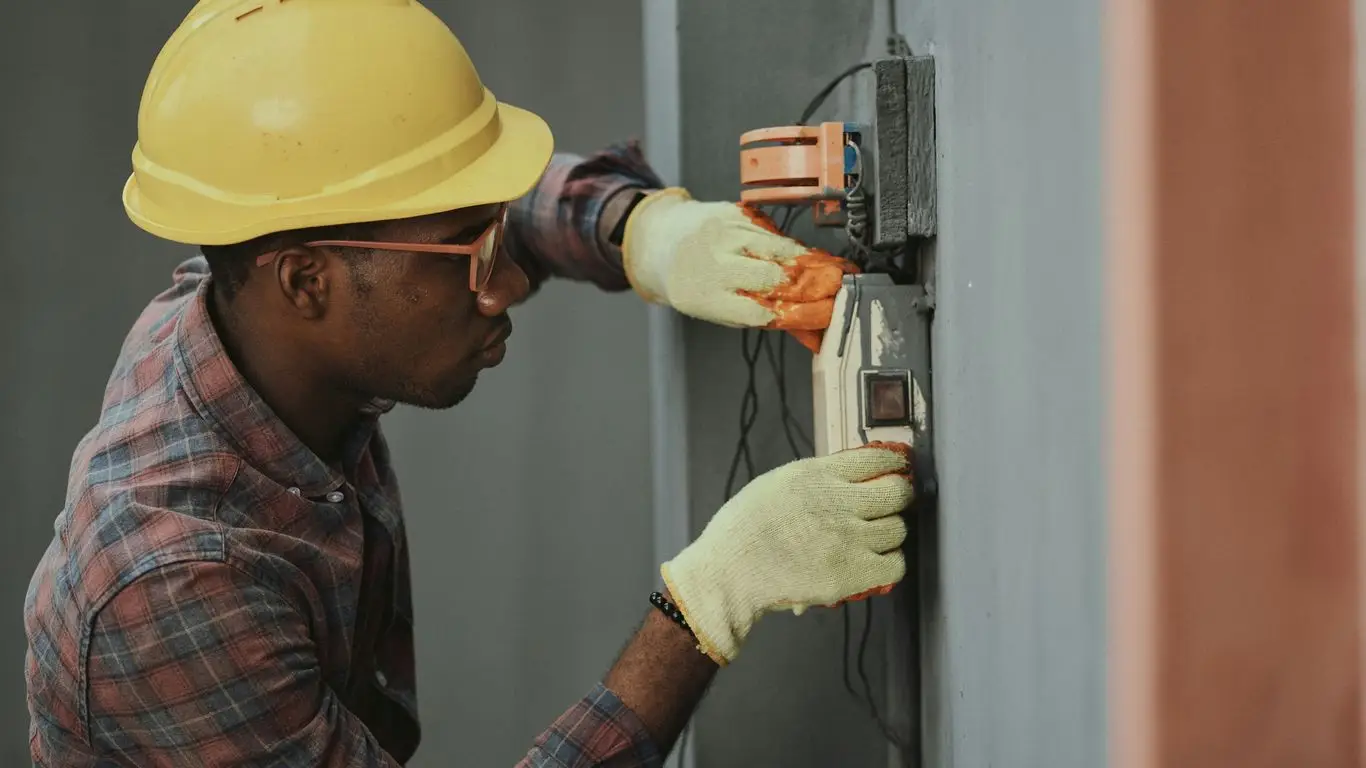
When you run an industrial operation in Chicago, keeping things running smoothly is a big deal. That means your electrical systems need to be top-notch. You need an industrial electrician Chicago pros can count on. We’re talking about folks who know the ins and outs of factory floors, warehouses, and all sorts of heavy-duty settings. This isn’t your average home wiring job; it’s about keeping big machines humming and your business safe. Let’s look at what makes a great industrial electrician service. In Chicago, electrical contractors must be licensed through the Chicago Department of Buildings.
Key Takeaways
- Make sure your industrial electrician is licensed and insured for Chicago work.
- Look for clear, upfront pricing so there are no surprises.
- Choose a team that plans work to minimize downtime for your operations.
- Verify they have specific experience with Chicago’s industrial electrical needs.
- Confirm they follow strict safety rules and leave the site clean.
1. Licensed and insured
When you’re looking for industrial electrical services in Chicago, the first thing you should check is if the company is properly licensed and insured. This isn’t just a formality; it’s a critical step for your business’s safety and financial protection. A licensed electrician has met the state’s requirements for training and knowledge, meaning they understand the complex electrical systems in industrial settings and know how to work safely and efficiently.
Being insured is just as important. It means the company carries liability insurance and workers’ compensation. If an accident happens on your property and one of their workers gets injured, or if their work causes damage to your facility, the insurance covers it. Without this coverage, your business could be on the hook for significant costs.
Here’s why it matters:
- Safety First: Licensed pros follow strict safety protocols, reducing the risk of electrical fires, shocks, or equipment damage.
- Code Compliance: They’re up-to-date on Chicago’s specific electrical codes, so your installations and repairs will pass inspections.
- Financial Protection: Insurance shields your business from unexpected expenses related to accidents or errors.
- Peace of Mind: Knowing you’ve hired qualified professionals lets you focus on running your business.
Always ask for proof of licensing and insurance before hiring any electrical contractor. A reputable company will readily provide this information. It’s a sign they are serious about their business and your protection.
Choosing a company that is both licensed and insured isn’t just about following the rules; it’s about making a smart business decision that safeguards your operations. You can find more details on the types of services offered by licensed electricians in Chicago to understand the scope of work they handle.
2. Transparent pricing
Nobody likes surprises, especially when it comes to bills. That’s why we make sure you know exactly what you’re paying for before any work even begins. We provide free, detailed estimates that break down all the costs involved. No confusing jargon, no hidden fees popping up later. You get a clear picture of the investment needed for your industrial electrical project.
We believe this upfront approach builds trust and makes planning much easier for your business. It allows you to budget effectively and understand the value you’re receiving.
Here’s a general idea of how our pricing is structured:
- Service Call Fee: Covers the electrician’s travel to your site and initial diagnosis of the issue.
- Labor Costs: This can be an hourly rate or a flat fee for the specific job, clearly outlined in your estimate.
- Materials and Parts: The cost of any necessary components, like breakers, wiring, or specialized equipment.
We aim to be straightforward about every aspect of the cost. If you’re looking into energy-efficient upgrades, it’s worth noting that some projects might have incentives available that could affect the overall cost. For instance, upgrading your lighting could lead to significant savings down the line commercial lighting upgrades.
Understanding the pricing structure upfront helps avoid misunderstandings and ensures a smooth working relationship. We’re committed to providing fair and competitive rates for all our industrial electrical services in Chicago.
3. Minimal downtime
In the industrial world, every minute your operation is offline costs money. We get that. That’s why minimizing downtime is a top priority for our team. We plan our work meticulously, often scheduling tasks during off-hours, weekends, or in phases to avoid interrupting your production schedule. Our goal is to get in, get the job done right, and get out with as little disruption as possible.
Here’s how we help keep your facility running:
- Strategic Scheduling: We work with you to find the best times for electrical work, aligning with your production cycles and maintenance windows.
- Efficient Execution: Our experienced electricians work quickly and effectively, using the right tools and techniques to complete tasks promptly.
- Proactive Problem Solving: By addressing potential issues before they cause breakdowns, we help prevent unexpected shutdowns.
- 24/7 Emergency Support: When the unexpected happens, our rapid response team is ready to tackle urgent electrical problems and restore power fast. You can count on us for 24/7 emergency services when you need them most.
We understand that your Chicago industrial facility needs to stay operational. Our approach is always geared towards keeping your lights on and your machinery running, whether it’s a planned upgrade or an emergency repair. We aim to be a partner in your productivity, not a roadblock.
We know that unexpected electrical issues can pop up anytime. That’s why we’re available around the clock to help get you back online.
4. Chicago industrial expertise

Chicago can be tough on electrical systems—old factory buildings, rapid weather shifts, grease, dust, and heavy machinery all push things to the limit. If your operation relies on electricity, you need someone who understands what makes Chicago’s industrial spaces different from anywhere else.
When you work with a seasoned industrial electrician here, you’re getting more than repairs and upgrades. You’re tapping into real knowledge about city codes, building quirks, union requirements, and the unique pressure of non-stop production schedules. Chicago’s industrial experts don’t just follow a manual—they’ve seen and fixed it all, from freezing warehouses to giant presses that can’t afford an hour off.
Industrial electricians in Chicago can help tackle issues like:
- Outdated wiring in early 20th-century warehouses struggling with new equipment
- Electrical panels maxed out by expanded production lines
- Safety upgrades to keep up with shifting codes or insurance demands
- Installation of backup systems to handle sudden power loss from storms or utility problems
Here’s what usually sets these pros apart:
- They know the city’s inspection processes and permitting timelines.
- They’re skilled at handling jobs during off-hours to keep downtime minimal.
- They adjust methods and materials for conditions like wild temperature swings or cramped basements.
The difference between a solid Chicago industrial electrician and the rest? It’s not just technical skill. It’s the ability to work fast, work safe, and keep your plant or warehouse running, no matter what the city throws at you.
5. Clean and safe
When our electricians are on your site, you can expect a tidy workspace. We believe that a clean job site is a safe job site. It’s not just about appearances; it’s about preventing accidents and making sure your operations can continue with minimal disruption. We follow strict safety protocols, making sure your staff, your equipment, and our team are all protected.
Here’s what you can count on:
- Work Area Management: We cordon off work zones as needed and keep pathways clear.
- Debris Removal: All waste and old materials are removed promptly and disposed of properly.
- Tool and Equipment Storage: Tools are organized and stored safely when not in use.
- Hazard Identification: We’re always on the lookout for potential hazards and address them immediately.
Maintaining a clean and safe environment isn’t just a courtesy; it’s a core part of our professional responsibility. It shows respect for your facility and helps prevent unexpected issues that could halt your production.
6. Electrical repairs
When something goes wrong with your industrial electrical system, it can really mess with your whole operation. Think tripped breakers, flickering lights, or machinery that just won’t power up. These aren’t just annoyances; they’re problems that can cost you time and money.
We tackle all sorts of electrical issues, from minor glitches to major breakdowns. Our team is trained to find the root cause of the problem quickly, whether it’s faulty wiring, an overloaded circuit, or a failing component. We use diagnostic tools to pinpoint the exact issue, so we’re not just guessing.
Here’s a look at common industrial electrical problems we fix:
- Sudden Power Loss: When a whole section or your entire facility goes dark.
- Overheating Equipment: Machinery or panels getting too hot to the touch.
- Intermittent Power: Power cutting in and out without a clear reason.
- Faulty Outlets & Switches: Outlets that don’t work or switches that feel loose.
- Strange Noises or Smells: Buzzing sounds from panels or a burning smell.
We understand that downtime is a big deal in Chicago’s industrial sector. That’s why we aim to get your systems back up and running as fast as possible, without cutting corners on safety or quality. We know how important it is to keep things running smoothly, especially when dealing with Chicago’s unpredictable weather that can sometimes strain electrical systems.
Getting electrical repairs done right the first time is key. A quick fix that doesn’t address the underlying issue can lead to bigger problems down the road, potentially causing more downtime and higher costs. We focus on durable repairs that ensure your systems are reliable.
We also offer emergency electrical services for those times when problems can’t wait. Our goal is to minimize disruption and get your facility back to full capacity safely and efficiently.
7. Wiring upgrades
As industrial operations grow and technology advances, the existing electrical wiring in your Chicago facility might not keep up. Outdated wiring is a common bottleneck, leading to inefficiencies and potential safety hazards. It’s not just about having enough power; it’s about having the right kind of power delivered reliably and safely.
Upgrading your wiring means bringing your facility up to modern standards. This can involve:
- Replacing old, brittle insulation that poses a fire risk.
- Increasing wire gauge to handle higher amperage demands from new machinery.
- Installing grounding wires for better protection against surges and faults.
- Ensuring compliance with Chicago’s specific electrical codes, which can be quite strict.
We handle everything from identifying areas needing upgrades to the full installation of new, robust wiring systems. This process is carefully planned to minimize disruption to your operations. We understand that downtime costs money, so our team works efficiently to get your facility running smoothly with its new electrical backbone.
Upgrading your wiring isn’t just a maintenance task; it’s an investment in your facility’s future. It supports new equipment, improves energy efficiency, and most importantly, enhances safety for everyone on site.
When considering a wiring upgrade, think about the demands of your current equipment and any future expansions you might have planned. A professional assessment can reveal hidden issues and provide a clear roadmap for improvement. This proactive approach can save you from costly repairs and unexpected shutdowns down the line. We can help you plan a comprehensive electrical system upgrade that meets today’s needs and prepares you for tomorrow’s challenges.
8. Heavy-duty panel installations
Industrial facilities run on serious power, and that means they need electrical panels built to handle the load. Older or undersized panels just can’t keep up with the demands of heavy machinery, constant production cycles, and Chicago’s sometimes wild weather. When your panel is struggling, you’re looking at more than just flickering lights; you’re risking equipment damage, costly downtime, and even safety hazards.
We specialize in installing heavy-duty electrical panels designed for industrial environments. These aren’t your average home breaker boxes. We’re talking about robust units with higher amperage ratings, more circuits, and better surge protection to keep your operations running smoothly, even when everything is running at full tilt.
Here’s what goes into a proper heavy-duty panel installation:
- Assessment: We start by looking at your facility’s current and future power needs. This includes the types of machinery you use, their power draw, and any plans for expansion.
- Selection: Based on the assessment, we recommend a panel that offers sufficient capacity, often recommending a 200-amp service or higher, with plenty of room for additional circuits.
- Installation: Our licensed electricians handle the entire process, from safely disconnecting the old panel to wiring and connecting the new one, all while adhering to strict safety protocols and Chicago’s electrical codes.
- Testing: Once installed, we thoroughly test the new panel to make sure all circuits are functioning correctly and that the system can handle the expected load.
Upgrading your electrical panel is a smart investment in your facility’s reliability and safety. It’s the backbone of your entire electrical system, and making sure it’s up to the task is non-negotiable for industrial operations.
A properly sized and installed heavy-duty panel is key to preventing electrical overloads, reducing the risk of fires, and ensuring that your machinery and systems have the consistent power they need to operate without interruption. It’s a foundational upgrade that supports overall efficiency and safety.
9. Automation system installations
In today’s industrial landscape, automation isn’t just a luxury; it’s a necessity for staying competitive. We specialize in setting up the electrical backbone for all sorts of automated systems. Think conveyor belts that move goods around your warehouse, robotic arms on an assembly line, or complex control systems that manage your entire production process. Our team makes sure these systems are wired correctly and integrate smoothly with your existing infrastructure.
We handle everything from the initial wiring to the final configuration, ensuring reliability and efficiency. This means your operations can run at peak performance without unexpected power interruptions.
Here’s what goes into a typical automation system installation:
- System Design Consultation: We work with you to understand your automation goals and map out the electrical requirements.
- Wiring and Cabling: Installing the necessary conduits, cables, and junction boxes to connect all automated components.
- Control Panel Setup: Wiring and configuring control panels that act as the brain for your automated processes.
- Integration and Testing: Connecting the new automation system to your existing electrical grid and performing thorough tests to confirm everything works as expected.
- Documentation and Training: Providing clear documentation of the system and basic training for your staff on operation and maintenance.
Implementing automation can significantly boost productivity and reduce errors. It’s about making your operations smarter and more streamlined. We focus on the electrical side, making sure the power delivery is as reliable as the automation itself, so you can focus on running your business efficiently.
10. Equipment installations
When you’re bringing new machinery or production equipment into your Chicago industrial facility, getting the electrical setup right is super important. It’s not just about plugging something in; it’s about making sure that new piece of gear gets the power it needs, safely and reliably. We handle everything from running dedicated high-power circuits to installing the right kind of outlets and control systems.
Our process usually looks something like this:
- Initial Assessment: We’ll check out the equipment’s power requirements, manufacturer specs, and any local code needs.
- Planning & Design: We map out the best way to connect the equipment, considering existing infrastructure and future needs.
- Installation: Our electricians carefully install all necessary wiring, breakers, and connections.
- Testing & Commissioning: We thoroughly test the setup to make sure it’s working perfectly and safely before you start using it.
Getting the electrical side of new equipment installation done correctly from the start prevents a lot of headaches down the road. This includes making sure the equipment runs at its peak performance and meets all safety standards.
Proper equipment installation means your new machinery can operate at its full potential without causing electrical strain on your facility. It’s about matching the power supply to the demand, ensuring safety, and avoiding unexpected shutdowns that can halt your entire operation.
When it comes to setting up your electrical systems, you want the job done right. Our team makes sure all your new equipment is installed safely and correctly. We handle everything from start to finish, so you don’t have to worry. Need expert help with your electrical setup? Visit our website to learn more about our services.
Wrapping Up
So, when it comes to keeping your industrial operations running smoothly and safely in Chicago, picking the right electrical service really matters. It’s not just about flipping a switch; it’s about having folks who know the ins and outs of industrial setups, can handle tricky problems, and get the job done without messing up your production schedule. Remember, a solid electrical system is the backbone of any factory or warehouse, and getting that right means fewer headaches and more productivity down the road. Don’t wait for a problem to pop up – find a reliable team you can count on.
Frequently Asked Questions
What makes a good industrial electrician in Chicago?
A great industrial electrician is licensed, insured, and knows Chicago’s specific rules. They should be good at fixing problems quickly, offer clear prices, and understand how factories and warehouses work. Safety and keeping your business running smoothly are top priorities.
Why is it important for electricians to be licensed and insured?
Being licensed means the electrician has passed tests and knows the electrical rules. Being insured means if something accidentally gets damaged or someone gets hurt, the insurance company covers it, not you. This protects your business.
How can electricians help reduce downtime in my factory?
Good electricians work around your schedule, often during off-hours or weekends, so your machines don’t have to stop during busy production times. They also fix problems fast to get things running again as quickly as possible.
What kind of services do industrial electricians offer?
They handle many things like fixing electrical issues, upgrading old wires to handle more power, installing big electrical panels, setting up automation systems for machines, and installing new equipment. They can also do safety checks.
What does ‘transparent pricing’ mean for electrical services?
It means you get a clear, written estimate before any work starts. You’ll know exactly what you’re paying for, with no hidden costs or surprise charges later on.
How do electricians ensure safety in an industrial setting?
They follow strict safety rules, wear protective gear, and make sure all work meets safety codes. They also keep the work area clean and organized to prevent accidents. Regular safety inspections are also key.
What are the benefits of upgrading my facility’s wiring?
Older wiring might not handle modern, heavy-duty machines or the amount of power needed today. Upgrading means better reliability, less chance of power outages, improved safety, and your system can handle more power efficiently.
Can industrial electricians help with automation systems?
Yes, absolutely. They can install the wiring and controls needed for automated machines, like conveyor belts or robots. This helps make your factory run more smoothly and efficiently.