Last updated:
Finding the Right Commercial Lighting Installer Near You
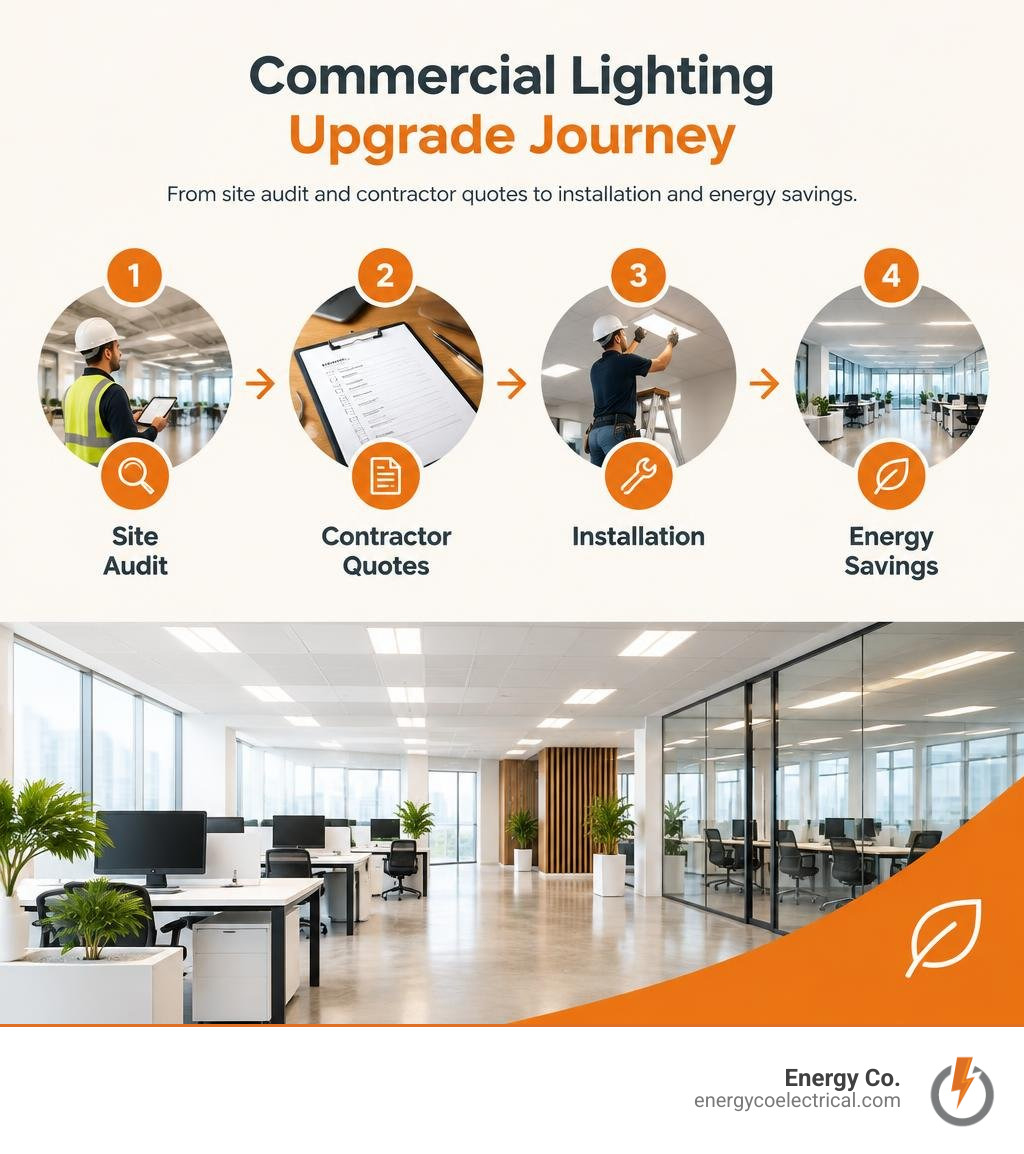
Start with a licensed, insured local electrical contractor who has worked in spaces like yours. Ask for an on-site lighting assessment and a written estimate that covers fixtures, controls, permits, the work schedule, and any available utility rebates. Compare how each contractor plans to light the space safely, not just the price.
Table of Contents
A good installation can lower lighting costs and make an office, warehouse, or store easier to work in. The right setup depends on the tasks people do, the light levels they need, and how much disruption your business can handle. I’m Michał Napieralski, and I’ll help you sort through those choices before you hire. When you need a dependable commercial lighting installation near me, the contractor you choose should be able to walk you through each of those factors in plain language.
Easy commercial lighting installation near me glossary:
6 High-Impact Fixture Solutions for Commercial Lighting Installation Near Me
Selecting the right fixtures is the cornerstone of any effective lighting redesign. Different commercial environments demand tailored photometric distributions, specific color temperatures, and distinct lumen outputs to maximize both human performance and energy efficiency.
When searching for trusted commercial lighting services and retrofits, understanding how different technologies fit your architecture helps you make confident design decisions.
| Fixture Type | Ideal Commercial Application | Target Color Temp (CCT) | Average Energy Reduction | Expected Service Life |
|---|---|---|---|---|
| High-Bay LEDs | Warehouses, Manufacturing, Gyms | 5000K (Daylight) | 50% – 70% | 50,000+ Hours |
| Flat Panels & Troffers | Corporate Offices, Schools, Clinics | 4000K (Neutral White) | 45% – 65% | 50,000+ Hours |
| Track & Display Accents | Retail Boutiques, Auto Showrooms | 3000K – 4000K (Warm/Neutral) | 50% – 60% | 50,000+ Hours |
| Exterior & Perimeter Packs | Parking Structures, Building Facades | 4000K – 5000K (Cool/Daylight) | 60% – 75% | 70,000+ Hours |
| Integrated Smart Controls | Multi-Zone Facilities, Conference Rooms | Dynamic / Tunable | Additional 20% – 30% | N/A (Control Modules) |
| Emergency Egress Units | Hallways, Stairwells, Exit Paths | Code Specific | Meets NFPA 101 / NEC | 10-Year Battery Life |
1. High-Bay LED Fixtures for Warehouses and Industrial Spaces
Industrial facilities present unique illumination challenges due to vast cubic footprints, vertical racking systems, and elevated ceilings ranging from 15 to 40 feet. Traditional high-intensity discharge (HID) and metal-halide systems produce heavy shadows, suffer from lumen depreciation, and waste substantial power through residual heat output.
Modern high-bay LED installations solve these visibility issues by delivering crisp 5000K daylight illumination across active work zones. By generating focused, wide-beam or narrow-aisle photometric spreads, high-bay LEDs eliminate dark pockets between high racks, helping forklift operators navigate aisles safely and reducing workplace incidents.
Furthermore, industrial LED luminaires boast continuous operational ratings of 50,000+ hours (well over a decade under typical operational schedules) while delivering an immediate 50% to 70% reduction in electricity consumption compared to legacy fixtures.
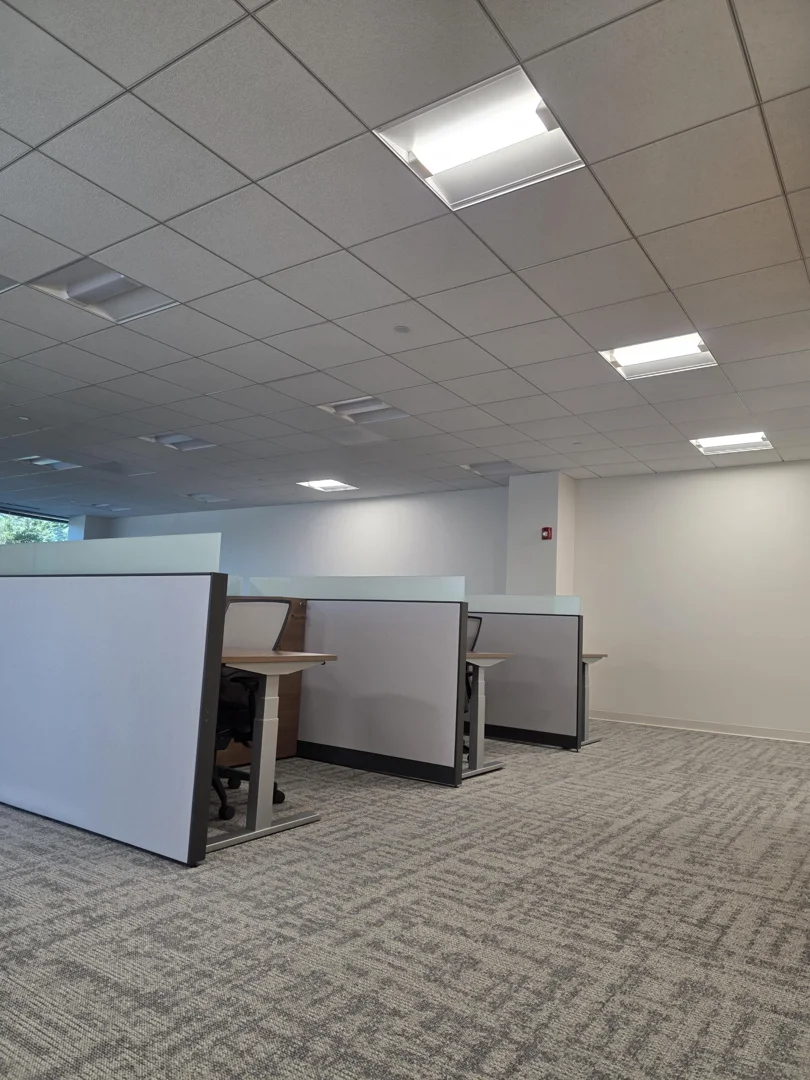
2. LED Troffers and Flat Panels for Modern Office Spaces
In corporate office environments, lighting directly shapes team focus, visual comfort, and workplace productivity. Outdated fluorescent T8 and T12 fixtures often produce an imperceptible 60Hz ballast hum and subtle strobe flicker that can trigger eye strain and midday fatigue.
Upgrading drop-ceiling grid layouts with modern LED troffers and edge-lit flat panels provides balanced, diffuse light. Standardized at 4000K neutral white, these solid-state luminaires create a clean, contemporary aesthetic with minimal glare on computer monitors. Because modern drivers provide consistent direct current, flicker is completely eliminated, yielding a comfortable work atmosphere that supports sustained cognitive performance.
3. Display, Track, and Accent Fixtures for Retail Spaces
Retail lighting must do more than simply brighten a room; it should guide customer foot traffic, direct focus toward key inventory, and render product colors accurately. In retail merchandising, the Color Rendering Index (CRI) plays a central role. High-CRI LED fixtures (90+ CRI) reveal rich tones and fine textures, helping products look their best.
Combining directional track heads, recessed downlights, and curated architectural fixtures establishes visual depth across display zones. Strategic accent illumination increases customer dwell time and highlights promotional areas, turning lighting into an effective visual merchandising tool.
4. Exterior Security and Commercial Parking Lot Lighting
External illumination safeguards your commercial real estate investments after sunset. Well-lit perimeter fencing, entryways, walkways, and parking structures deter unauthorized access while helping employees and clients navigate the premises safely at night.
Upgrading outdoor spaces with dedicated commercial parking lot lighting upgrades replaces aging high-pressure sodium lamps with weather-rated, Dark-Sky compliant fixtures. These commercial LED luminaires focus light directly onto driving lanes and pedestrian walkways without spilling light into surrounding neighborhoods, lowering outdoor energy demands by up to 75%.
5. Smart Lighting Controls, Dimming, and Daylight Harvesting
Installing modern luminaires provides immediate energy savings, but pairing them with intelligent lighting controls maximizes efficiency across your facility. Automated control systems align energy usage with real-world building occupancy and natural daylight patterns.
Key control architectures include:
- Passive Infrared (PIR) and Ultrasonic Occupancy Sensors: Automatically de-energize or dim luminaires in vacant conference rooms, break areas, and storage rooms.
- Aisle-Level Motion Sensors: In high-cube warehouses, fixture-integrated sensors keep lights dimmed until rolling equipment or personnel enter the aisle, delivering an extra 20% to 30% in energy savings.
- Daylight Harvesting Photo Sensors: Continuously sample ambient sunlight through exterior windows and skylights, dynamically throttling artificial fixture output to maintain steady foot-candle levels across the floor.
6. Code-Compliant Emergency and Exit Lighting Systems
Life-safety lighting isn’t optional—it is strictly mandated across local municipal, National Electrical Code (NEC), and National Fire Protection Association (NFPA) frameworks. In an emergency power outage or facility disruption, illuminated egress paths must guide occupants toward safe exits.
Professional commercial installations incorporate dedicated battery-backup exit signs and egress floodlights along stairwells, corridors, and primary exit doors. These systems automatically kick on within seconds of a main power failure, providing at least 90 minutes of continuous illumination. Commercial contractors test, certify, and map these safety circuits to ensure complete compliance during annual municipal inspections.
The Financial Return: Energy Savings, Payback Periods, and Utility Rebates
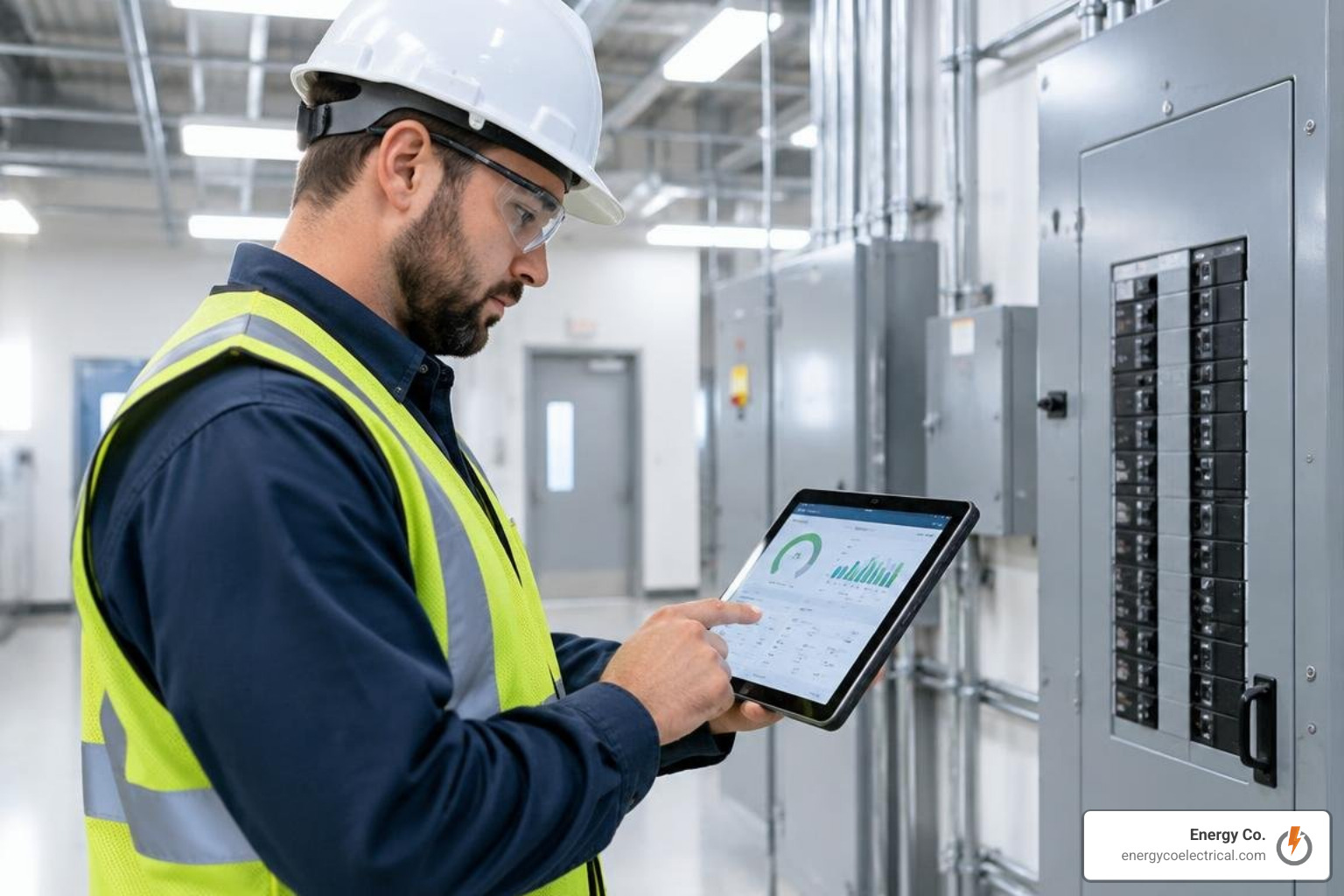
Commercial lighting upgrades are practical business investments that directly protect your operating margins. Lighting typically accounts for 20% to 40% of a commercial building’s total electricity consumption. Upgrading older discharge or fluorescent layouts to modern solid-state LEDs cuts lighting electrical draw by 40% to 70%.
When paired with reduced maintenance requirements—avoiding frequent lamp replacements, lift rentals, and ballast repairs—most organizations achieve a full return on investment (ROI) within a 2- to 3-year payback window. Reviewing strategic commercial electric solutions and incentives alongside targeted energy-saving commercial lighting upgrades provides a clear roadmap for long-term operational savings.
Retrofit vs. Full Fixture Replacement: Which Is Right for Your Facility?
Business owners typically choose between two primary upgrade paths:
- LED Retrofits (Ballast Bypass / Direct Wire): Retrofitting preserves the existing fixture housing while removing the outdated ballast and wiring line voltage directly to UL-classified LED linear tubes or retrofit kits. This approach requires less initial capital and is well-suited for drop ceilings with structurally sound troffers.
- Full Luminaire Replacement: This method completely removes the old housing and installs factory-sealed, architecturally integrated LED fixtures. While upfront investment is higher, full replacements offer better heat dissipation, advanced optical controls, extended warranties, and seamless integration with smart dimming platforms.
Maximizing Local Utility Rebates and Energy Incentives
Utility companies often provide cash incentives and prescriptive rebate programs to incentivize energy reduction across local commercial properties. These incentives offset a substantial portion of upfront procurement and installation expenses.
Qualified electrical contractors calculate your total lighting wattage reductions and submit pre-approval documentation to your local utility before installation begins. Leveraging prescriptive rebates (per-fixture incentives) or custom incentives (based on measured kilowatt-hour reductions) shortens project payback timelines and improves overall return on investment.
Step-by-Step Commercial Lighting Installation and Compliance Process

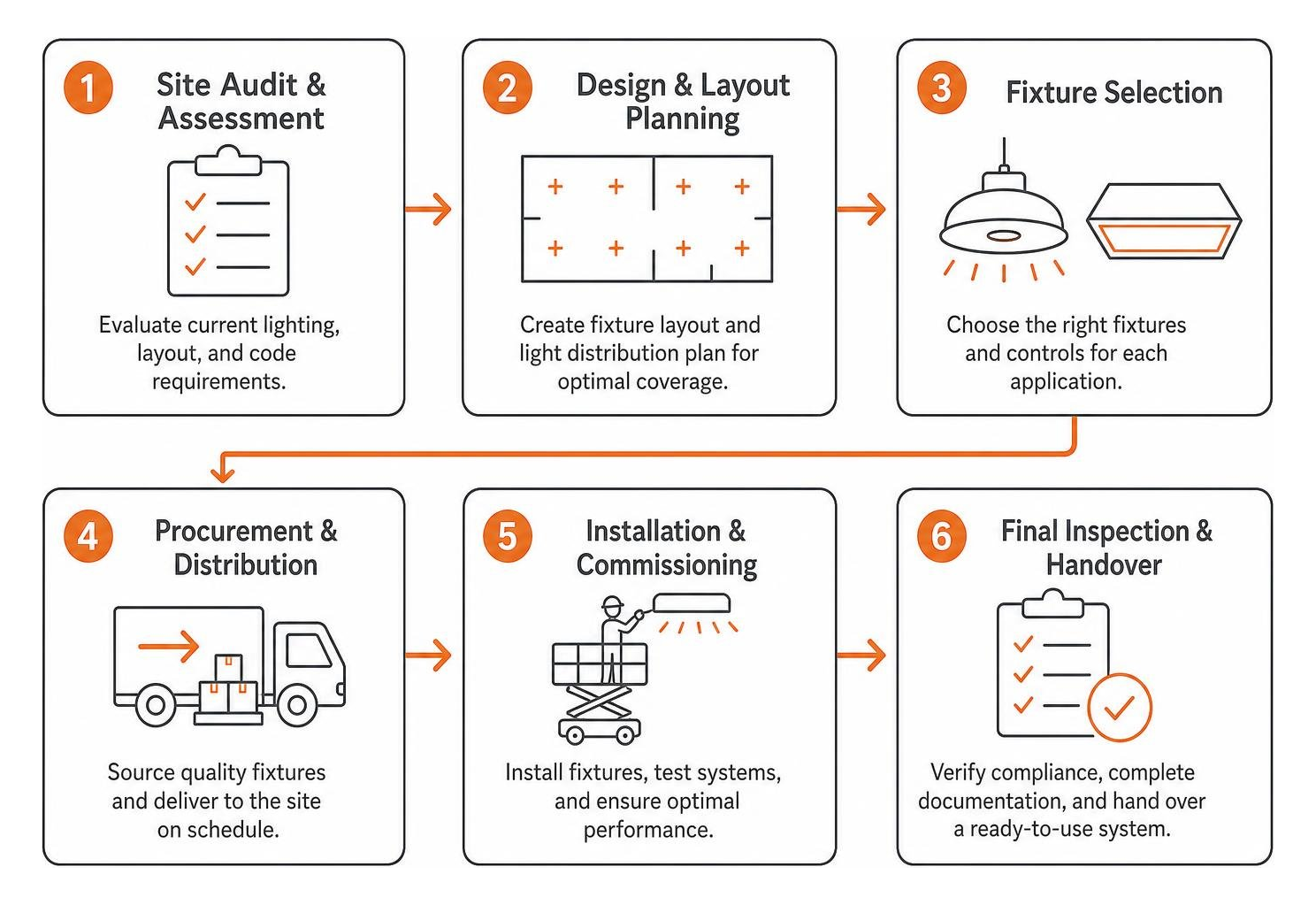
A successful commercial lighting installation follows a systematic workflow to ensure electrical safety, optimal illumination levels, and minimal interruption to your daily business operations.
During step four, master electricians evaluate your infrastructure using insights from the complete guide to commercial wiring and prepare your facility for formal commercial electrical inspections.
NEC, OSHA, and Local Building Code Compliance Standards
Commercial electrical systems are governed by strict regulatory frameworks designed to protect property and worker safety:
- NEC Article 410: Regulates the structural installation, grounding, clearance, and moisture ratings of commercial lighting fixtures.
- OSHA Illumination Standards (29 CFR 1926.56 / 1910.1200): Dictates minimum foot-candle levels across work surfaces, storage bays, and industrial production floors to reduce accidents.
- UL Listing & Ground-Fault Protection: Fixtures must be certified by an accredited testing laboratory (such as Underwriters Laboratories) and include GFCI/AFCI protection where water exposure or damp conditions exist.
Estimating Project Timelines for Commercial Lighting Installation Near Me
A standard turnkey installation typically wraps up within a 1- to 2-week window from the day materials arrive on site. Licensed commercial teams frequently work in structured phases or schedule installations during evenings and weekends. This off-hours flexibility ensures your staff can continue serving clients or managing production during the day without disruptions.
How to Select the Best Commercial Lighting Contractor
Choosing an experienced commercial electrical contractor ensures your lighting upgrade is safe, durable, and fully code-compliant. Industrial lighting is very different from residential wiring; it involves higher distribution voltages (such as 277V/480V three-phase systems), complex photometric calculations, and strict municipal building codes.
For detailed advice on vetting qualified providers, explore our guides on finding reliable commercial electrical contractors near me and hiring commercial electrical contractors.
Vetting Local Contractors for Commercial Lighting Installation Near Me
When reviewing bids from local electrical contractors, look for these practical qualifications:
- Licensing, Bonding, and Full Insurance: Confirm that the contractor holds an active Master Electrician license along with robust general liability and workers’ compensation coverage.
- Commercial Portfolio Experience: Ask for examples of past work in facilities similar to yours, such as office retrofits, high-bay warehouse builds, or retail store setups.
- Rebate Administration Support: Ensure the contractor manages the utility paperwork from start to finish rather than leaving the documentation to you.
- Transparent, Itemized Quotes: High-quality contractors provide detailed estimates that separate fixture pricing, labor costs, permit fees, and projected utility incentives.
Proactive Maintenance and Long-Term Warranty Protection
Even durable solid-state LEDs require periodic electrical checkups. Partnering with a team that offers strong manufacturer equipment warranties (5 to 10 years) alongside clear labor guarantees protects your investment over time.
Incorporating your new lighting into comprehensive proactive electrical repair plans ensures your distribution panels, surge suppression devices, and emergency battery systems run smoothly year after year.
Frequently Asked Questions About Commercial Lighting Installation
How long does a commercial LED lighting installation take?
Most commercial lighting installations are completed within 1 to 5 business days, depending on square footage, ceiling height, and fixture density. Standard office retrofits often wrap up in 1 to 2 days, while extensive industrial warehouse projects spanning tens of thousands of square feet typically take 3 to 5 days.
Can lighting installations be completed during off-hours to avoid disruption?
Yes. Professional commercial electricians regularly schedule work during evenings, overnights, or weekends. Phasing the installation during off-hours allows commercial facilities to maintain regular business operations without equipment downtime or foot-traffic interruptions.
What is the expected payback period for an LED commercial lighting retrofit?
Most commercial enterprises experience a complete return on investment within 2 to 3 years. This fast payback is driven by 40% to 70% drops in lighting power consumption, reduced HVAC loads from lower fixture heat output, minimal maintenance labor, and local utility rebate offsets.
Conclusion
Upgrading your commercial lighting transforms your facility into a modern, energy-efficient workspace. Modern solid-state LEDs lower operating overhead, brighten daily operations, and keep your property aligned with NEC and OSHA standards.
At Energy Co., we bring decades of hands-on commercial experience to every installation across Chicago and the surrounding Northwest Suburbs. Whether you operate a distribution warehouse in Elk Grove Village, a corporate office in Schaumburg, or a retail storefront in Arlington Heights, our licensed master electricians deliver dependable, code-compliant solutions backed by our 100% satisfaction guarantee.
Ready to improve your facility’s energy efficiency and upgrade your workspace lighting? Explore our full suite of professional commercial electrical services or connect with our master electricians today to book your on-site commercial lighting assessment!