Is Your Cook County Home’s Wiring Keeping Up With 2026?
Whole house rewiring in Cook County is one of the most important — and most overlooked — upgrades an older home can get. Here is what whole house rewiring Cook County homes involves and why it matters.
Here’s a quick snapshot of what you need to know:
| Question | Quick Answer |
|---|---|
| Who needs it? | Homes built before 1980, especially those with knob-and-tube, aluminum, or cloth-covered wiring |
| How long does it take? | Typically 3–10 days depending on home size and complexity |
| What does it cost in Illinois? | Roughly $4,200–$15,750, with an Illinois average around $8,925 |
| Do you need a permit? | Yes — always, whether you’re in Chicago or unincorporated Cook County |
| Can you stay home during the work? | Usually yes, using a room-by-room phased approach |
| Does it increase home value? | Yes — and it can also lower insurance premiums or prevent coverage denial |
Cook County is home to tens of thousands of houses built before 1980 — bungalows, ranches, two-flats — all running on electrical systems that were never designed for today’s smart appliances, EV chargers, or home offices. The wiring that worked fine in 1955 is now a real safety risk.
The problem isn’t just inconvenience. Outdated wiring is one of the leading causes of residential fires in the Chicago area. Loose connections, ungrounded outlets, and overloaded circuits can cause heat to build up behind your walls — completely out of sight until it’s too late.
I’m Michał Napieralski, founder of Energy Co. and a licensed electrician serving the Chicago suburbs, with years of hands-on experience handling whole house rewiring in Cook County — from aging bungalows in Oak Lawn to post-war ranches in the northern suburbs. Whether you’re dealing with flickering lights, a failed home inspection, or wiring that hasn’t been touched in decades, this guide walks you through everything you need to make a confident, informed decision.
Hidden Dangers: Why Older Cook County Homes Need Electrical Modernization
When you look at your drywall, everything probably looks perfectly normal. But behind that paint and plaster, your electrical system could be fighting a losing battle against time. The physical demands we place on our homes in July 2026 are astronomical compared to fifty years ago. Between dual home offices, smart appliances, high-powered HVAC systems, and electric vehicle chargers, older wiring simply gets pushed past its safe limits.
To understand how your system operates, you can read A Comprehensive Guide to Rewiring Basics. When wires are forced to carry more current than they were designed for, they heat up. Over decades, this thermal stress degrades insulation, loosens connections, and creates serious fire hazards right under your nose.
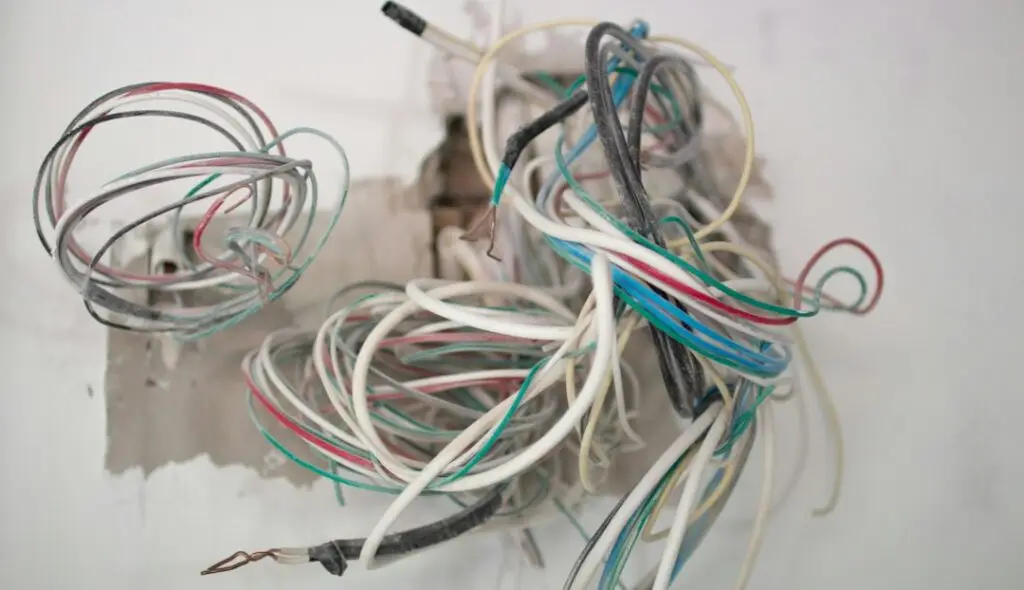
Recognizing the Warning Signs of Outdated Wiring
How do you know if your walls are hiding a ticking time bomb? Fortunately, your home usually tries to warn you before a major failure occurs. Keep an eye (and ear) out for these classic red flags:
- Flickering or Dimming Lights: If your kitchen lights dim every time the refrigerator kicks on or the microwave runs, your circuits are overloaded.
- Warm Outlets or Switch Plates: Outlets should never feel warm to the touch. If they do, it means electricity is meeting resistance and generating heat behind the plate.
- Tripped Breakers or Blown Fuses: If you find yourself making regular trips to the basement to flip a breaker back on, your system is crying for help.
- Burning Smells: A faint, plastic-like burning smell near an outlet or your panel is an immediate emergency. It means wire insulation is actively melting.
- Buzzing Sounds: Safe electricity is silent. A persistent buzzing or crackling noise behind a wall or outlet indicates active electrical arcing.
The Risks of Knob-and-Tube, Aluminum, and Cloth-Covered Systems
If your home was built before 1980, there is a high probability it contains one of three historically popular, yet now hazardous, wiring types:
- Knob-and-Tube (K&T): Common in homes built before 1940, K&T wiring consists of single insulated copper conductors run through porcelain insulating tubes. It lacks a ground wire, meaning it cannot safely support modern three-prong appliances. Furthermore, K&T relies on free air space to dissipate heat; if modern insulation has been packed around it, the risk of fire skyrockets. If you have this system, you’ll want to focus on finding a Chicago electrician for knob-and-tube who knows how to safely decommission it.
- Aluminum Wiring: Popular in the late 1960s and early 1970s due to high copper prices, aluminum expands and contracts much more than copper when heated. This leads to loose connections at outlets and switches, causing electrical arcing and fires.
- Cloth-Covered Systems: Used extensively mid-century, cloth-insulated wire becomes brittle with age. It flakes off, leaving bare copper exposed inside your walls. While cloth-insulated circuits are technically grandfathered in under older building codes if they are part of the original home, any modifications require upgrading to modern standards.
Navigating the Rules: Chicago vs. Cook County Electrical Code
Navigating local building codes in the Chicagoland area can feel like trying to solve a maze in the dark. The rules change depending on whether you live inside Chicago city limits, in an incorporated suburb like Palatine, or in an unincorporated pocket of Cook County. For national context, the National Fire Protection Association publishes NFPA 70, the National Electrical Code, which many local jurisdictions use as the basis for their electrical safety rules.
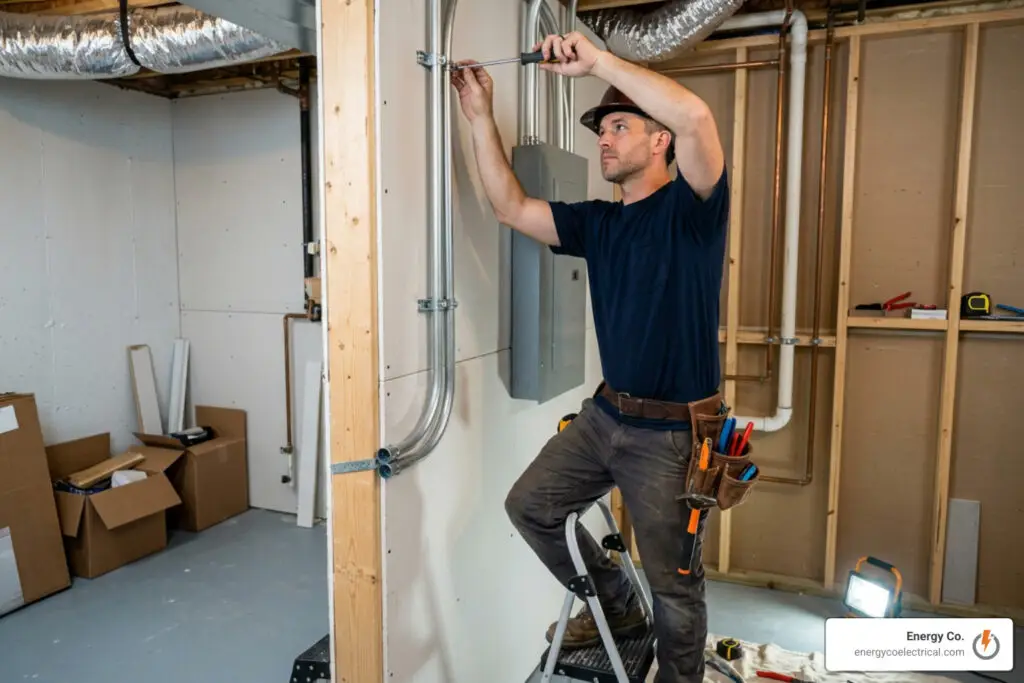
Key Differences in the Chicago and Cook County Electrical Code
The single biggest distinction you need to understand is the use of EMT (Electrical Metallic Tubing) metal conduit.
- The City of Chicago Electrical Code is famously strict. It completely prohibits the use of non-metallic sheathed cable (commonly known as Romex) and BX flexible armored cable for new installations. Instead, all electrical conductors must be pulled through rigid metal raceways or EMT conduit. This code applies to all properties within the city limits of Chicago.
- The Cook County Electrical Code governs unincorporated areas of the county. While it aligns closely with the National Electrical Code (NEC) and allows Romex in certain residential applications, many surrounding incorporated suburbs have adopted local amendments that mimic Chicago’s strict conduit requirements.
For example, if you need electrical services in Palatine or are looking for a Streamwood electrician, municipal codes often mandate conduit or specific metal-clad wiring to ensure maximum protection against physical damage and rodents.
Permits, Inspections, and Verifying Licensed Electricians
Because of the high risks involved, a whole house rewiring in Cook County is never a DIY project, nor is it a job for an unlicensed “handyman.”
To protect your family, your home, and your wallet, always ensure:
- Permits are Pulled: Any reputable contractor will pull permits with the local municipality (or Cook County Building and Zoning department if you are in an unincorporated area).
- Inspections are Completed: A city or county inspector will review the “rough-in” work before the walls are closed up, and perform a final inspection once the switches and outlets are trimmed out.
- Licensing is Verified: Chicago and Cook County require electricians to hold a Supervising Electrical License. Never hesitate to ask for their license number and proof of liability insurance. Taking these steps is essential for avoiding bad contractors during a remodel.
The Process, Timeline, and Cost of Whole House Rewiring Cook County
If the thought of rewiring your entire house makes you picture your home looking like an active archeological dig site, take a deep breath. Modern rewiring techniques have come a long way.
Step-by-Step Timeline and Disruption of a Whole House Rewiring Cook County Project
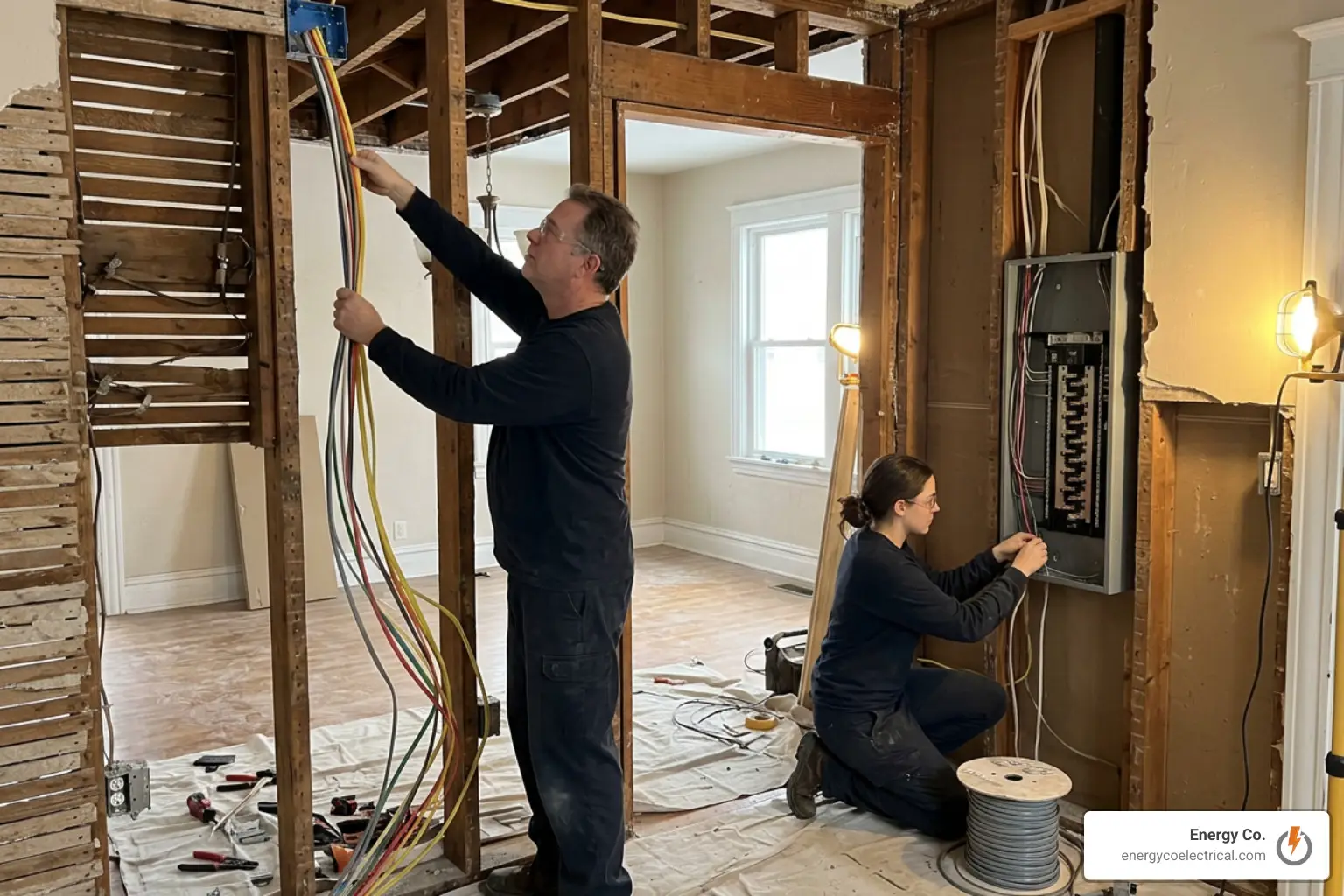
A professional whole house rewiring in Cook County typically takes between 1 to 2 weeks for an average-sized home. Instead of tearing down all your drywall, experienced electricians use specialized fish tapes and wire-pulling systems to snake new wires through finished walls.
Here is what you can expect during the process:
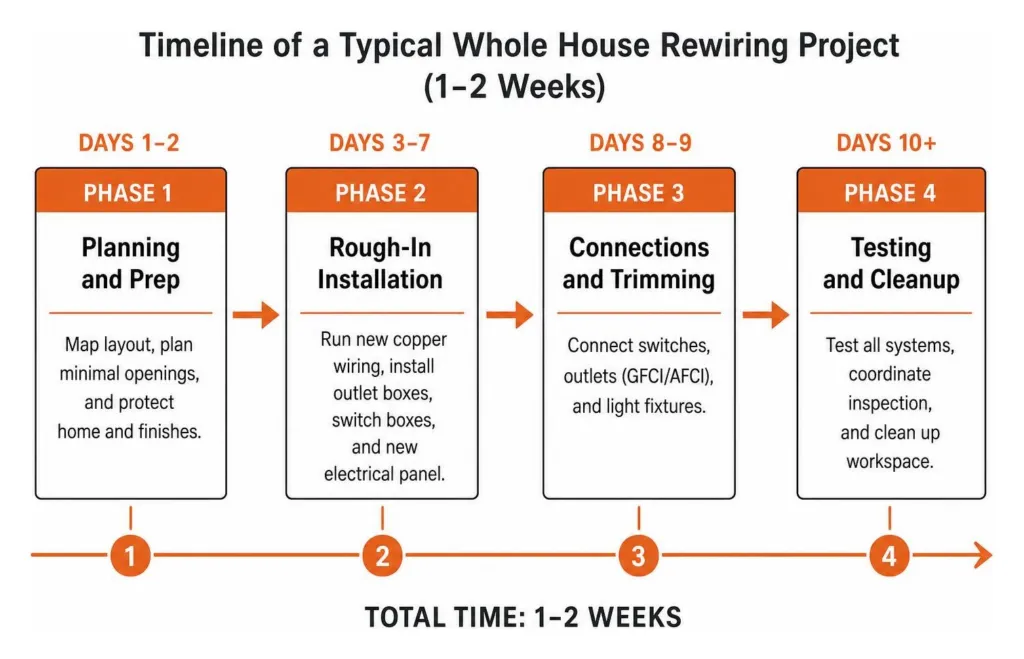
- Phase 1: Planning and Prep (Days 1–2): We map out your new electrical layout, identify where to make minimal, strategic cuts in the drywall, and protect your furniture and floors.
- Phase 2: Rough-In Installation (Days 3–7): We run the new copper wiring (typically 12 AWG or 14 AWG) and install new outlet boxes, switch boxes, and a modern electrical panel.
- Phase 3: Connections and Trimming (Days 8–9): We connect your new switches, outlets (including GFCI and AFCI protection), and light fixtures.
- Phase 4: Testing and Cleanup (Days 10+): We perform rigorous safety testing, coordinate the municipal inspection, and clean up the workspace.
If you only need a portion of your home updated, here is how a partial project compares to a complete overhaul:
| Project Scope | Typical Duration | Best For |
|---|---|---|
| Partial Rewire | 2–5 Days | Specific room remodels (kitchen/bath) or extending an existing safe panel |
| Complete Rewire | 1–2 Weeks | Homes with knob-and-tube, aluminum, or ungrounded mid-century systems |
Cost Breakdown and Factors for Whole House Rewiring Cook County
The cost of rewiring your home depends on several variables, including the size of your home, wall accessibility (plaster is harder to work with than modern drywall), and whether you need to upgrade your main panel.
In Illinois, the average cost for whole-home rewiring runs around $8,925, with typical ranges falling between $4,200 and $15,750. For a detailed look at how these numbers are calculated, check out our guide on 1500 sq ft house rewiring costs.
Common cost drivers include:
- Panel Upgrades: Upgrading from an old fuse box or a 100-amp panel to a modern 200-amp panel typically adds $1,500 to $3,000 to the project.
- Wall Materials: Older historic lath-and-plaster walls require more time and precision to fish wires through than standard drywall, which can increase labor costs.
- Conduit Requirements: If you are within Chicago limits or a suburb requiring full EMT conduit, material and labor costs will be higher than in areas where flexible metal cabling is permitted.
For those in the northwest suburbs, you can also explore localized rates in Rolling Meadows or Elk Grove Village.
Maximizing Your Investment: Insurance, Home Value, and Local Incentives
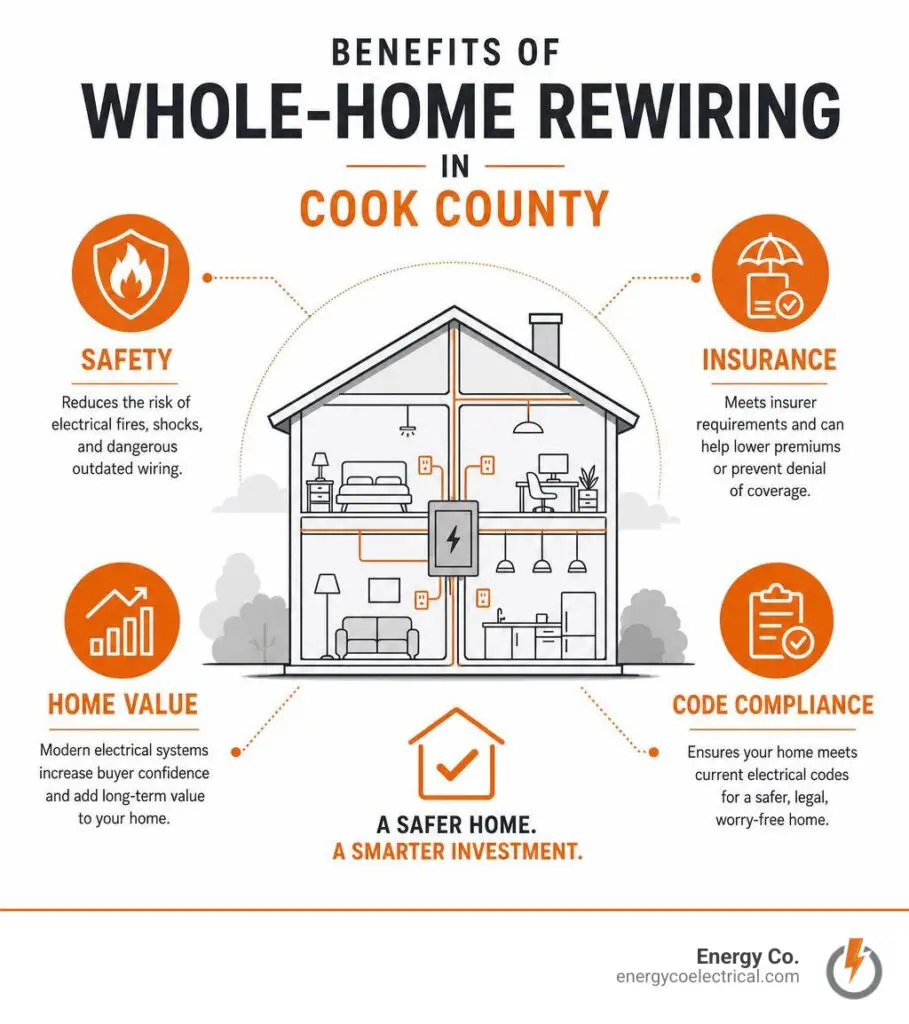
While rewiring is a significant upfront investment, it is one of the few home improvement projects that pays you back in safety, property value, and peace of mind.
How Rewiring Affects Home Insurance and Property Value
Did you know that many insurance companies in Illinois will outright deny coverage—or charge astronomical premiums—if they discover a home has active knob-and-tube or ungrounded aluminum wiring?
By upgrading to a modern, code-compliant copper system:
- You Protect Your Insurance Eligibility: You avoid sudden policy cancellations or denied claims.
- You Boost Resale Value: Buyers in 2026 are smart. A home inspection that flags outdated wiring can tank a sale or force you to make price concessions. Having a certified, fully rewired home is a massive selling point.
- You Lower Utility Risks: Modern, efficient connections reduce energy waste and prevent costly damage to sensitive electronics from power surges.
Warranties, Financing, and Local Electrical Upgrade Programs
We believe safety upgrades should be accessible to every family. When hiring an electrical contractor, always look for companies that provide a written warranty on both labor and materials.
Additionally, look out for:
- Federal Tax Credits: Under current energy initiatives, you may qualify for federal tax credits when upgrading your electrical panel in conjunction with energy-efficient improvements.
- Local Financing: Many reputable local contractors offer flexible financing options to spread the cost of a whole-house rewire over manageable monthly payments.
- Suburban Programs: Depending on your location, such as if you are looking for a Hanover Park electrician, there may be local municipal grants or assistance programs for historic home preservation and safety upgrades.
Frequently Asked Questions About Rewiring in Chicagoland
Can I live in my home during a whole-house rewire?
Yes! In almost all cases, you do not need to pack up and move out. We work in a phased, room-by-room approach. This means we only cut power to the specific area we are working on each day, ensuring you still have electricity, refrigeration, and internet access in the rest of the house overnight.
Why does Chicago require metal conduit instead of Romex?
The Chicago conduit requirement dates back to the lessons learned from the Great Chicago Fire of 1871. Metal conduit provides unparalleled protection against physical damage (like accidentally driving a nail through a wall) and prevents rodents from chewing through live wires. It also acts as an extra ground path, making Chicago’s electrical systems some of the safest in the world.
How do I know if my electrician is licensed in Cook County?
You can verify an electrician’s status by asking to see their pocket license card, which displays their Supervising Electrician License number issued by the City of Chicago or another recognized municipal licensing authority. You can also check municipal licensing databases online or ask them to provide a current certificate of insurance naming you as an additional insured for the duration of the project.
Conclusion
Your home’s electrical system shouldn’t be a source of anxiety. Upgrading your wiring isn’t just about meeting building codes; it’s about protecting the people and memories inside your home.
At Energy Co., we specialize in bringing Cook County’s beautiful, historic homes into the modern era safely and efficiently. Our team of fully licensed, insured professionals is committed to delivering neat, code-compliant installations backed by our satisfaction guarantee.
If you’re ready to clear out the old knob-and-tube, stop tripping breakers, or prepare your home for an EV charger, we are here to help. Schedule an electrical panel upgrade or contact us today to book your comprehensive home electrical assessment!