Last updated:
How to Plan an Emergency Lighting Installation in Arlington Heights
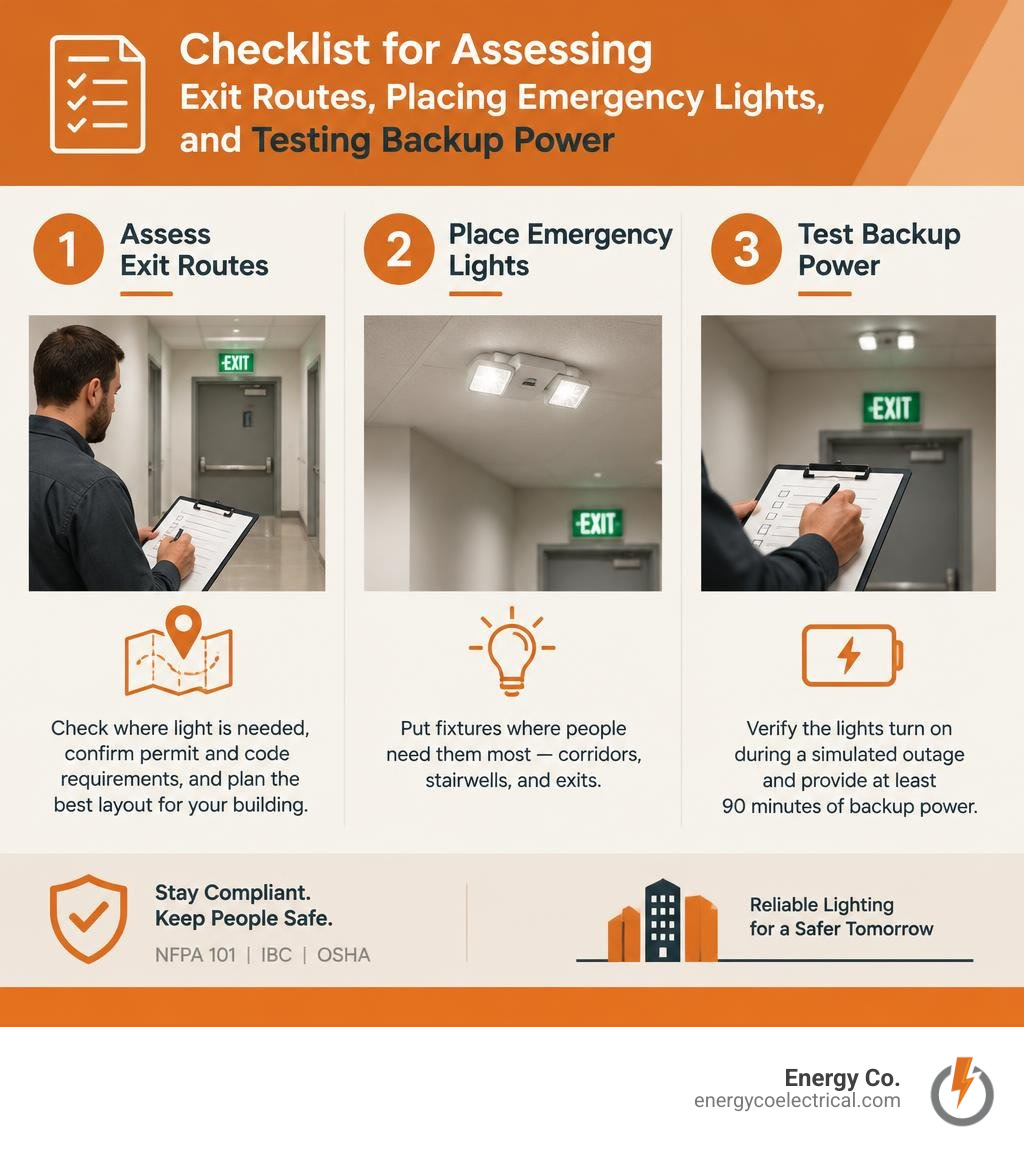
Start with a walk-through of every exit route. For an emergency lighting installation in Arlington Heights, hire a qualified electrical contractor to check where light is needed, confirm permit and code requirements with the Village, and choose fixtures with reliable backup power. Before the job is complete, have the contractor test the lights during a simulated outage and give you a record of the results.
Table of Contents
This matters most in corridors, stairwells, and exits where people must be able to find their way out if power fails. The right layout depends on your building, not just the number of fixtures you buy.
I’m Michał Napieralski, and I’ll walk you through what to ask for at each step.
Relevant articles related to emergency lighting install Arlington Heights:
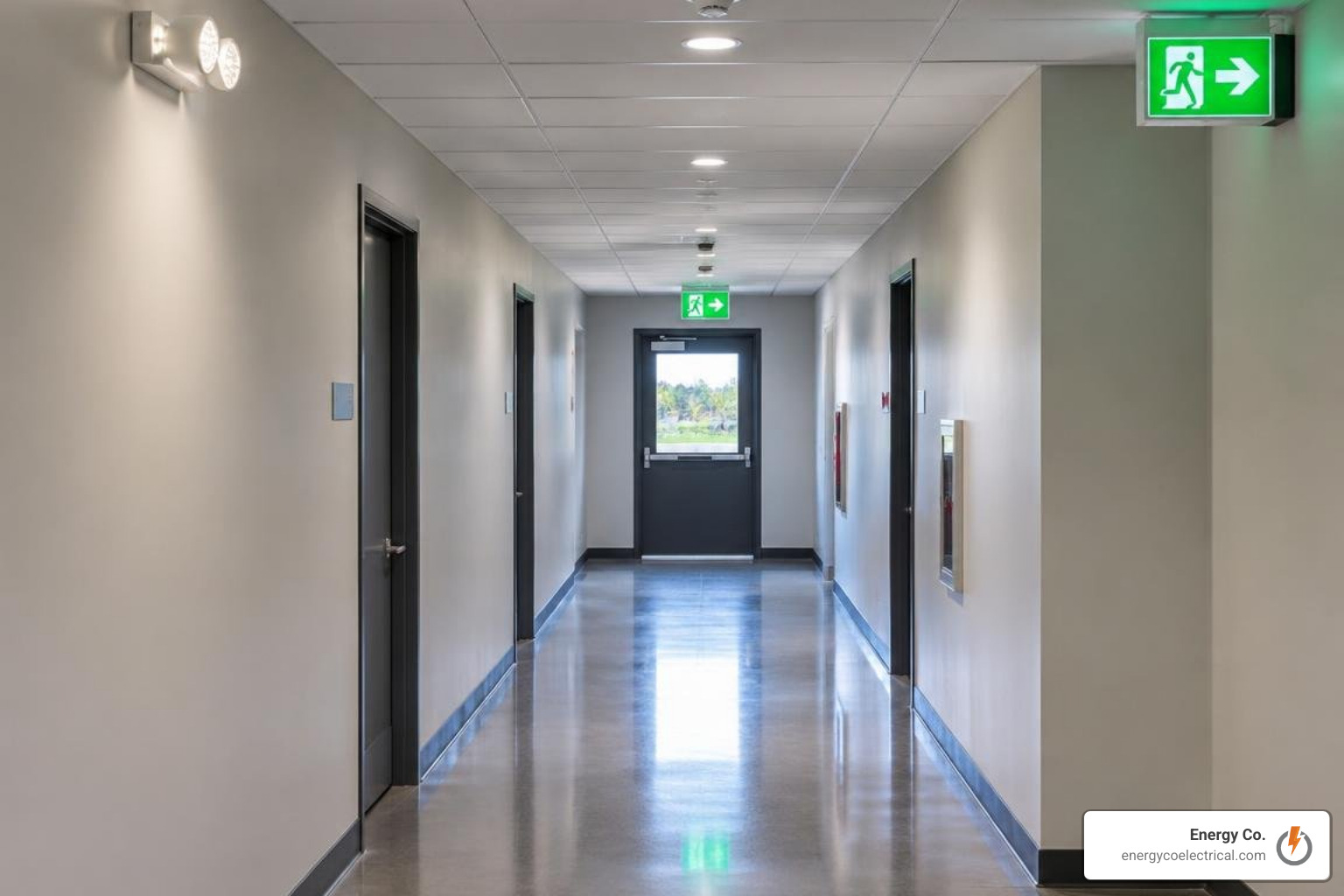
When severe storms sweep across Cook County or an unexpected transformer fault plunges your facility into darkness, reliable backup illumination prevents panic and protects human life. The National Fire Protection Association (NFPA 101 Life Safety Code), the International Building Code (IBC), and OSHA mandate strictly maintained emergency egress illumination across all commercial spaces. Under these standards, emergency units must instantly illuminate the egress path upon main power failure and provide a minimum 90-minute battery duration. Meeting these rigorous life safety compliance standards requires a well-calculated layout tailored to your specific commercial property.
Step-by-Step Guide to Emergency Lighting Install Arlington Heights
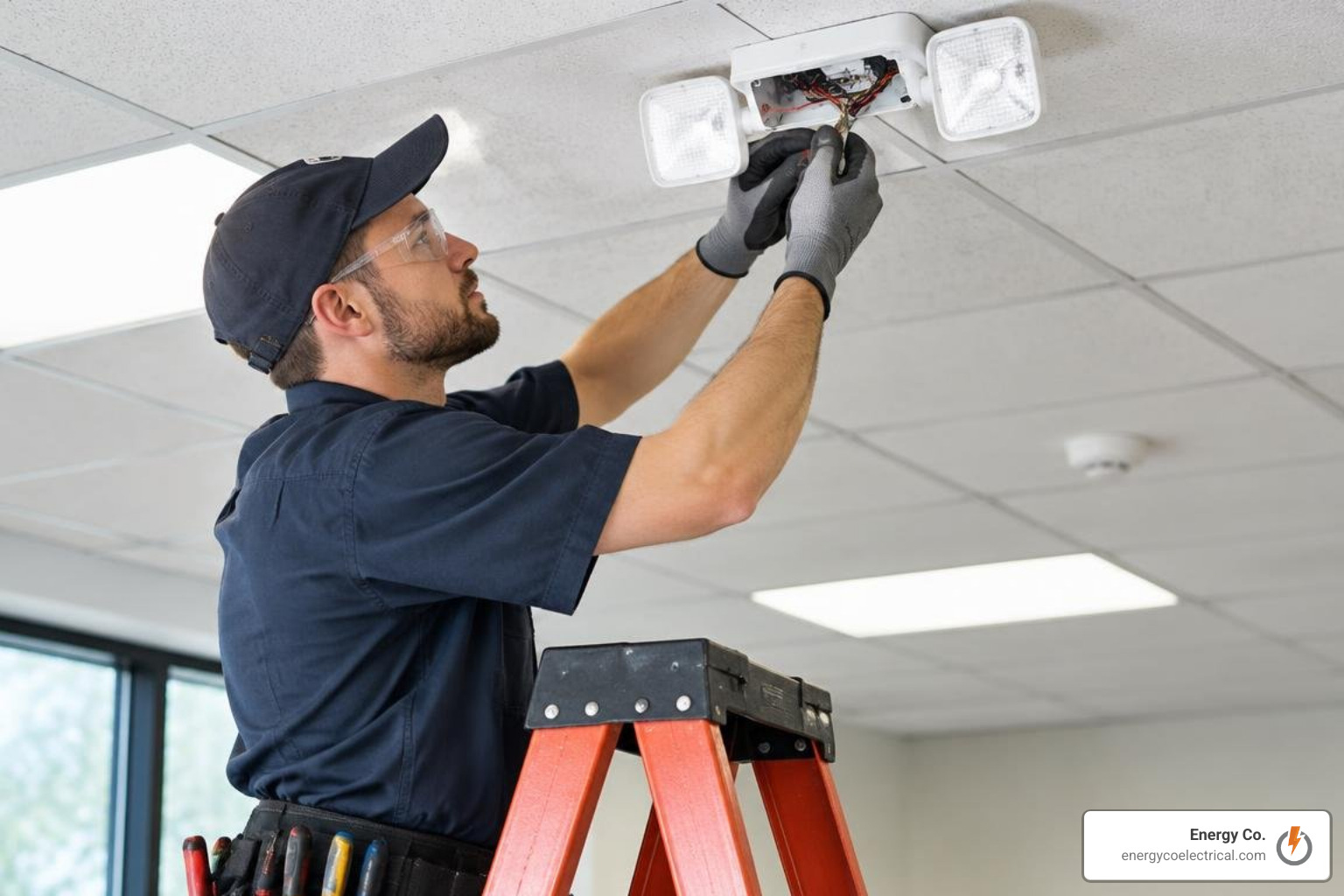
Achieving code compliance involves far more than mounting a few “bug-eye” lights over doors. Professional installation demands detailed engineering, clean conduit work, and careful integration with existing infrastructure. When undertaking a professional emergency lighting install Arlington Heights property managers must follow a structured, multi-phase process to guarantee safety and pass village inspections.
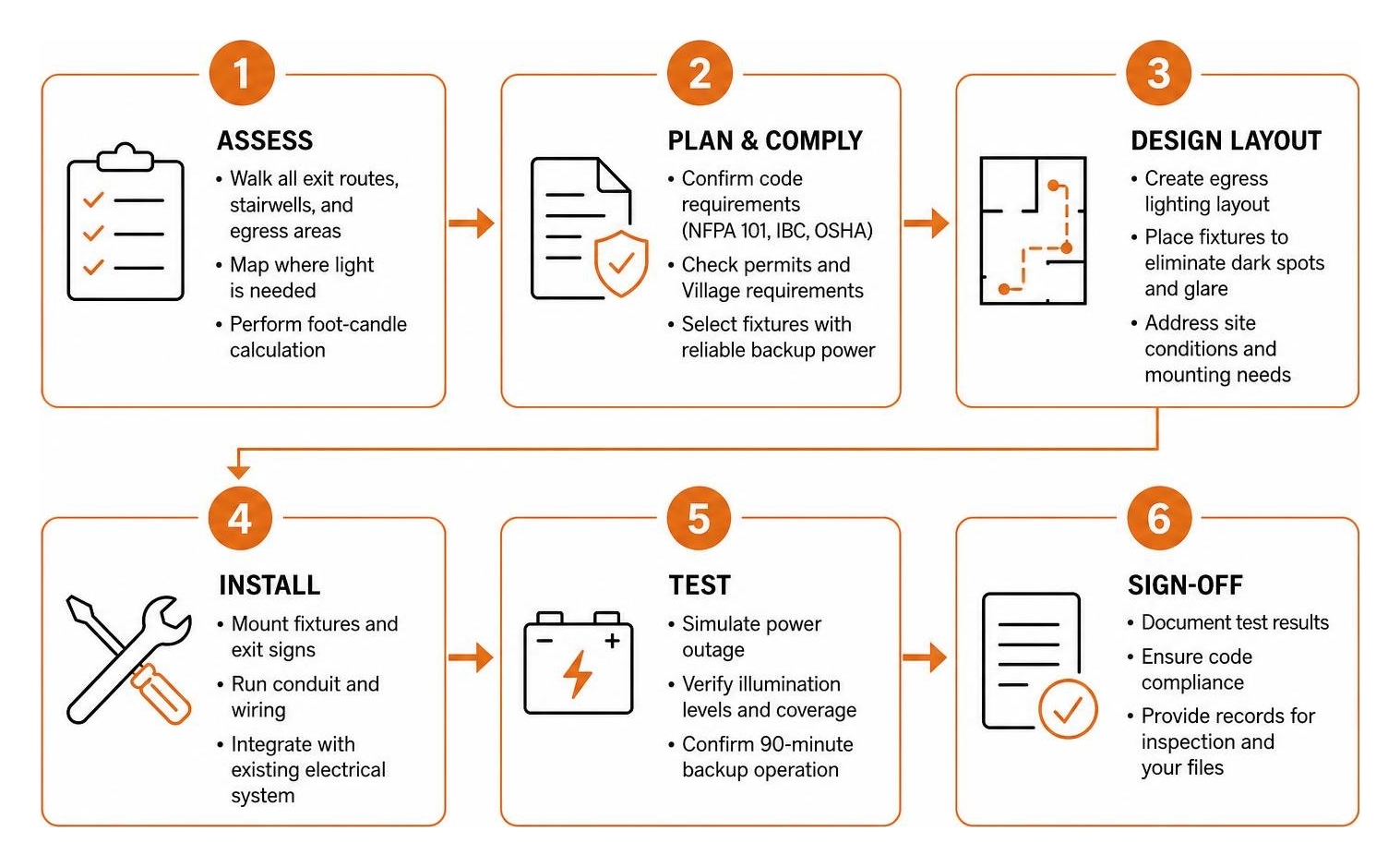
Step 1: Conducting a Facility Egress Assessment
The installation begins with a comprehensive site assessment and photometric layout. Our licensed electricians map out all designated exit pathways, stairwells, blind corridors, large open workrooms, and final exterior exit discharges.
We perform precise foot-candle calculations to ensure that every foot along the exit access meets local requirements. Arlington Heights enforces specific Cook County building amendments alongside standard IBC rules, requiring illumination levels that eliminate dark spots and glare. During this stage, we also identify special site conditions, such as high ceilings in industrial parks or tight dropped ceilings in medical suites, to select fixtures with the proper beam spread and mounting profiles.
Step 2: Wiring and Integrating Backup Power Systems
Once the photometric plan is finalized and permits are secured from the Village of Arlington Heights Building & Life Safety Department, physical installation begins.
- Circuit Architecture: Emergency units must be wired into dedicated branch circuits that correspond directly to the area’s normal lighting circuits. This ensures that if a localized circuit breaker trips—plunging a hallway into darkness while the main utility remains on—the emergency lights will activate automatically.
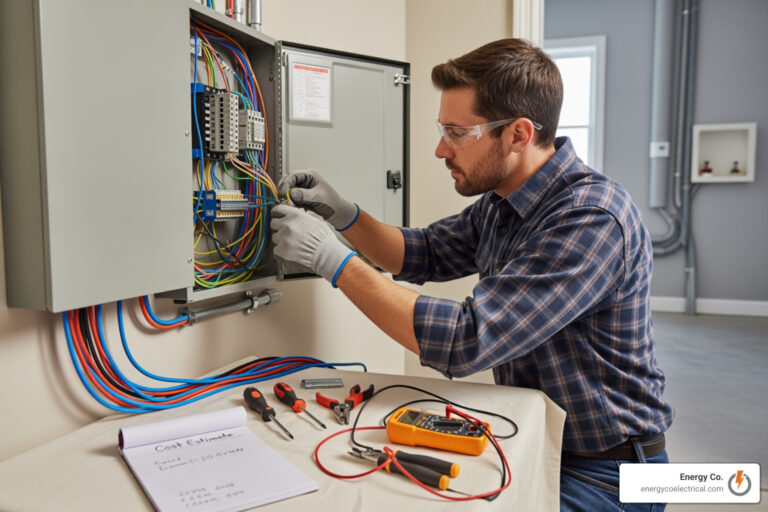
- Conduit and Cabling: Our technicians run commercial-grade EMT conduit and secure junction boxes in accordance with NEC Article 700. For comprehensive building protection, we often coordinate installations alongside broader emergency electrical services to resolve panel capacity issues.
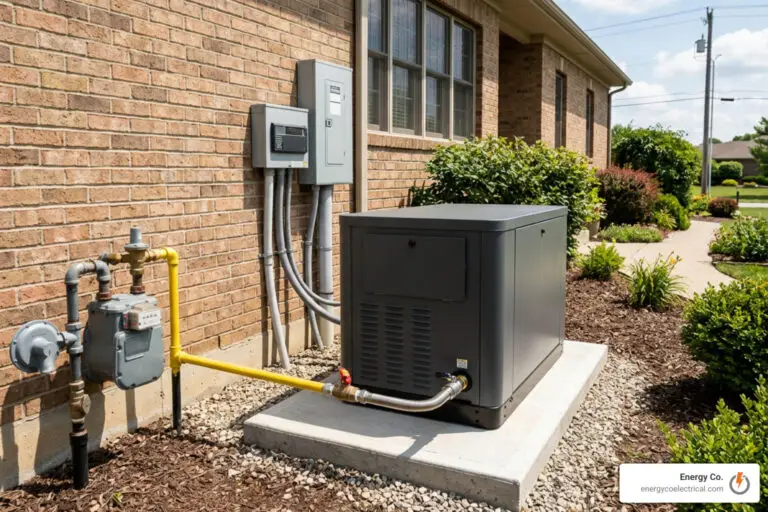
- Power Integration: Depending on your system design, we install emergency battery ballasts within normal fixtures, mount remote lamp heads powered by centralized inverters, or wire automatic transfer switches linked to your auxiliary generator.
Step 3: Performing 90-Minute Discharge and Local Inspection Testing
The final phase proves system reliability. We verify each fixture’s push-to-test button, then conduct a full simulated utility power outage. Every battery-backed unit, combo exit sign, and central inverter must maintain code-required illumination levels for a continuous 90 minutes.
Following successful internal testing, we host the local Arlington Heights electrical inspector on-site. Once the inspector verifies proper conduit support, correct breaker lockouts, and illumination metrics, we log the results into an official compliance binder for your ongoing municipal and fire department records.
Selecting the Right Emergency Lighting System for Your Facility
Every commercial building possesses unique operational requirements, architectural features, and risk profiles. Choosing the appropriate hardware ensures your emergency lighting operates reliably while blending seamlessly with your interior design.
| System Type | Best Suited For | Key Advantages | Maintenance Considerations |
|---|---|---|---|
| Self-Contained Units (Unit Equipment) | Retail storefronts, small offices, restaurants | Low initial cost; simple point-to-point installation; decentralized failure risk | Individual battery testing and replacement across dozens of independent units |
| Central Inverter Systems | Multi-story offices, schools, medical facilities | Powers standard architectural LED fixtures; single centralized battery bank to test | Higher upfront investment; requires dedicated electrical closet space |
| Generator-Backed Egress | Large industrial plants, healthcare, cold storage | Indefinite run time while fueled; high wattage capacity | Requires automatic transfer switches (ATS) and periodic mechanical servicing |
In addition to electric illumination, many businesses combine active fixtures with non-electric photoluminescent exit signage along primary corridors. These glow-in-the-dark signs absorb ambient room light and serve as redundant fail-safes during sudden, prolonged blackouts.
Commercial and Office Buildings: Emergency Lighting Install Arlington Heights
Professional office suites, banks, and boutique retail storefronts in downtown Arlington Heights require safety hardware that does not compromise aesthetics. For these properties, we install architectural recessed fixtures, slim edge-lit LED exit signs, and low-profile emergency heads that sit flush against finished drywall. These modern fixtures offer superior lumen output while drawing minimal power, reducing overall load on your electrical distribution panels.
Industrial and Older Facilities: Emergency Lighting Install Arlington Heights
Industrial warehouses, logistics hubs, and manufacturing facilities across the Northwest Suburbs face tough environmental conditions. Heavy vibration, dust, and moisture demand heavy-duty NEMA 4X weather-rated enclosures and Class I Division 2 fixtures for hazardous locations.
When working in older Chicagoland properties with brick or concrete construction, retrofitting requires surface-mounted metal conduit and upgraded panelboards. Additionally, exterior exit pathways must remain brightly illuminated. Integrating building perimeter egress with rugged outdoor lighting fixtures ensures staff can safely navigate steps, walkways, and parking lot muster areas during freezing Illinois winter conditions, where cold-weather battery heaters prevent premature cell failure.
Arlington Heights Codes, Permitting, and Maintenance Compliance
Operating a commercial facility in Arlington Heights requires strict adherence to Village municipal amendments, the International Building Code, and National Electrical Code (NEC Article 700). Electrical work must be permitted, executed by a licensed electrical contractor, and thoroughly documented. Partnering with a top-rated lighting contractor in Chicago and the Northwest Suburbs guarantees your business avoids failed life safety inspections, costly project delays, or insurance liabilities.
To maintain compliance after installation, business owners must follow standard NFPA testing intervals:
- Monthly 30-Second Functional Test: Depress the push-to-test button on all self-contained units for 30 seconds to confirm the lamp heads illuminate and the battery transfers load without flickering.
- Annual 90-Minute Battery Discharge Test: Disconnect primary AC power to simulate an extended outage. All backup fixtures must remain operational at rated brightness for the full hour and a half.
- Record Keeping: Maintain written or digital testing logs on-site detailing dates, technician signatures, and any replaced components for annual review by the Arlington Heights Fire Department.
Beyond compliance, modernizing outdated incandescent or fluorescent emergency units with energy-efficient LED models yields substantial ongoing savings. Commercial properties can frequently take advantage of ComEd energy efficiency rebates to offset upfront upgrade costs. Safe, well-lit facilities create a secure workplace environment, supporting overall workplace wellness and safety for employees and visitors alike.
Frequently Asked Questions About Emergency Lighting in Arlington Heights
How many foot-candles of light are required along egress paths?
Under NFPA 101 and the IBC, emergency illumination along the designated path of egress must provide an initial average of 1.0 foot-candle (10.8 lux) and a minimum of 0.1 foot-candle at any single point along the floor. Over the full 90-minute discharge period, lighting levels are permitted to decline gradually to an average of 0.6 foot-candles and a minimum of 0.06 foot-candles. Stairwells, turning points, and exit door thresholds must always maintain clear, shadow-free visibility to prevent tripping hazards during an evacuation.
How often do emergency lighting batteries need replacement?
Most commercial emergency light fixtures utilize either sealed lead-acid (SLA) or nickel-cadmium (NiCad) batteries, which typically carry an operational lifespan of 3 to 5 years. However, high ambient temperatures, frequent power fluctuations, and aging internal charging circuits can shorten this timeline. If a unit dims significantly or shuts off before the completion of the annual 90-minute load test, the battery or entire unit must be replaced immediately.
Do local businesses in Arlington Heights need permits for emergency light installation?
Yes. The Village of Arlington Heights requires electrical permits for installing new emergency lighting systems, extending branch circuits, or performing significant panel retrofits. A licensed, insured electrical contractor must submit plans detailing fixture schedules, egress paths, and electrical loads for municipal plan review prior to starting work. Once installation is finished, rough and final inspections by village electrical inspectors are mandatory to obtain an approved Certificate of Occupancy or life safety sign-off.
Conclusion
A code-compliant emergency lighting system is a fundamental pillar of commercial life safety. From initial photometric design and permitting to meticulous conduit installation and final 90-minute testing, working with experienced professionals ensures that your building remains secure, compliant, and ready for any emergency.
At Energy Co., our team of licensed electricians brings extensive local expertise to commercial properties throughout Arlington Heights, Cook County, and the surrounding Chicagoland area. Whether you are upgrading an older facility, fitting out a new retail space, or scheduling mandatory annual discharge testing, we provide reliable power solutions backed by our satisfaction guarantee. Explore our specialized commercial wiring and safety installation services today to keep your business bright, protected, and fully code-compliant.