Last updated:
What Does an Automatic Standby Generator Cost?
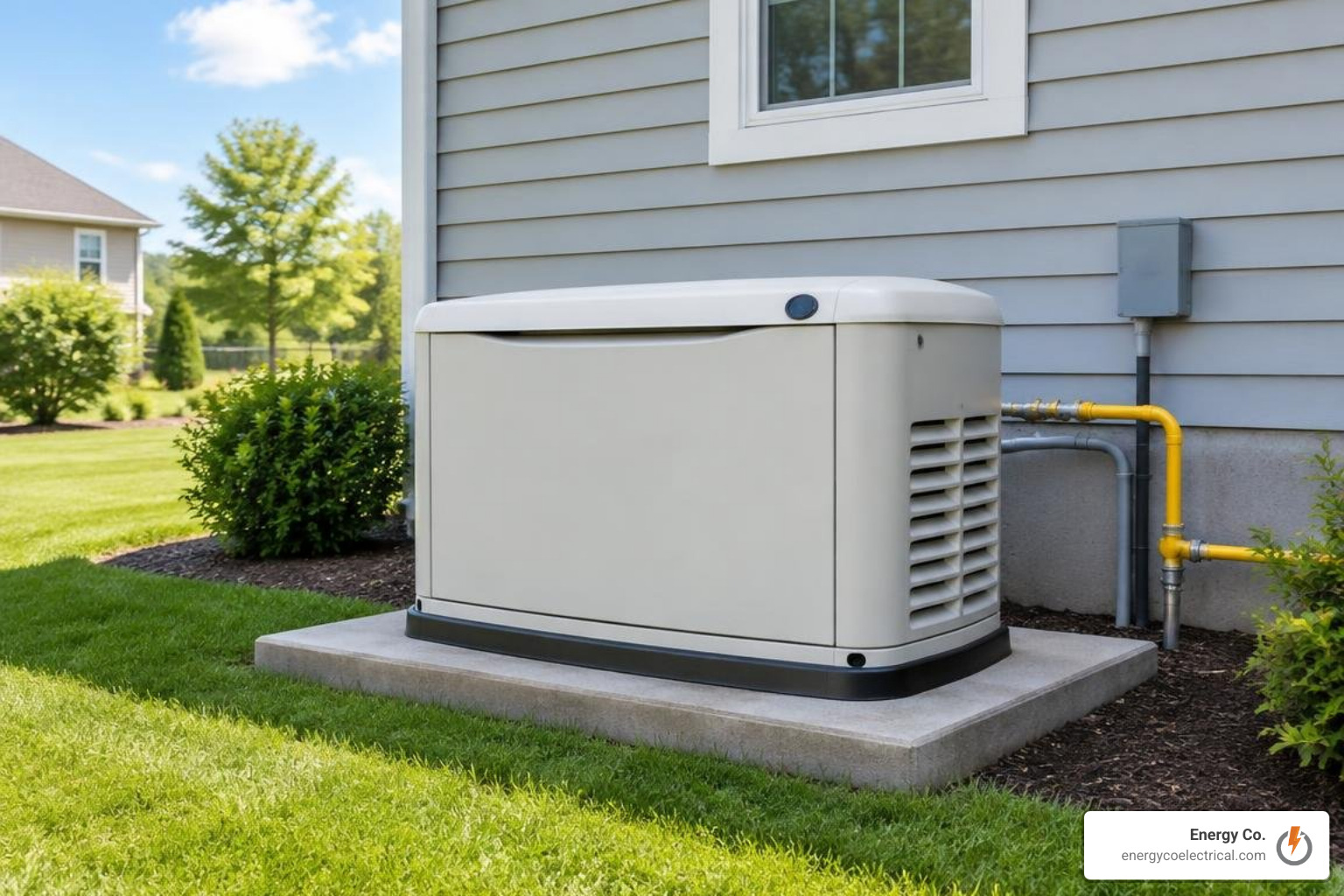
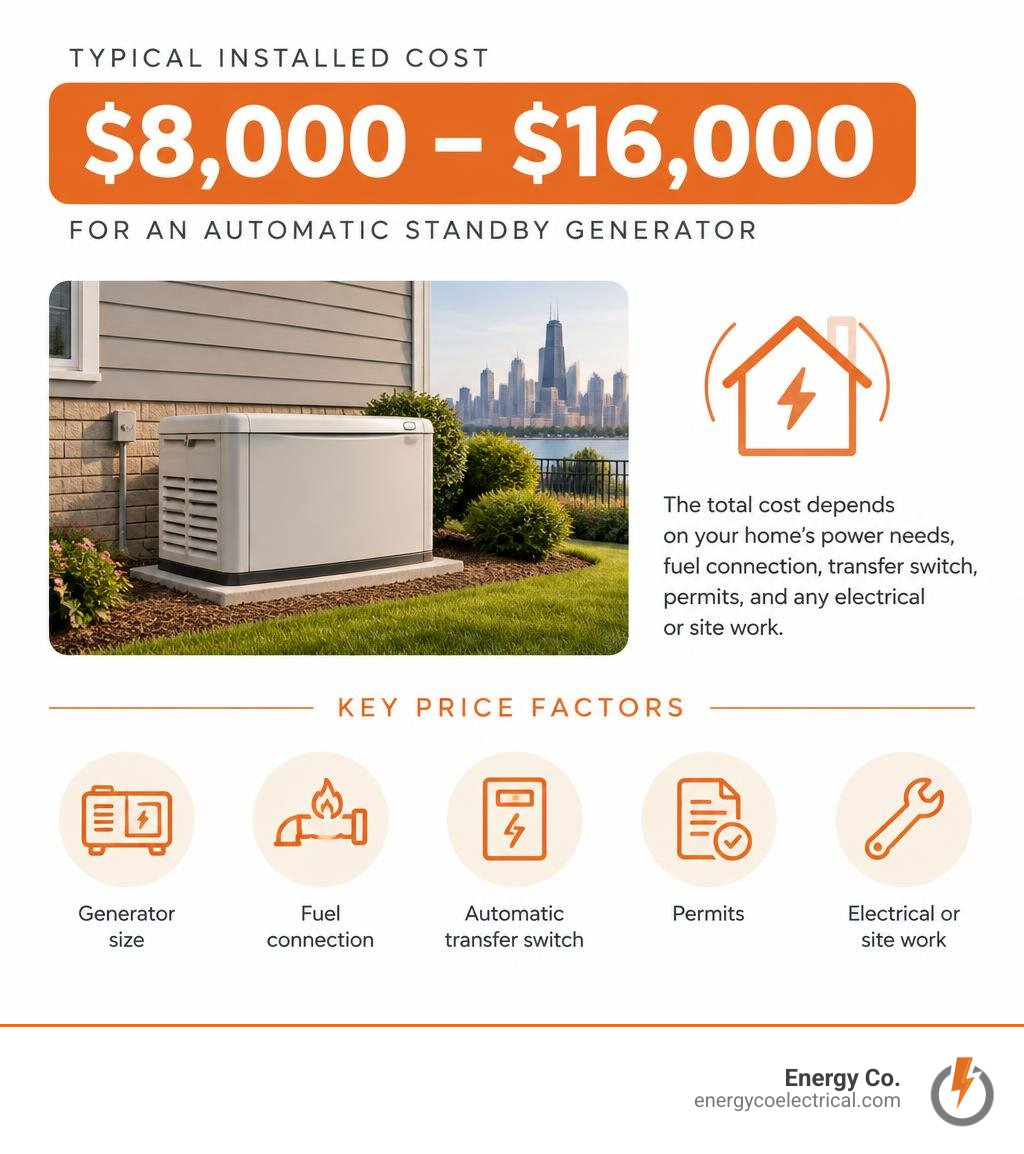
The cost of an automatic standby generator is typically $8,000 to $16,000 installed. A larger unit or a difficult installation can push the total above $20,000. Your quote depends on the power your home needs, the fuel connection, the automatic transfer switch, permits, and any electrical or site work.
In older Chicagoland homes, panel upgrades or a longer gas-line run can add to the bill. Ask for an itemized quote that separates the generator, installation, and ongoing maintenance so you can see what you are paying for.
I’m Michał Napieralski, and I’ll break down those costs so you can plan your project with fewer surprises.
Essential cost of automatic standby generator terms:
- Standby Generator Installation Costs
- Generator Installation for Homes
- Generator Gas Line Installation
What Is the Total Cost of Automatic Standby Generator Installation?
When you evaluate the total investment for a whole-home backup power system, looking only at the retail sticker price on a generator can give you a false sense of security. While the machine itself might sit in the $4,000 to $10,000 range at major retailers, the final turnkey project requires specialized equipment, utility plumbing, and professional electrical labor. On average, turnkey installation projects range between $8,000 and $16,000, with comprehensive setups for estate-style properties running $20,000 or more.
Understanding these pricing dynamics is easier when you explore standby generator costs and options, which clarify how equipment specs interact with on-site labor. Every project breaks down into two core financial categories: the physical hardware (generator unit, transfer switch, mounting pad) and the mechanical/electrical trade labor (running gas lines, pulling municipal permits, installing service disconnects, and conducting safety inspections).
| Generator Capacity (kW) | Typical Home Size / Power Coverage | Equipment-Only Cost | Total Installed Cost Range |
|---|---|---|---|
| 10 kW – 14 kW | 1,200 – 1,800 sq ft (Essential circuits, sump pump, lights, fridge) | $3,800 – $5,200 | $7,500 – $11,000 |
| 18 kW – 22 kW | 1,800 – 2,800 sq ft (Whole-home coverage with central A/C) | $5,500 – $7,200 | $10,000 – $15,000 |
| 24 kW – 26 kW | 2,800 – 4,000+ sq ft (Heavy electrical loads, dual HVAC systems) | $7,000 – $9,500 | $13,000 – $18,500 |
| 30 kW – 48 kW+ (Liquid-Cooled) | Large residential or light commercial facilities | $12,000 – $25,000+ | $20,000 – $35,000+ |
Equipment Pricing by Capacity and Kilowatt Rating
The power output of a standby unit is measured in kilowatts (kW). Sizing your unit correctly ensures that when a storm knocks out the local electrical grid, your furnace blower, refrigeration, medical devices, and sump pumps kick on without stalling the engine.
- Air-Cooled Generators (10 kW to 26 kW): Most suburban single-family homes rely on air-cooled engines. These units use internal fans to circulate air over the engine block. A standard 14 kW to 18 kW unit is ideal for covering essential branch circuits, while modern 22 kW to 26 kW models can handle entire households, including multi-ton air conditioners, by pairing with smart power management modules.
- Liquid-Cooled Generators (30 kW to 60 kW+): Designed for larger homes or light commercial properties with massive power demands, these units operate using an automotive-style radiator and coolant system. They run quieter and survive continuous, heavy-duty duty cycles, but the equipment cost starts around $12,000 and climbs rapidly.
Performing a precise load calculation is critical. An undersized unit will trip its internal breaker under peak starting watts, while an oversized unit burns excess fuel needlessly.
How Fuel Type Influences the Initial Cost of an Automatic Standby Generator
The fuel source you choose dictates both the upfront installation expenses and how reliably the generator functions during winter blizzards.
- Natural Gas (NG): If your home already has natural gas service for heat or cooking, connecting the generator directly to the utility meter is usually the most cost-effective and convenient route. You never have to worry about refueling during a protracted outage. However, your utility meter may require a capacity upgrade to deliver sufficient pressure (measured in water column inches) when the generator starts up under full load.
- Liquid Propane (LP): For properties in outer suburban pockets or rural lots without utility gas, liquid propane is the standard solution. Propane burns cleanly and stores indefinitely without degrading. The added cost lies in the fuel storage infrastructure: purchasing or leasing a 250- to 500-gallon propane tank and having it installed can add $1,500 to $3,500 to your upfront investment.
- Dual-Fuel Systems: Many contemporary residential models feature field-convertible fuel systems, allowing an installer to configure the unit for either natural gas or propane during setup. While dual-fuel flexibility adds immense value if local fuel supplies shift, running on natural gas slightly de-rates the engine’s peak kilowatt output compared to propane because of propane’s higher energy density.
Breaking Down Labor, Electrical, and Site Preparation Expenses
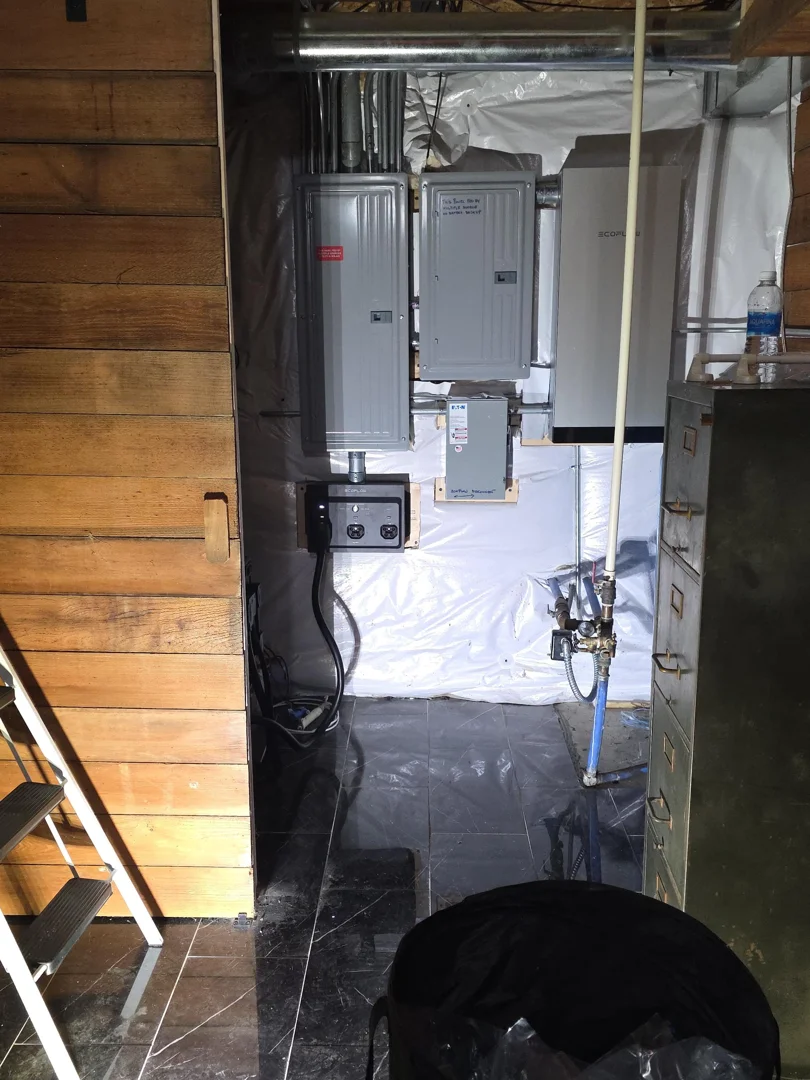
Equipment makes up roughly half of your invoice; the remainder covers professional site preparation, certified trade labor, and local safety compliance. Homeowners can compare generator installation costs to see how physical yard layouts and panel locations change labor estimates.
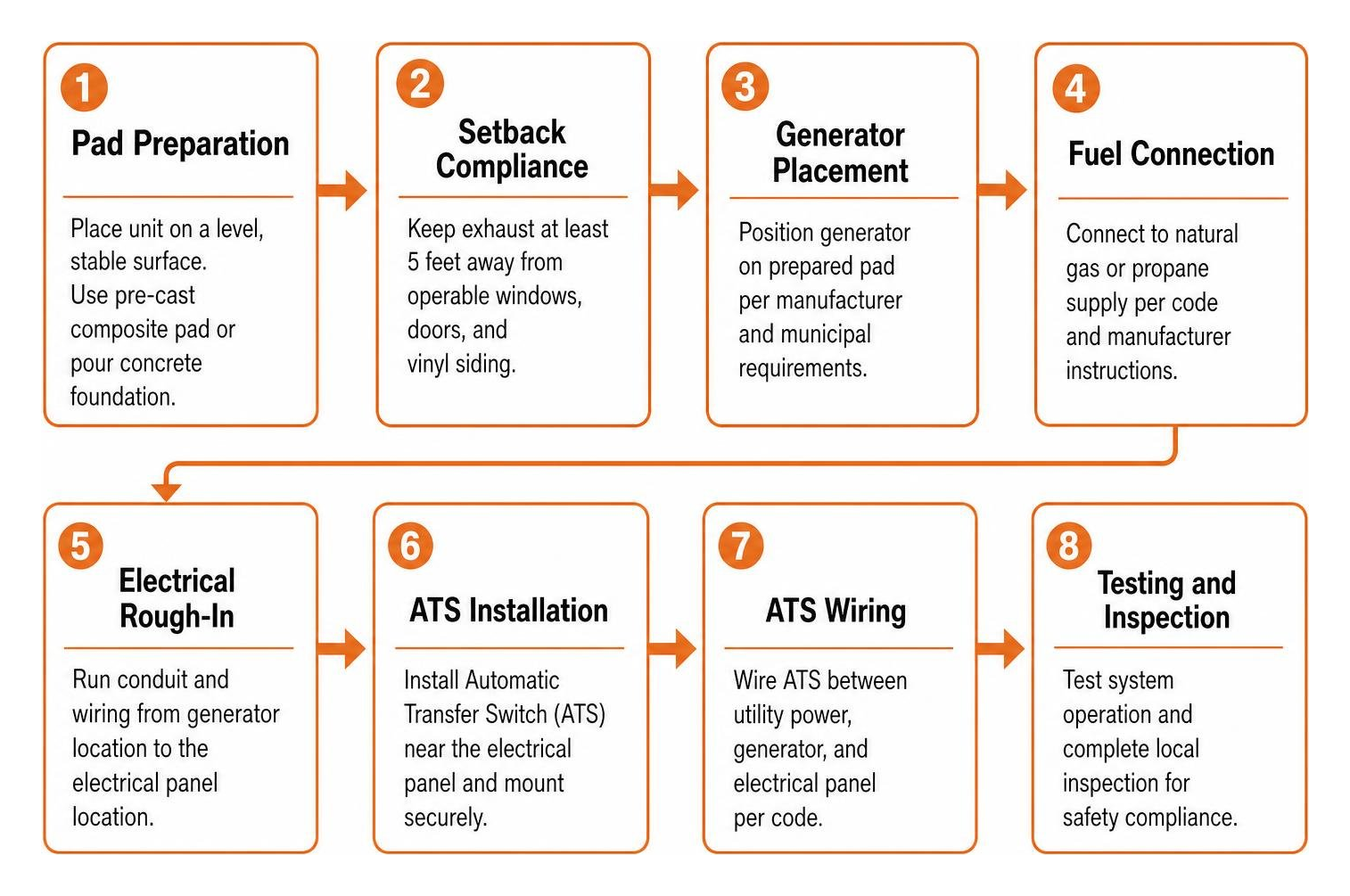
Proper site preparation requires placing the unit on a level, stable surface. Installers commonly use pre-cast composite pads or pour a dedicated concrete foundation. The unit must adhere to clear municipal setback regulations—typically keeping the exhaust at least 5 feet away from operable windows, doors, and vinyl siding to prevent carbon monoxide infiltration and thermal damage.
Automatic Transfer Switch and Electrical Panel Upgrades
The Automatic Transfer Switch (ATS) acts as the brain of your standby power system. When the utility grid fails, the ATS senses the voltage drop, signals the generator to start, and safely switches your electrical panel from utility power to generator power in about 10 to 20 seconds.
Upgrading service hardware and panel wiring is an integral part of the job. You can review real-world standby generator expenses to understand how electrical complexity affects final labor fees. In older residences—such as those found throughout Cook County with legacy 100-amp service—the electrical panel may lack the physical capacity or safety ratings required for an ATS connection. Upgrading to a modern 200-amp service panel or installing a dedicated subpanel for essential circuits adds $1,500 to $3,000 to the total scope of work.
Gas Line Installation, Permitting, and Municipal Inspection Costs
Plumbing the fuel line requires a licensed professional who understands volume, pressure, and pipe sizing. Running rigid black iron pipe or coated flexible gas line from the meter to the generator location costs between $15 and $25 per linear foot. If the generator is positioned on the opposite side of the home from the gas meter, trenching across the yard and running long pipe runs can add $1,000 to $2,500.
Additionally, municipal building codes require permits for both the electrical and mechanical alterations. In Chicagoland communities like Schaumburg, Palatine, or Arlington Heights, permit fees and mandatory post-installation municipal inspections generally range from $250 to $700. These inspections ensure your gas lines are pressure-tested and your transfer switch won’t backfeed power into the electrical grid, which protects utility lineworkers.
Ongoing Maintenance, Fuel Consumption, and Total Cost of Ownership
To accurately budget for backup power over a 15-to-30-year operational lifespan, you must consider routine service, consumable parts, and fuel consumption.
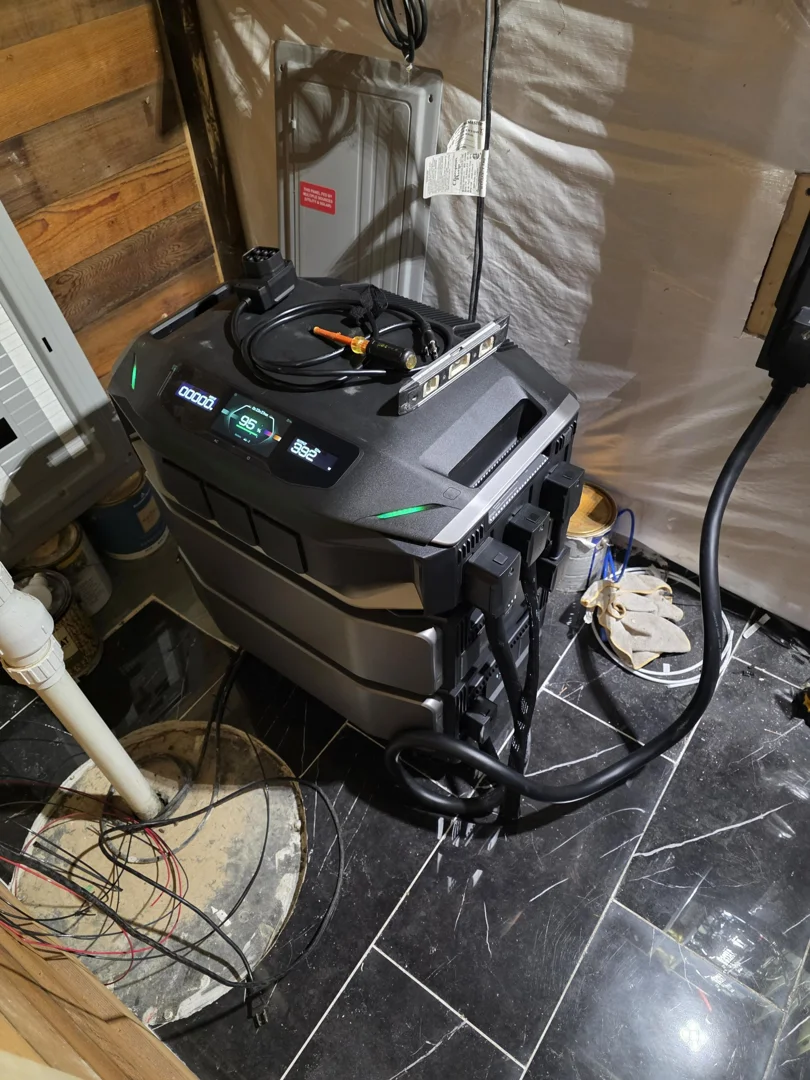
Annual Upkeep and the Long-Term Cost of an Automatic Standby Generator
Just like a car engine, an emergency generator requires clean oil, fresh filters, and a healthy starting battery. Budgeting for ongoing upkeep prevents unexpected failures when severe weather strikes.
- Annual Service Visits ($200 – $450/year): A yearly maintenance visit includes draining and refilling synthetic oil, replacing oil and air filters, inspecting spark plugs, clearing debris from air intakes, and testing transfer switch response times.
- Starting Battery Replacement ($100 – $200 every 3–4 years): The 12-volt battery keeps the engine’s starter ready to fire up. Proactive replacement avoids sudden starting failures during freezing winter temperatures.
- Remote Cellular Monitoring ($50 – $120/year): Most modern units come equipped with wireless communication modules that send real-time alerts to your smartphone or servicing contractor regarding weekly self-test results, battery voltage, and maintenance alerts.
Fuel Consumption Rates During Extended Outages
Operating costs during an active blackout depend directly on electrical load and current local utility rates.
- Natural Gas: A typical 22 kW generator running at 50% electrical load consumes roughly 180 to 220 cubic feet per hour (about 1.8 to 2.2 therms/hour). At standard natural gas rates, continuous operation costs approximately $1.75 to $3.00 per hour, or roughly $42 to $72 per 24 hours of non-stop runtime.
- Liquid Propane: At half load, the same 22 kW unit burns between 2.0 and 2.5 gallons of propane per hour. Depending on seasonal LP delivery prices, running your system on propane ranges from $4.50 to $7.50 per hour ($108 to $180 per full day).
Financial Return: Property Resale Value, Insurance Discounts, and Financing
While installing a standby generator represents a significant upfront capital expenditure, it provides tangible financial and safety returns.
- Property Value and Resale Appeal: Real estate market data shows that a permanently installed standby generator typically increases home resale value by 3% to 5%. In areas prone to storm-related outages or winter deep freezes, prospective homebuyers actively seek properties equipped with turnkey backup power.
- Homeowners Insurance Discounts: Power blackouts frequently cause secondary home disasters, such as failed sump pumps leading to flooded basements or frozen pipes bursting during mid-winter outages. Because an automatic generator eliminates these risks, many insurance providers offer annual policy premium discounts of 5% to 10%.
- Financing and Monthly Payment Structures: Many homeowners choose to finance their generator installation through specialized home improvement loan programs. Spreading an initial $12,000 project across a 60- to 84-month term with competitive interest rates typically yields monthly payments between $160 and $220, making whole-home peace of mind accessible within standard household budgets.
Frequently Asked Questions About Standby Generator Costs
What is the average total cost to install a whole-house standby generator?
The average turnkey installation cost for a residential standby generator falls between $8,000 and $16,000. This encompasses the generator unit, automatic transfer switch, electrical wiring, gas line plumbing, municipal permits, and professional installation by licensed trade specialists.
Does installing a backup generator add value to a home?
Yes. Installing an automatic standby generator generally increases a property’s market value by 3% to 5%. Beyond raw appraisal value, it provides a distinct marketing advantage, attracting buyers who prioritize electrical grid independence and emergency preparedness.
How much does it cost to run a standby generator during a multi-day blackout?
Running an average 20 kW to 24 kW generator on natural gas costs roughly $40 to $75 per 24-hour period, depending on local gas utility tariffs. Propane-fueled models cost slightly more, averaging $100 to $180 per day of continuous half-load operation.
Conclusion
A whole-home automatic backup generator is more than an appliance; it is an integrated infrastructure upgrade that safeguards your family, your plumbing, and your daily comfort whenever the municipal grid goes dark. Navigating equipment sizing, fuel pressure, transfer switch requirements, and local building codes is essential for keeping your project on time and within budget.
At Energy Co., our licensed electricians bring specialized expertise to residential and commercial properties throughout Chicago, Schaumburg, Hoffman Estates, Palatine, Arlington Heights, and across Cook County. We take the guesswork out of backup power by delivering transparent, itemized estimates and precision installations.
Contact our team today to schedule your comprehensive site evaluation and secure professional generator installation tailored to your home’s unique power needs.