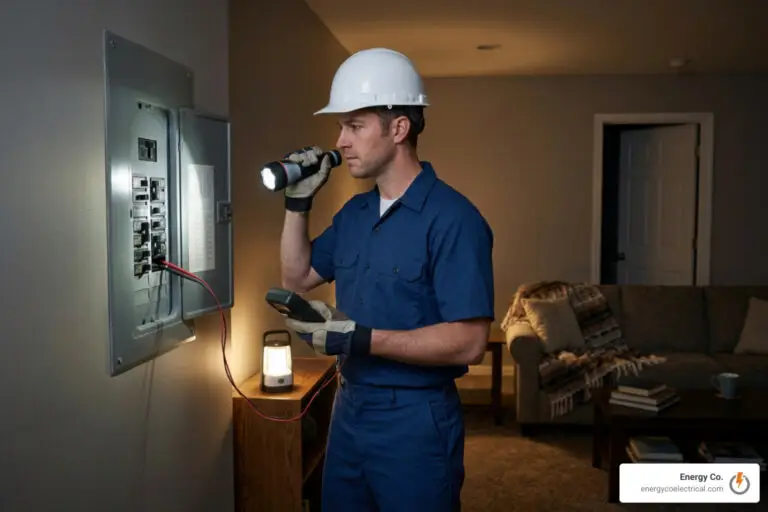
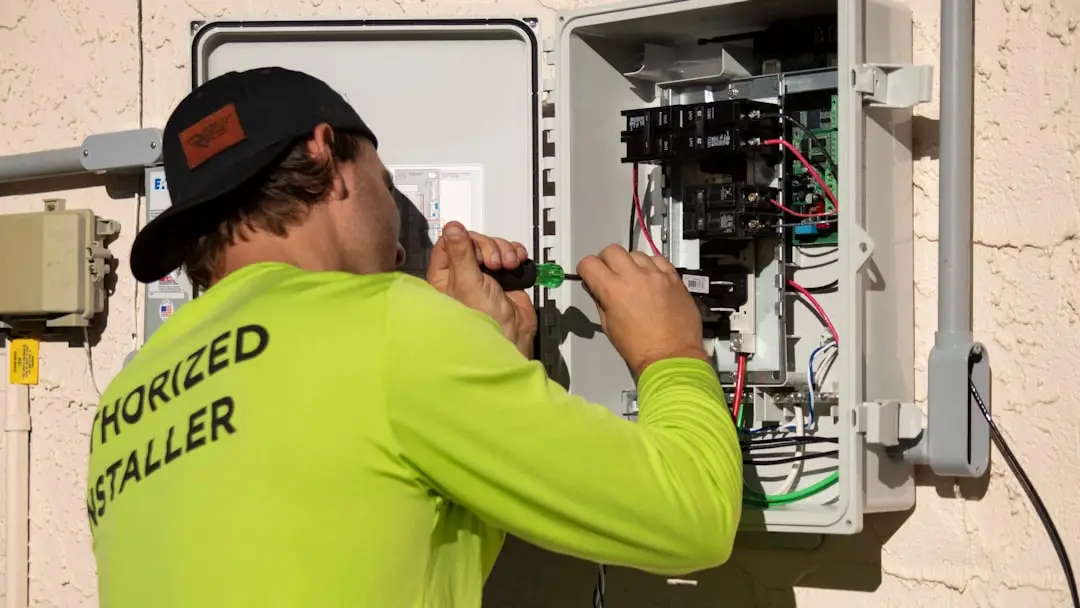
Why Electrical Installation and Maintenance Jobs Are One of the Best Trades Careers Right Now
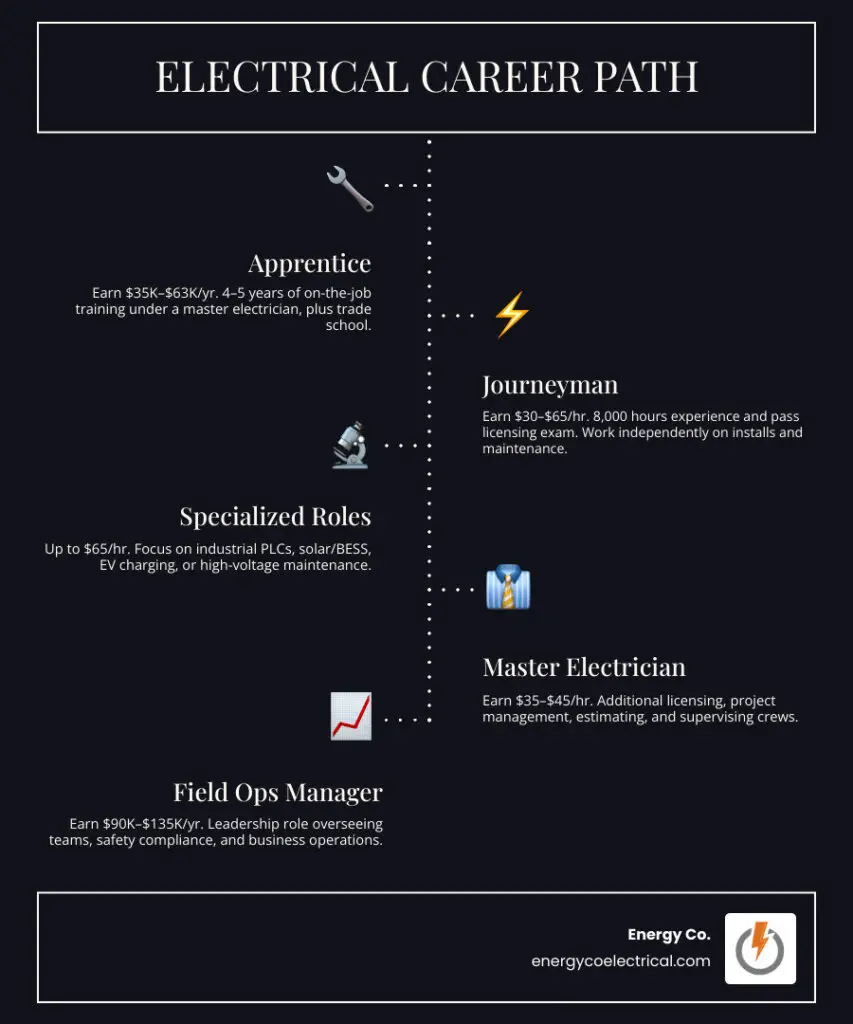
Electrical installation and maintenance jobs are in high demand — and the pay reflects it. Here’s a quick look at what you can expect:
| Role | Typical Pay Range |
|---|---|
| Apprentice Electrician | $35,000 – $63,000/year |
| Journeyman Electrician | $30 – $65/hour |
| Master Electrician | $35 – $45/hour |
| Specialized/Industrial | Up to $65/hour |
| Field Operations Manager | $90,000 – $135,000/year |
The electrical trade is growing fast — and there aren’t enough skilled workers to fill the open roles. That gap means higher wages, stronger job security, and real career advancement for people who enter the field today.
Table of Contents
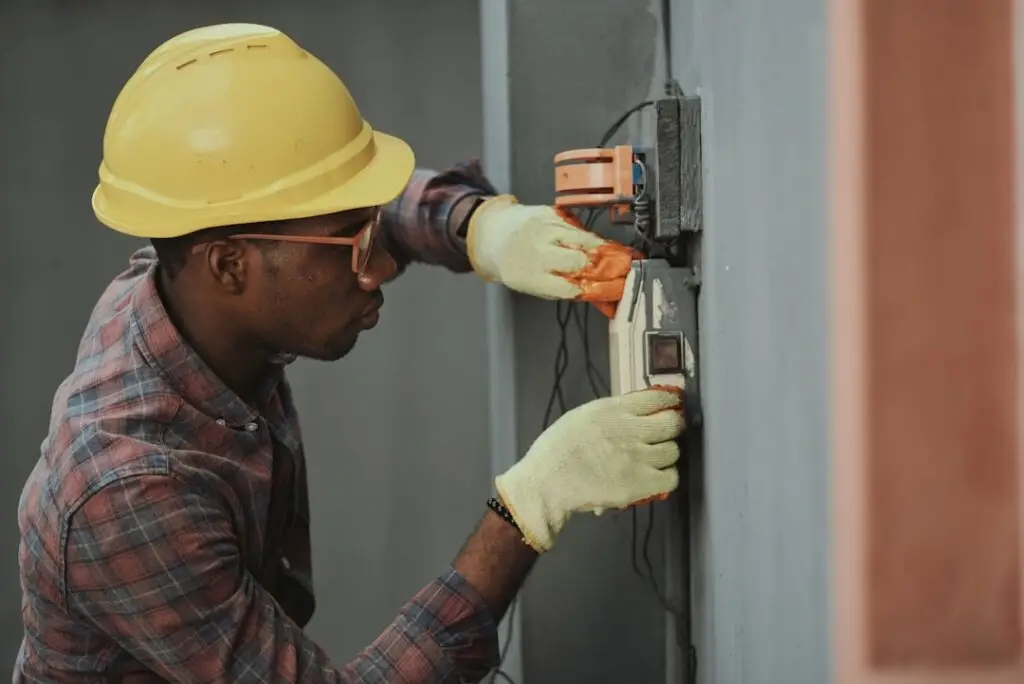
Whether you’re just starting out as an apprentice or you’re an experienced journeyman eyeing a master license, this guide covers everything: job types, salary ranges, required certifications, and how to move up the ladder.
I’m Michał Napieralski, a licensed electrician and the founder of Energy Co., serving the Chicago suburbs with residential and commercial electrical installation and maintenance work across Schaumburg and the surrounding area. My hands-on experience across panel upgrades, service calls, and commercial maintenance gives me a practical view of exactly what employers and clients look for in this trade.
Basic electrical installation and maintenance jobs vocab:
- basic electrical installation work
- electrical installation
- electrical installation and maintenance book
The Landscape of Electrical Installation and Maintenance Jobs
The electrical field is incredibly diverse, offering pathways that suit different interests, technical skills, and lifestyle preferences. From working inside local homes to managing heavy machinery in massive industrial plants, the trade is far from a one-size-fits-all career. Understanding the different sectors is the first step to finding the right fit for your skills.
When you look at the industry as a whole, jobs generally fall into a few key categories: residential, commercial, industrial, and green energy. Each sector requires a distinct set of tools, knowledge of specific codes, and different physical working environments.
For those looking to build a career, getting a solid grip on the fundamentals is essential. You can explore how these elements come together in our A Practical Guide to Electrical Installation and learn more about larger systems in The Complete Guide to Commercial Wiring.
Residential Electrical Installation and Maintenance Jobs
Residential work is all about keeping homes safe, powered, and efficient. As a residential electrician, your day-to-day tasks involve installing branch circuits, mounting light fixtures, upgrading older electrical panels, and troubleshooting mysterious flickering lights.
It is a highly interactive path. You are frequently inside people’s homes, which means customer service, clean work habits, and clear communication are just as important as your wire strippers. Typical projects include:
- Rewiring older homes to meet modern safety standards.
- Diagnosing issues with outlets, switches, and circuit breakers.
- Installing smart home systems, EV chargers, and modern lighting.
For a deeper dive into the specific systems used in homes, check out A Complete Guide to Residential Wiring Types and Installation.
Commercial and Industrial Electrical Maintenance Roles
If you prefer working on a larger scale, commercial and industrial roles offer a completely different environment. Commercial electricians work in offices, retail spaces, schools, and hospitals. These systems rely heavily on complex conduit networks, three-phase power distribution, and sophisticated lighting control systems.
Industrial electrical maintenance, on the other hand, takes place in manufacturing plants, processing facilities, and utility stations. In these settings, you will work with Programmable Logic Controllers (PLCs), heavy-duty relays, motors, and high-voltage machinery. The focus here is on Planned Preventative Maintenance (PPM) to avoid costly operational downtime.
If you are interested in how heavy-duty systems are kept online, you can read more about our specialized Industrial Electrical Services.
For those who enjoy a unique lifestyle and high-intensity environments, some industrial roles even offer extreme travel or specialized schedules. For instance, remote industrial operations often utilize rotational structures where technicians work long, concentrated hours for a few weeks followed by equal time off, as seen in positions like the Maintenance Electrician, Facility Technician (Rotational Schedule).
Career Progression: From Apprentice to Master Electrician
One of the greatest benefits of the electrical trade is its clear, structured career ladder. You don’t have to guess how to get a promotion or earn a higher wage; the path is paved with documented work hours, classroom education, and state or local licensing exams.
This progression ensures that as your responsibility and technical knowledge increase, your compensation rises to match it. Let’s look at how the roles compare:
| Career Level | Supervision Required | Key Responsibilities | Focus Areas |
|---|---|---|---|
| Apprentice | High (Must work under a Journeyman/Master) | Running conduit, pulling wire, basic installations, learning codes | Safety, hand tools, basic circuitry |
| Journeyman | Low (Can work independently on site) | Troubleshooting, system installations, reading blueprints, mentoring | NEC compliance, testing, efficiency |
| Master | None (Can run projects and pull permits) | Designing systems, project management, estimating, business operations | Code mastery, leadership, safety compliance |
Apprentice Electrician: Learning the Trade
Every great electrician starts as an apprentice. This phase is a blend of classroom instruction and hands-on, supervised field experience. As an apprentice, you will assist journey-level pros with installing conduit, mounting electrical boxes, and pulling miles of wire.
It is physically demanding but incredibly rewarding. You will quickly learn how to use mechanical benders, multimeters, and power tools safely. To understand what to expect during this foundational stage, read our guide on Mastering the Basics of Electrical Installation Work.
Journeyman Electrician: Working Independently
After completing your apprenticeship — which typically requires around 8,000 hours of documented, supervised work (about four to five years) — you become eligible to take your Journeyman exam.
Passing this exam unlocks the ability to work independently without direct supervision. As a Journeyman, you will take on complex troubleshooting tasks, interpret detailed blueprints, and oversee apprentices on the job site. You might also specialize in cutting-edge fields like Battery Energy Storage Systems (BESS) or commercial maintenance.
To see how these professional duties are structured in commercial settings, you can review the responsibilities outlined for an Electrical Installation Engineer & PPM Engineer.
Master Electrician: Leadership and Supervision
The pinnacle of the field career path is the Master Electrician. Achieving this status requires several years of experience as a licensed Journeyman and passing a rigorous exam focused on advanced electrical theory, business law, and deep National Electrical Code (NEC) compliance.
Master Electricians are qualified to run entire projects, manage companies, obtain permits, and design complex electrical systems. They often transition into supervisory, estimating, or project management roles. At Energy Co., our Master-led teams ensure every project meets the highest standards. You can learn more about how we structure our projects by viewing Our Services.
Salary Expectations and Compensation Packages
Money talks, and in the electrical trade, it speaks very highly of those who put in the work. Because of the nationwide shortage of skilled tradespeople, compensation packages for electrical installation and maintenance jobs are highly competitive.
Your earning potential is directly tied to your experience level, your geographic location, and any technical specializations you hold.
Average Wages for Electrical Installation and Maintenance Jobs
Wages in the electrical industry are robust across the board. While entry-level apprentices start with a solid living wage, licensed professionals can earn exceptional hourly rates or annual salaries.
Here is a breakdown of average hourly and annual rates seen across various specializations and roles in the market today:
- Apprentice Electricians: $35,000 to $63,000 per year, depending on their year of apprenticeship.
- Residential Service Electricians: $25.00 to $40.00 per hour, with specialized residential installers in high-demand suburbs earning up to $58.00 per hour.
- Journeyman Electricians (Commercial/Industrial): $30.00 to $45.00 per hour, with some advanced civil construction leads earning up to $65.00 per hour.
- Specialized BESS/EV Charging Technicians: $40.00 to $42.00 per hour.
- Field Operations Managers: $90,000 to $135,000 per year.
While localized markets like Chicago and Cook County offer highly competitive union and non-union rates that reflect our high cost of living and strict local building codes, these numbers show that no matter where you are, the trade pays well.
Employee Benefits and Perks in the Electrical Trade
Hourly pay is only one part of the equation. Because employers are eager to attract and retain top talent, they frequently offer comprehensive benefits packages.
Common perks in the electrical industry include:
- Retirement Plans: 401(k) matching programs (often up to 8% in public or high-end industrial roles).
- Healthcare: Full medical, dental, and vision insurance for you and your family.
- Paid Time Off (PTO): Paid vacation days, holidays, and sick leave.
- Company Vehicle & Fuel Card: For service technicians and managers, saving thousands of dollars in personal commuting costs.
- Fully Funded Training: Many employers pay for your continuing education, exam prep, and specialized safety certifications.
For those in field service roles, travel allowances and overtime pay can also significantly boost your take-home earnings. You can explore how these perks are integrated into mobile careers by looking at the details for a Traveling Electrical Installer.
Essential Skills, Certifications, and Safety Standards
To build a successful, long-term career in electrical installation and maintenance, you need more than just a pair of pliers. You must combine technical expertise with a deep commitment to workplace safety and regulatory compliance.
Required Licenses and Certifications
Licensing requirements vary depending on your location, but having recognized certifications makes you incredibly valuable to employers.
Key credentials to look out for include:
- State or Municipal Journeyman/Master Licenses: The gold standard for independent work.
- Testing & Inspection Certifications: Demonstrates your ability to verify that installations are safe and fully compliant before they are energized.
- Specialized Role Certifications: Credentials that allow you to act as an approved supervisor or authorized person for high-voltage and low-voltage systems.
To see how advanced technical certifications can fast-track your career into high-paying supervisory positions, check out the career pathway described for an Electrical Maintenance Technician – AP Electrical & QS Development.
Safety Regulations and Compliance
Safety isn’t just a rule in the electrical trade — it is a lifesaver. Working with electricity carries inherent risks, which is why professional electricians must adhere strictly to established safety standards.
The most critical safety frameworks include:
- OSHA Standards: Covering general construction safety, fall protection, and personal protective equipment (PPE).
- National Electrical Code (NEC): The benchmark for safe electrical design and installation.
- NFPA 70E: The standard for electrical safety in the workplace, which outlines safe work practices, arc flash boundaries, and Lockout/Tagout (LOTO) procedures.
Adhering to these standards ensures that you, your team, and the building’s occupants remain safe. If you are just starting out and want to learn the absolute basics of safety and simple repairs, read our guide on Electrical Repairs Dos and Donts for Beginners.
Frequently Asked Questions about Electrical Careers
What is the difference between an apprentice and a journeyman electrician?
An apprentice is a learner who must work under the direct supervision of a licensed Journeyman or Master Electrician. They are accumulating the classroom hours and practical on-the-job experience required to take their licensing exam. A Journeyman has passed this exam, can work independently without supervision, and can install and troubleshoot complex systems on their own.
What safety certifications are most important for electrical maintenance jobs?
The two most critical safety certifications are the OSHA 30-Hour Construction Safety Certification and NFPA 70E Training. OSHA 30 provides a broad understanding of job site hazards, while NFPA 70E focuses specifically on protecting workers from electrical hazards like arc flashes and shocks through proper PPE and Lockout/Tagout protocols.
How much travel is required for field service electrical roles?
Travel requirements depend heavily on the job type. Local residential and commercial service electricians usually travel within a specific metropolitan area (like the Chicago suburbs) and return home every night. However, specialized industrial automation installers or traveling technicians may travel up to 90% of the time, working across various regional facilities.
Some public sector or municipal roles offer incredible local stability with alternative schedules, such as four 10-hour workdays, as seen in positions like the Tech Lead Maintenance – Electrical.
Conclusion
The job market for electrical installation and maintenance jobs is brighter than ever. With excellent wages, clear pathways for career advancement, and a massive demand for skilled professionals, there has never been a better time to join the trade.
Whether you want to work on residential upgrades, manage complex industrial PLCs, or lead commercial projects, your skills will always be in demand.
At Energy Co., we are proud to power Chicagoland — from Schaumburg and Palatine to Cicero and the heart of Chicago. We know the value of having a skilled, licensed team of professionals on the job. If you are looking to hire a team of trusted experts, or if you simply want to learn more about how reliable power systems are built and maintained, explore our Top-Rated Electrical Installation Service in Chicago Your Guide to Reliable Power.